
Plants
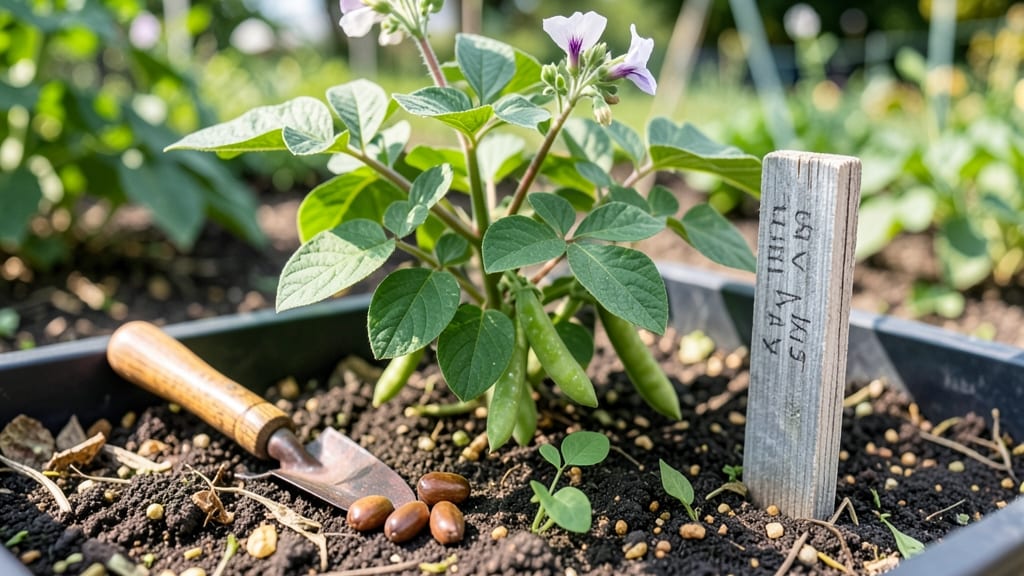
Planting beans in Virginia at the wrong time can turn your 🌱 dreams into a sad, wilted mess—especially when those warm spring nights meet last frost surprises.
The key to a thriving harvest lies in timing: too early, and frost will nip your seedlings; too late, and summer heat might stress your plants before they even get started.
For Virginia gardeners in zones 7a-8a, the ideal window opens around April 15 and stretches through May 15, once soil hits 60°F and the danger of frost has passed.
But here's the catch: bush beans and pole beans have different patience levels, and microclimates—like the cooler mountain air in Roanoke or the humidity near Norfolk—can shift those dates.
I’ve learned the hard way that rushing beans into cold soil or ignoring local weather quirks means fewer pods and more frustration. What you’ll find here are the exact dates, soil checks, and variety-specific tips to maximize your harvest from July through September—no guesswork, just Virginia-proven results.
Whether you’re a first-time gardener or a seasoned grower adjusting for 2024’s unpredictable spring, these insights will help you avoid common pitfalls and get the most out of your bean patch. Let’s turn those seeds into a harvest you’ll actually want to eat.
Virginia’s frost-free planting zones for beans by variety type
Virginia’s diverse climate—from coastal humidity to mountain chill—means your bean planting timeline should vary by USDA zone and variety type. Most gardeners in zones 5a-8a can grow beans, but timing is everything. Pole beans thrive in warmer conditions, while bush beans tolerate cooler soils.
Let’s break down the best windows for each region and type.
For spring planting, aim for 2-3 weeks after your last frost date, when soil temperatures hit 60°F or warmer. In Virginia, this typically falls between mid-April and mid-May, but coastal areas like Norfolk may wait until late April.
Mountain regions like Roanoke can start as early as late March if frost risk is low.
Fall planting is also possible in Virginia’s warmer zones (7b-8a), with seeds sown in late July to early August. This gives beans time to mature before first frost, usually hitting by mid-November. However, heat-tolerant varieties like 'Cowpeas' or 'Black-Eyed Peas' perform best in these late-season plantings.
Here’s how to match your bean variety to Virginia’s planting zones and avoid common timing mistakes:
| Variety Type | USDA Zones | Spring Planting Window | Fall Planting Window | Soil Temp Requirement | Notes |
|---|---|---|---|---|---|
| Bush Beans | 5a-8a | April 15 - May 10 | July 20 - August 10 | 55°F+ | Compact, fast-maturing. Ideal for small gardens. |
| Pole Beans | 6a-8a | May 1 - May 25 | August 1 - August 15 | 60°F+ | Vining, heat-loving. Needs trellis support. |
| Heat-Tolerant (e.g., 'Cowpeas') | 7b-8a | April 20 - June 1 | July 1 - August 31 | 65°F+ | Thrives in Virginia’s summer heat. |
| Cool-Season (e.g., 'Wax Beans') | 5a-7a | April 1 - May 5 | N/A (too cold) | 50°F+ | Tolerates cooler soils but needs frost protection. |
If you’re in Virginia’s coastal plain (e.g., Hampton Roads), wait until mid-May for pole beans, as humidity delays soil warming. Conversely, mountain regions (e.g., Shenandoah Valley) can plant bush beans as early as late March if frost risk is minimal.
Always check the Virginia Cooperative Extension frost maps for your county.
For succession planting, sow new seeds every 2-3 weeks after your initial planting to extend your harvest. This works especially well for bush beans, which mature quickly (50-60 days). Pole beans, with their 60-70 day growth cycle, benefit from a single late-May planting in most zones.
Pro tip: Use a soil thermometer to confirm readiness. Beans won’t germinate well in soils below 60°F, even if frost risk is past. If your soil is cold, opt for cool-season varieties or wait a week or two.
Remember, Virginia’s humidity can stress beans, so prioritize well-draining soil and morning watering to prevent fungal issues. With the right timing, you’ll enjoy fresh pods from July through September—or even longer with fall plantings in warmer zones.
How to adjust planting dates based on Virginia’s microclimates
Virginia’s diverse geography—from the coastal humidity of Norfolk to the mountain breezes of Roanoke—means your bean planting dates should shift based on where you live. What works in Richmond’s Piedmont might fail in Blacksburg’s high-altitude gardens.
I’ve seen beans thrive in April in the Tidewater region while struggling in May just 100 miles inland.
The key is adjusting for soil warmth, local frost patterns, and humidity levels. Coastal areas warm up faster in spring, while mountain zones stay cooler longer.
Even within the same city, a south-facing garden might be ready weeks before a shaded spot. Use these adjustments to sync your planting with your microclimate’s rhythm.
🌱
For real-time adjustments, check the Virginia Cooperative Extension’s frost maps or local weather stations. I once planted beans in April in Lynchburg only to see them killed by a late frost—until I learned to wait for May 1 there. Your microclimate holds the secret to avoiding that mistake.
Pro tip: If your garden has shaded spots, plant bush beans there—they tolerate partial shade better than pole beans. And always keep an eye on humidity forecasts: high humidity can delay flowering, so adjust watering to keep soil evenly moist but not soggy.
🌿