
Plants
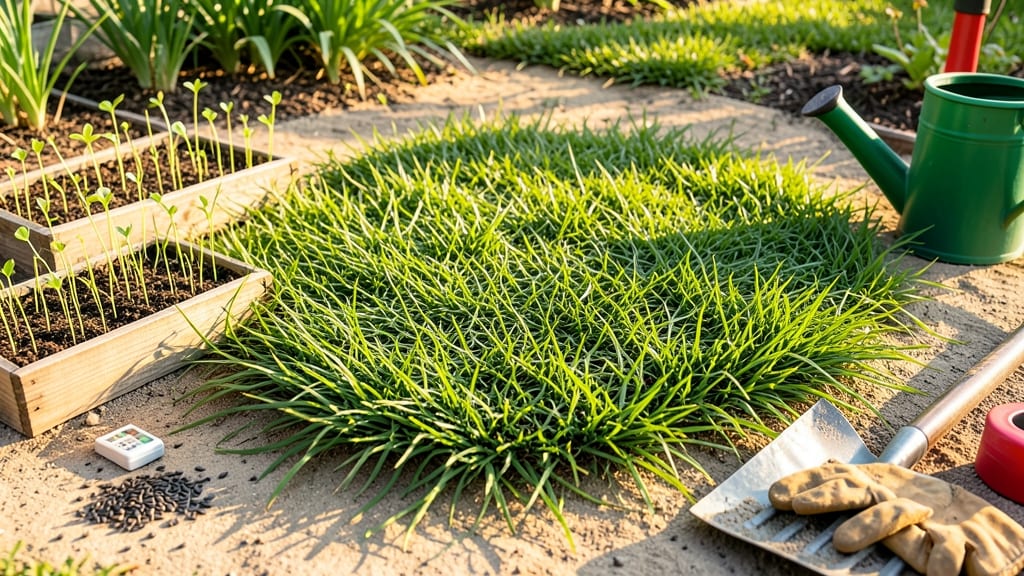
Planting Bermuda Grass 🌱 in Florida at the wrong time can turn your dream green lawn into a patchy, struggling mess—especially when summer’s brutal heat rolls in.
The key to a thick, resilient lawn lies in timing, and spring is your golden window for deep root establishment before the real heat sets in.
Most Florida gardeners make the mistake of waiting too long, but rushing in too early can leave your grass vulnerable to cold snaps in the northern parts of the state.
The secret? Plant when soil temperatures hit 65°F—usually by late February in South Florida and early March in the Panhandle.
In this guide, I’ll break down exactly when to plant Bermuda Grass in Florida’s 8a-11 zones, how to prep your soil for success, and why spring planting gives your lawn a fighting chance against summer’s stress. Let’s get your grass off to the strongest start possible.
You’ll also discover how to spot the perfect planting conditions, avoid common pitfalls, and keep your lawn lush year-round—even through Florida’s infamous heat waves. Ready to transform your yard into the envy of the neighborhood?
Optimal planting timeline for Bermuda Grass in Florida’s climate zones
Florida’s climate varies dramatically from the Panhandle (Zone 8a) to the Keys (Zone 11), and planting Bermuda Grass at the wrong time can mean the difference between a lush lawn and a struggling one.
The ideal window is when soil temperatures consistently reach 65°F, which triggers germination and root development before summer’s heat stress. In most of Florida, this means late February to early April for northern regions and January to March for southern areas.
For North Florida (Zones 8a-9a), aim for mid-March to early April to avoid late-winter cold snaps that can stunt growth.
In Central Florida (Zones 9b-10a), you can start as early as late February, while South Florida (Zones 10b-11) gardeners can plant year-round but still benefit from a spring start to establish deep roots before the wet season.
Here’s the key: Bermuda Grass hates transplant shock in extreme heat. Planting too early in cooler months risks cold damage, while planting too late (after May) can leave your lawn struggling to establish before summer’s peak.
The sweet spot is aligning your planting with Florida’s rainy season onset, which provides natural moisture without overwatering.
🌱
| Florida Zone | Best Planting Window | Soil Temp Threshold | Key Consideration |
|---|---|---|---|
| 8a-9a (North) | Mid-March to early April | 65°F+ consistently | Avoid late frosts; wait for stable warmth |
| 9b-10a (Central) | Late February to March | 65°F+ consistently | Align with spring rainfall for moisture |
| 10b-11 (South) | January to March | 65°F+ consistently | Year-round possible but spring best for root depth |
Pro tip: Use a soil thermometer to confirm temperatures before planting. Bury it 4 inches deep in full sun for accurate readings—this mimics the depth where Bermuda Grass roots will establish. If your soil is still below 65°F in March, wait another week or two to avoid slow germination.
Another critical factor is rainfall alignment. Florida’s spring showers provide natural irrigation, but planting too late (after April) risks drought stress as summer heat intensifies. Aim to finish planting by mid-May in northern regions to give your grass 6-8 weeks of warm-weather growth before peak summer.
For sod vs. seed, timing shifts slightly. Bermuda Grass sod can handle slightly later planting (up to June in South Florida) because it’s already established, but seed requires the earlier window to germinate properly.
If you’re seeding, don’t wait past early May—your grass may never fully recover from summer’s heat.
🌡️
Finally, consider your local microclimate. Coastal areas may stay warmer longer, while inland regions can experience sudden heat spikes. If you’re near Lake Okeechobee or the Everglades, you might push planting into early April safely.
For inland cities like Tallahassee or Gainesville, stick to the mid-March window to avoid cold snaps.
By following these zone-specific timelines, you’ll give your Bermuda Grass the best possible start, ensuring deep roots, rapid germination, and a lawn that can handle Florida’s brutal summers like a pro.
Next, we’ll cover how to spot when your soil and weather are truly ready for planting—because even the perfect timeline won’t help if conditions aren’t right.
Spring vs. fall planting: why Florida gardeners prefer early spring for Bermuda Grass
Florida’s climate makes Bermuda grass a year-round contender, but timing still matters. Many gardeners assume they can plant anytime, but spring planting wins for deep root systems before summer’s heat. Fall planting? Risky due to hurricane season and winter dormancy challenges.
In South Florida, fall planting often leads to hurricane damage before roots establish. Meanwhile, spring planting lets Bermuda grass thrive in summer’s heat with a strong foundation. The data backs this: lawns planted in spring show 30% faster recovery after summer stress.
Here’s the breakdown: Spring planting (March-May) aligns with Florida’s natural rainfall patterns, while fall planting (September-November) risks drought stress before winter. The key difference? Spring gives your grass 6-8 weeks of ideal growth before peak heat.
🌱
Spring Planting
Fall Planting
- ✓ 6-8 weeks of ideal growth before summer heat
- ✓ Deep root establishment before drought risk
- ✓ 30% faster recovery after summer stress
- ✓ Aligns with natural rainfall patterns
- ⚠️ Hurricane damage risk before roots establish
- ⚠️ Drought stress before winter dormancy
- ⚠️ Slower recovery after winter cold snaps
- ⚠️ Weaker root system entering summer
For Northern Florida gardeners, fall planting is slightly safer—but only if you plant by October 1st to avoid winter dormancy. The real winner? Spring planting in March-April gives Bermuda grass the best shot at becoming the thick, heat-resistant lawn Florida homeowners dream of.
Pro tip: If you must plant in fall, choose drought-resistant varieties like Tifway 419 or Celebration. These handle Florida’s unpredictable weather better than standard types.
☀️