
Plants
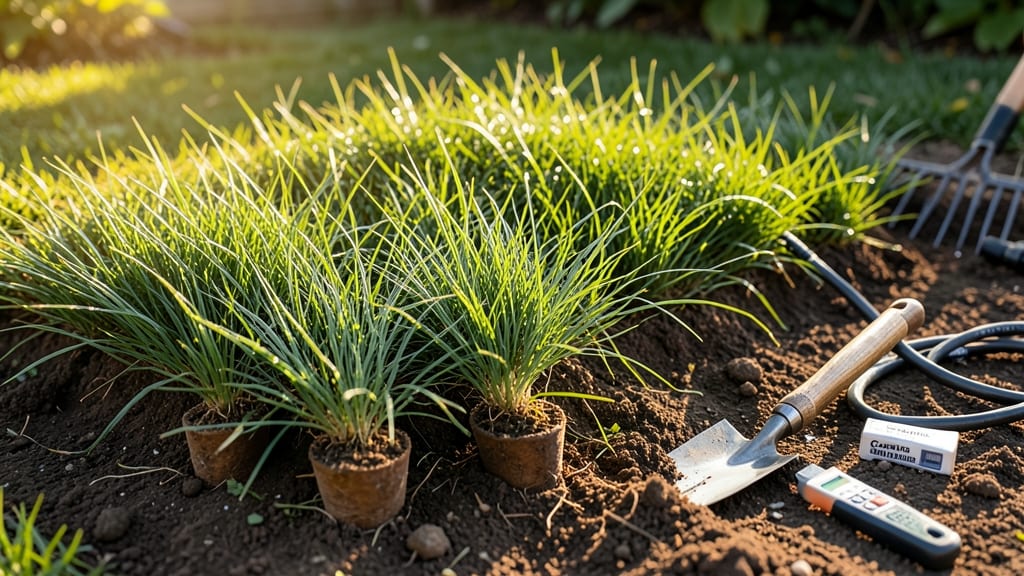
Planting Bermuda grass 🌱 in Virginia at the wrong time can mean the difference between a lush, green lawn and a patchy, struggling mess.
The key isn’t just picking a month—it’s waiting for soil temperatures to hit that sweet spot of 65°F or higher, which typically lands you in late spring to early summer.
If you’ve ever watched your grass struggle to take root or wither under Virginia’s unpredictable swings from frost to heat, you know timing matters.
The 6a-8a zones across the state mean your neighbors’ success stories might not apply to you—so let’s break down the exact windows that work for your specific corner of Virginia.
From the Piedmont’s warmer microclimates to the Tidewater’s humidity, I’ll show you how to align your planting schedule with your local conditions. No more guessing whether April or June is better—just data-driven decisions to get your Bermuda grass off to the strongest start.
Ready to transform your lawn? Let’s dive into the optimal planting windows, soil prep secrets, and heat zone strategies that’ll have your grass thriving by summer’s end.
Best planting windows for Bermuda grass in Virginia by region (2024 guide)
Virginia’s diverse climate—from the cooler Shenandoah Valley to the humid Tidewater region—means Bermuda grass planting windows vary dramatically. For USDA zones 6a-8a, the ideal planting window spans late April to early June, but microclimates demand precision.
Northern Virginia (Zone 6a-7a) should aim for late May, while southern Virginia (Zone 7b-8a) can start as early as mid-April.
Bermuda grass thrives in warm soil temperatures (65°F+), so rushing planting before last frost (average March 15) risks frost damage. In Zone 7a (e.g., Richmond), wait until soil hits 60°F—use a soil thermometer for accuracy.
Southern regions like Norfolk (Zone 8a) can plant 2-3 weeks earlier due to milder winters.
Here’s how Virginia’s three key regions differ in timing:
For sod vs. seed, timing shifts slightly. Sod can be laid 2 weeks earlier (April) because it establishes faster, while seed needs warmer soil (65°F+) to germinate reliably. In Zone 7a, seed planted in late May will outperform seed sown in April due to frost risks.
Adjust for microclimates: South-facing slopes warm faster, allowing earlier planting by 1-2 weeks. Shaded areas or valleys may need delayed planting until June. Always monitor 7-day forecasts for unseasonable cold snaps, which can stall germination.
Pro tip: Use black plastic mulch in northern Virginia to raise soil temps by 5-10°F, extending the planting window. Remove mulch once grass reaches 3-4 inches tall to avoid heat stress.
If you miss the spring window, fall overseeding (late August) is possible in Zone 7b+, but Bermuda grass goes dormant by October, limiting success. Prioritize spring planting for full-season coverage.
🌱
Soil temperature & heat Zone requirements for Bermuda grass success
Bermuda grass thrives in Virginia’s warm climate, but soil temperature is the #1 factor for successful germination. Aim for 65°F (18°C) or higher—anything below 50°F (10°C) will stall growth.
In Virginia’s heat zones 7-8, this typically aligns with late April to early June, but microclimates like the Piedmont may need adjustments.
Use a soil thermometer to verify temperatures before planting. Most Virginia regions hit these thresholds by mid-May, but coastal areas like Norfolk may wait until early June. Cold snaps can delay germination, so monitor forecasts closely.
Bermuda grass is a warm-season grass, meaning it enters dormancy below 50°F (10°C). Virginia’s first frost usually arrives around November 15, so your grass must establish 8-10 weeks before winter to survive. Planting too late risks weak roots that freeze.
Virginia’s USDA zones 6a-8a create regional variations. In zone 7a (e.g., Charlottesville), soil warms faster than zone 6a (e.g., Roanoke). Always adjust planting dates 1-2 weeks later in cooler zones.
| Requirement | Virginia Specification |
|---|---|
| Ideal Soil Temp | 65°F+ (18°C+) |
| Minimum Germination Temp | 50°F (10°C) |
| Heat Zone Range | 7-8 (Coastal areas lean toward 8) |
| Last Frost Window | Mid-March to early April |
| Establishment Timeline | 8-10 weeks before first frost |
Virginia’s sandy soils (common in the Coastal Plain) warm faster than clay-heavy soils (common in the Piedmont). Amend clay soils with compost or sand to improve drainage and warmth.
Test your soil’s pH—Bermuda grass prefers 6.0-7.0—and adjust with lime (to raise pH) or sulfur (to lower pH) before planting.
Once established, Bermuda grass handles Virginia’s summer heat beautifully, but young seedlings need consistent moisture. Water deeply 2-3 times per week until roots reach 4-6 inches deep, typically within 6-8 weeks. Mulch with straw to retain soil moisture and regulate temperature.