
Plants
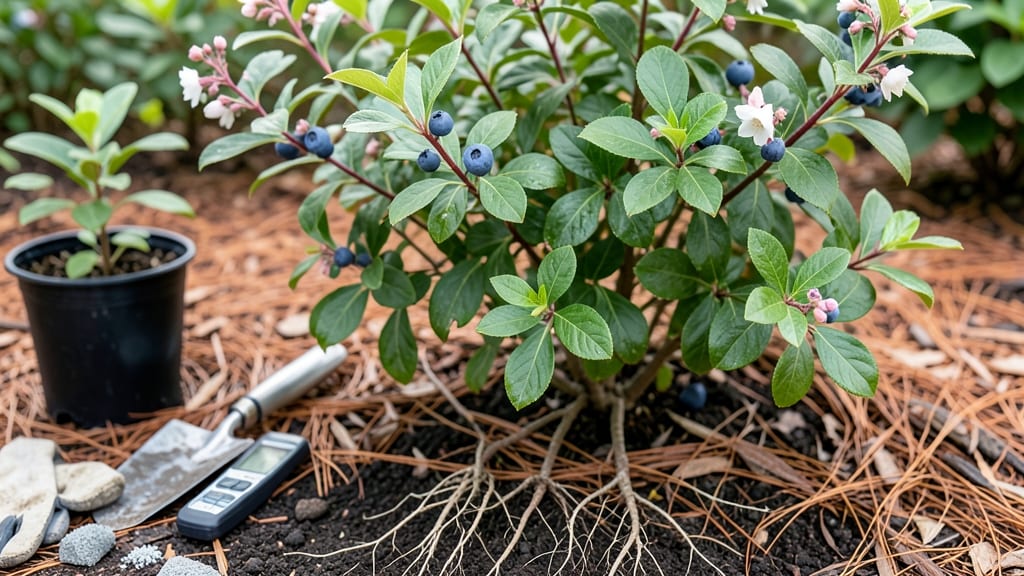
Planting blueberries in Zone 8b at the wrong time could mean the difference between a thriving 🫐 bush and one that struggles to survive. These delicate shrubs need precise timing—too early, and frost zaps their roots; too late, and they won’t establish before summer heat sets in.
Most gardeners in Zone 8b assume spring is the only option, but late fall actually gives blueberries a head start. When planted between October and February, they take root before the growing season, giving them a stronger foundation for summer’s heat.
This is the best strategy for Zone 8b’s mild winters and warm springs.
But here’s the catch: not all months are equal. Coastal areas in 8b can plant later than inland spots, where early freezes are more common. I’ll break down the exact window—plus soil prep tips and variety picks—to ensure your blueberries not only survive but thrive.
Ready to avoid common mistakes and get a harvest in May or June? Let’s dive into the timing, soil secrets, and microclimate tweaks that make all the difference for your Zone 8b blueberries.
Best planting months for blueberries in Zone 8b: fall vs. spring timing
Zone 8b’s mild winters and warm springs make it tricky to pinpoint the perfect time for planting blueberries. Most gardeners default to spring, but late fall is actually the optimal window for these acid-loving shrubs.
When planted between October and February, blueberries establish roots before summer’s heat stress, giving them a stronger start.
Fall planting (October–November) is ideal because cooler soil temperatures reduce root shock, and winter rains help settle the soil around new roots. In Zone 8b, where winters are rarely harsh, blueberries can even handle planting through December—just avoid freezing ground.
Spring planting (February–March) works too, but requires careful timing to avoid late frosts.
Here’s the catch: coastal areas in 8b (like San Francisco) can plant later than inland spots (like Atlanta) due to milder microclimates. Inland gardeners should plant by late November to avoid early freezes, while coastal gardeners have until January.
🌱 Pro Tip: Check your local frost dates. If your last frost is after February 15, you’re safer planting in fall. If it’s earlier, spring planting with frost cloth protection is your best bet.
| Factor | Fall Planting (Oct–Feb) | Spring Planting (Feb–March) |
|---|---|---|
| Soil Temperature | Cool (50–60°F) | Warming (55–70°F) |
| Root Establishment | Slow but steady (winter dormancy) | Rapid (spring growth spurt) |
| Frost Risk | Low (established roots) | High (late frosts) |
| Best For | Zone 8b’s mild winters | Warmer inland areas |
| Prep Needed | Mulch heavily (3–4 inches) | Frost cloth + watering plan |
Spring planting (February–March) is riskier in Zone 8b because late frosts can damage tender new growth. If you choose spring, plant after your last frost date and use frost cloth for the first 2 weeks. Water deeply 2–3 times per week to encourage root growth before summer heat arrives.
🌿 Key Insight: Blueberries planted in fall produce fruit the following year, while spring-planted bushes may take an extra season to bear. For Zone 8b’s shorter growing season, fall is the clear winner for faster harvests.
Microclimates play a huge role. Inland areas like Chattanooga or Raleigh should plant by November 15 to avoid early freezes. Coastal areas like San Diego can push planting to January thanks to ocean breezes moderating temperatures.
If you miss the fall window, don’t panic—spring planting still works. Just amend your soil with peat moss or sulfur to lower pH, and protect young plants with row covers if frost is forecasted. With the right prep, your blueberries will still thrive!
✂️ Action Step: Mark your calendar for October 15–November 30 as your prime planting window. For spring plantings, wait until after March 1 to minimize frost risk in most of Zone 8b.
Best planting months for blueberries in Zone 8b: fall vs. spring timing
Zone 8b gardeners often assume spring is the only time to plant blueberries, but fall planting gives these shrubs a critical head start. The ideal window spans from October through February, when soil temps stay cool but frost isn’t imminent.
Inland areas should aim for October–November, while coastal regions can extend planting until December thanks to milder microclimates.
Blueberries thrive when planted while dormant, allowing roots to establish before summer heat arrives. This strategy minimizes transplant shock and sets the stage for earlier fruiting in years 2–3.
The key is avoiding late frosts—Zone 8b’s average last frost date is February 15, so planting after this risks damaging tender roots.
| Timing Factor | Fall Planting (Oct–Feb) | Spring Planting (Mar–Apr) |
|---|---|---|
| Soil Temperature | 45–60°F (ideal for root growth) | 50–70°F (warmer = faster growth) |
| Frost Risk | Low (after Nov 15) | High (late frosts possible) |
| Root Establishment | 6–8 weeks before summer | 4–6 weeks (rushes growth) |
| Best For | Inland/cooler microclimates | Coastal/warm microclimates |
Spring planting (March–April) works but requires soil prep 4–6 weeks ahead to warm up. The trade-off? Faster initial growth, but higher risk of late frost damage.
For Zone 8b’s variable climate, fall planting is the safer bet—especially for first-time growers. Just ensure soil temps stay above 45°F to prevent root rot.
Microclimates play a huge role. Coastal areas like Santa Barbara or San Diego can plant until December, while inland spots (e.g., Phoenix or Albuquerque) should finish by November. Always check your local USDA frost maps—a 24-hour frost warning after planting can be disastrous.
Pro tip: If you miss fall, plant in early spring (March) but cover young bushes with frost cloth until April. The goal is to give roots at least 6 weeks of growth before summer’s peak heat.
With the right timing, your Zone 8b blueberries will reward you with harvests by late May or June.
Remember, acidic soil (pH 4.5–5.5) and full sun are non-negotiable. But timing? That’s the secret sauce for turning bare-root plants into fruit-bearing bushes in just a few seasons. 🌱