
Plants
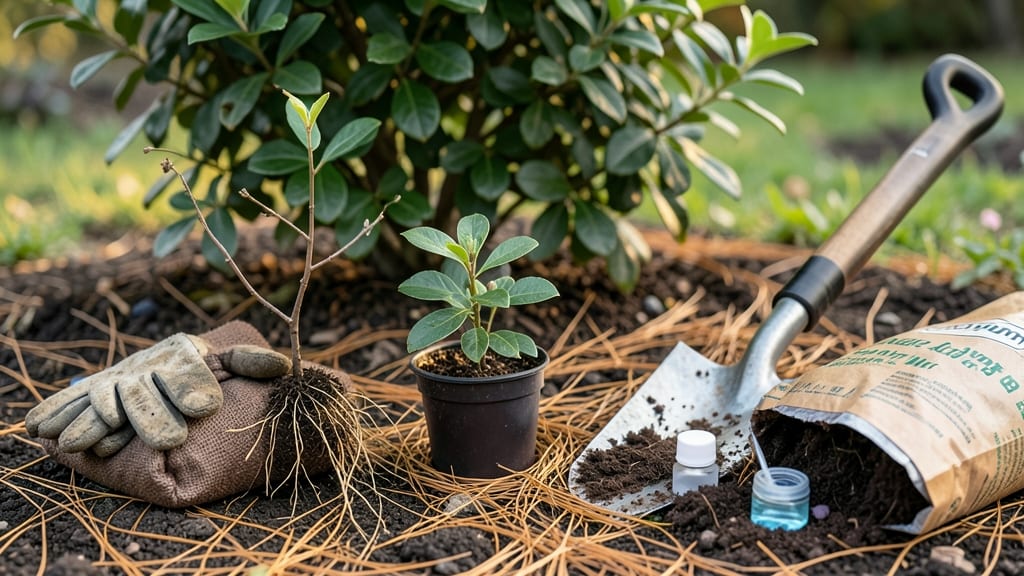
Planting blueberry bushes in Michigan at the wrong time can mean the difference between a thriving 🫐 harvest and struggling plants that never quite take off. With Zone 5B/6A frosts lingering into May and early October, timing isn't just important—it's the key to success for your berry bushes.
Most Michigan gardeners assume spring is the only option, but fall planting actually gives your blueberries a head start on root growth before winter.
I'll break down exactly when to plant—whether you're working with bare-root saplings or container-grown bushes—and how to adjust for your specific microclimate, from Detroit's urban heat islands to Traverse City's cooler lakeshore breezes.
The secret lies in understanding your last frost date (typically around April 15 but varying by region) and preparing your soil with the right acidity and drainage. We'll cover everything from soil temperature thresholds to post-planting care that keeps your bushes healthy through Michigan's unpredictable weather patterns.
Whether you're a first-time blueberry grower or looking to expand your existing bushes, these timing tips will help you avoid common mistakes that lead to poor establishment. Let's get your blueberries off to the best possible start for that summer harvest you've been dreaming of.
Best planting windows for blueberry bushes in Michigan’s zone 5B/6A
Michigan’s Zone 5B/6A climate demands precision when planting blueberry bushes. The best planting windows are either late April to early May (spring) or September to early October (fall), aligning with soil warmth and frost risks.
Spring planting gives bushes time to establish roots before winter, while fall planting allows roots to grow in cool soil before dormancy.
Spring planting should occur 2-4 weeks after your last frost date—typically after April 15 in most of Michigan. This timing ensures soil temperatures reach 45°F or warmer, ideal for root growth.
Fall planting, however, should be done 6-8 weeks before the first frost, usually by early October, to allow roots to establish without winter stress.
Regional microclimates matter! In southern Michigan (Detroit, Kalamazoo), the frost-free season lasts 160+ days, giving you a slightly longer window. In northern Michigan (Traverse City, Marquette), cooler temps shorten the window—plant 1-2 weeks later to avoid early frosts.
🌱
| Planting Window | Soil Temp | Frost Risk | Best For |
|---|---|---|---|
| Late April - Early May | 45°F+ | Low (post-last frost) | Spring root growth |
| September - Early October | 50°F+ | Moderate (pre-first frost) | Fall root establishment |
| Early June (emergency) | 55°F+ | High (late frost risk) | Bare-root only |
📅 Key Dates: Last frost (April 15), First frost (Oct 15)
For bare-root plants, spring planting is ideal—they establish roots faster in warm soil. Container-grown bushes, however, can handle fall planting better since their roots are already established. Avoid planting in March or November, as soil is often too cold or frosts are imminent.
Pro tip: Check soil temps with a soil thermometer before planting. Blueberry roots thrive in soil 50°F or warmer. In high-altitude areas (e.g., Upper Peninsula), delay planting by 1-2 weeks to account for cooler temps.
If you miss the ideal window, don’t panic! June planting is possible for bare-root bushes, but they’ll need extra care—deep watering and mulching to protect roots from heat stress. Just be prepared for a smaller first-year harvest.
🌿
Remember, blueberries hate soggy soil. Avoid planting in low spots where water pools, especially in spring when Michigan’s snowmelt can create temporary wetlands. A slightly elevated bed with amended drainage is perfect for these moisture-sensitive shrubs.
Finally, acclimate container-grown bushes before planting. Harden them off for 3-5 days by placing them outside in partial shade before transplanting. This reduces shock and improves survival rates in Michigan’s variable climate.
Best planting windows for blueberry bushes in Michigan’s zone 5B/6A
Michigan’s Zone 5B/6A climate creates two ideal windows for planting blueberry bushes: early spring (April–May) and early fall (September–October). Both seasons offer distinct advantages, but timing depends on your local frost dates and soil conditions.
I’ve planted blueberries in both seasons and found that fall planting often gives bushes a stronger start by letting roots establish before winter dormancy.
For spring planting, aim to get your bushes in the ground as soon as the soil is workable—typically 2–4 weeks before your last frost date (around April 15 in most of Michigan). Bare-root plants can handle cooler soil, but container-grown bushes thrive when soil temperatures reach 45°F (7°C).
In northern Michigan (e.g., Traverse City), wait until late April to avoid late frosts that can damage tender new growth.
Fall planting, on the other hand, allows blueberries to establish roots before winter, giving them a head start in spring. Plant 6–8 weeks before your first frost (typically mid-September to early October), ensuring bushes have time to harden off.
Southern Michigan (e.g., Detroit) can plant slightly later, while northern regions should aim for early September to avoid early frosts.
| Season | Best Months | Soil Temp | Key Considerations |
|---|---|---|---|
| Spring | April–May | 45°F+ (7°C+) | Plant after last frost; avoid waterlogged soil. |
| Fall | September–October | 50°F+ (10°C+) | 6–8 weeks before frost; mulch heavily for winter. |
*Adjust for microclimates: Urban areas (e.g., Detroit) may plant 1–2 weeks later than rural zones.
Regional microclimates play a huge role in Michigan. For example, Detroit’s urban heat island can delay spring frosts by a week or more, while Traverse City’s lakeshore breezes may require planting 10–14 days later to avoid cold snaps.
Check your local USDA Plant Hardiness Zone Map and use resources like the Michigan State University Garden Hotline for hyper-local advice.
If you’re unsure about your frost dates, use bare-root plants in spring—they’re more resilient to cooler soil. For container-grown bushes, wait until soil temperatures consistently stay above 50°F (10°C) to minimize transplant shock. I’ve seen container plants struggle when planted too early, so don’t rush!
Pro tip: Mark your planting dates on a garden calendar and note any unusual weather patterns. Michigan’s climate is unpredictable, and being prepared means the difference between thriving bushes and a failed harvest. With the right timing, your blueberries will reward you with years of sweet, homegrown fruit.