
Plants
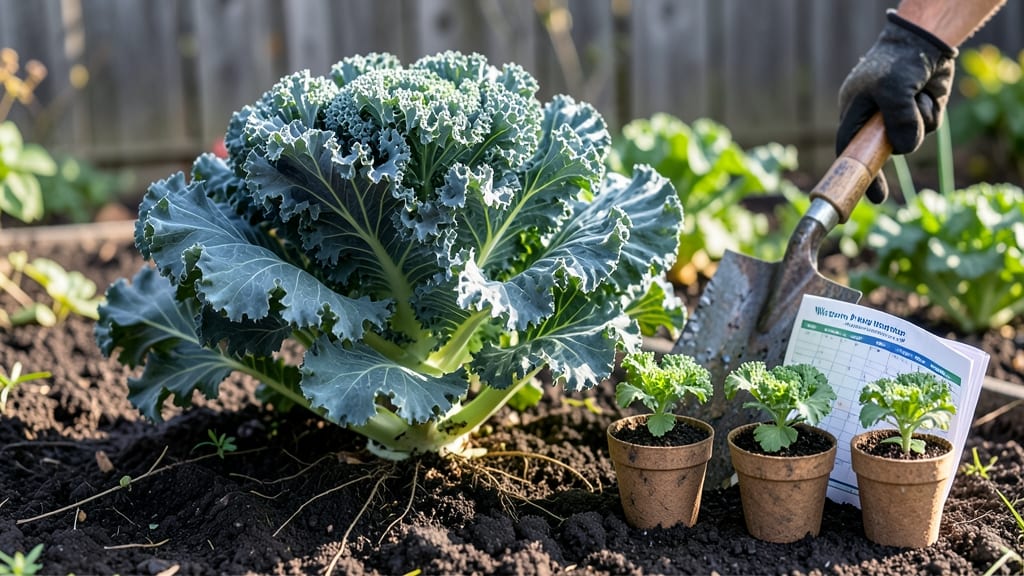
Planting brassicas 🌱 in Wisconsin isn’t just about grabbing seeds and sticking them in the dirt—it’s about mastering the frost-date dance that separates a thriving garden from a wasted effort. Get the timing wrong, and you’ll either watch your seedlings freeze or struggle with bolting in summer heat.
I’ve learned the hard way that Wisconsin’s unpredictable springs and short growing seasons demand precision. Whether you’re growing cabbage, broccoli, or kale, planting too early means frost damage, while waiting too long risks pests or stunted growth.
The key? Knowing exactly when to plant for your specific USDA zone.
In this guide, I’ll break down the optimal planting windows for Wisconsin—from late March to early April for spring crops and late July to August for fall plantings—plus soil prep tips to give your brassicas the best start. No more guesswork, just a harvest you can count on.
Ready to turn your brassica dreams into reality? Let’s get those seeds in the ground at the perfect moment—before Wisconsin’s weather throws you another curveball.
Wisconsin brassica planting calendar by frost dates and variety type
Wisconsin’s variable frost dates mean brassicas like cabbage, broccoli, and kale need precise timing. The average last frost ranges from late April in southern Wisconsin to early June in the Northwoods. Use these frost-date zones to plan your spring and fall plantings for maximum success.
For spring planting, aim to transplant seedlings 2-3 weeks before your area’s last frost. In southern Wisconsin (zones 4-5), this is typically mid-April to early May.
In northern Wisconsin (zones 3-4), wait until late May to early June to avoid frost damage. Direct sowing can start 2 weeks earlier for hardier varieties like kale and collards.
Fall planting is equally critical. Start 6-8 weeks before your first frost date (typically late September to early October in southern Wisconsin, early September in the north). This ensures brassicas mature before winter sets in. Brussels sprouts and broccoli benefit most from fall planting, as they sweeten with frost.
Here’s how Wisconsin’s three climate zones break down for brassica planting:
| Climate Zone | Last Frost Date | Spring Planting Window | Fall Planting Window | Best Varieties |
|---|---|---|---|---|
| Southern WI (Zones 4-5) | Late April | Mid-April to early May | Late July to early Aug | Early Jersey Wakefield Cabbage, Waltham Broccoli |
| Central WI (Zones 4-5) | Early May | Late April to early June | Late June to mid-July | Golden Acre Cabbage, Blue Lake Broccoli |
| Northern WI (Zones 3-4) | Early June | Late May to early June | Early to mid-July | Winterbor Kale, Ruby Streaks Broccoli |
Direct sowing vs. transplanting matters too. Direct sow hardy varieties like kale and collards 2 weeks before your last frost. For broccoli and cabbage, buy 6-week-old seedlings from nurseries and transplant them 2-3 weeks before your last frost. This gives them time to establish roots before spring heat arrives.
For fall brassicas, start seeds indoors 6-8 weeks before your first frost. Transplant outdoors 6-8 weeks before the first frost to ensure maturity. Brussels sprouts and broccoli planted in late summer will thrive through early fall frosts, delivering sweeter flavors.
Use UW-Madison Extension’s frost date calculator to fine-tune your planting schedule. Input your zip code for localized frost dates and adjust based on microclimates (e.g., urban heat islands or protected garden spots). This ensures your brassicas avoid late spring frosts and early fall freezes.
Pro tip: Succession planting every 2 weeks in spring and fall keeps your harvests continuous. For example, plant one batch of broccoli in early May and another in late July to enjoy summer and fall harvests.
🌱
How to adjust brassica planting for Wisconsin’s microclimates and soil conditions
Wisconsin’s climate isn’t one-size-fits-all—what works in Milwaukee’s Zone 5 might fail in Eau Claire’s Zone 4. Microclimates like urban heat islands or sheltered valleys can shift your last frost date by weeks.
For example, southern Wisconsin’s frost dates average April 15-30, while northern regions may not see their last freeze until May 10-20.
To extend your growing season, use row covers or cold frames for early plantings. These can push your spring planting window back by 3-4 weeks, giving seedlings a head start before Wisconsin’s infamous late frosts.
I’ve had success with floating row covers over broccoli transplants, which protected them during a 28°F dip in late April.
Wisconsin’s soil varies wildly—sandy soils in western regions drain too quickly, while clay-heavy soils in the east hold too much moisture. Test your soil’s pH (aim for 6.0-7.0) and amend with compost or peat moss to improve drainage and fertility.
Brassicas like kale and Brussels sprouts thrive in well-draining soil, while cabbage tolerates slightly heavier clay if amended properly.
For fall plantings, aim for late July to early August—this gives brassicas enough time to mature before Wisconsin’s first frost (October 15-November 1). In colder northern regions, opt for fast-maturing varieties like 'Golden Acre' cabbage (58 days) to beat the frost.
I’ve also had success with succession planting every 2 weeks in August for a staggered harvest.
Don’t overlook pest prevention—Wisconsin’s humid summers attract cabbage worms and flea beetles. Use row covers or neem oil sprays as a preventive measure. A little extra care now means fewer headaches later when your brassicas are finally ready to harvest.
With these adjustments, you’ll turn Wisconsin’s challenges into opportunities—because even in Zone 3, a well-timed brassica planting can outperform a rushed one in Zone 5. 🌱