
Plants
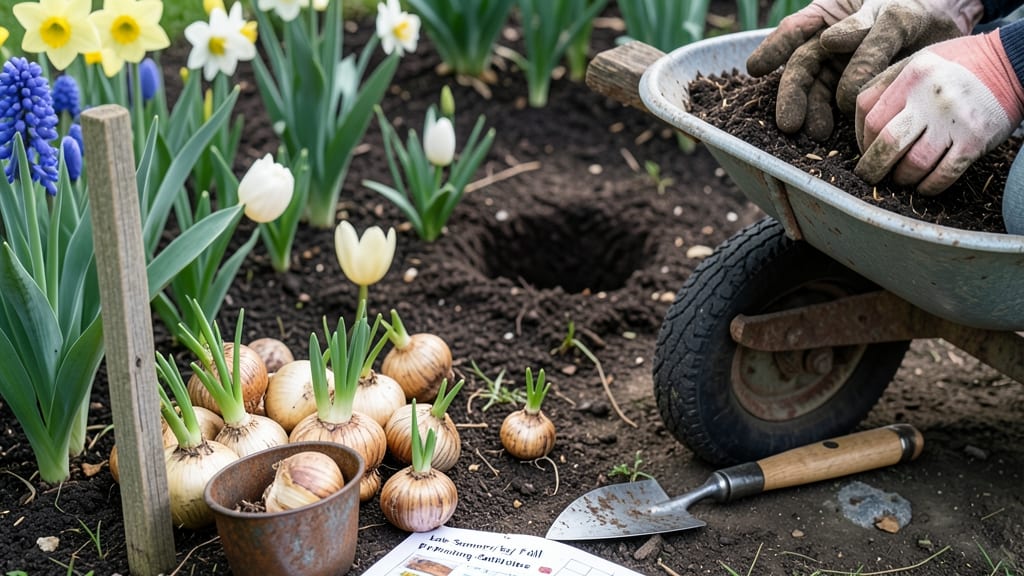
Planting bulbs at the wrong time in Zone 6 can mean the difference between a showstopping spring display and a disappointing flop. Whether you're dreaming of tulips or daffodils, timing is everything—and getting it right means blooms that pop with color and energy.
Most gardeners in Zone 6 know fall is the magic window for planting 🌷 bulbs, but the exact weeks before last frost make all the difference. Skip the guesswork and learn how to align your planting schedule with your local frost dates for vibrant, long-lasting blooms.
I’ll walk you through the best months and weeks to plant, so you can avoid common mistakes that leave bulbs struggling.
From soil prep to post-planting care, this guide covers everything you need to know for Zone 6 (General) success. Whether you’re a first-time gardener or a seasoned pro, these tips will help you get it right every time. Let’s dive into the perfect planting schedule for your spring garden.
Ready to transform your yard? By the end of this, you’ll know exactly when to plant bulbs in Zone 6—and how to give them the best shot at thriving. No more missed opportunities, just beautiful, healthy blooms waiting to greet you each spring.
Zone 6 bulb planting schedule by month: exact weeks before last frost
In Zone 6, your last frost date typically falls between April 1-15, depending on whether you're in Zone 6a or 6b. To get those showstopping spring blooms, you’ll need to plant bulbs at the right time—6-8 weeks before the first hard frost.
This schedule ensures bulbs establish roots before winter sets in, so they burst into color come spring.
Most gardeners in Zone 6 focus on fall planting for spring-flowering bulbs like tulips, daffodils, and hyacinths. However, you can also plant some bulbs in early spring if you miss the fall window. Let’s break down the exact planting weeks for each month to maximize success in your garden.
| Bulb Type | Planting Window | Weeks Before Last Frost | Zone 6a Date | Zone 6b Date |
|---|---|---|---|---|
| Tulips | Fall | 6-8 weeks | Mid-September to October 15 | Early October to November 1 |
| Daffodils | Fall | 6-8 weeks | Mid-September to October 15 | Early October to November 1 |
| Hyacinths | Fall | 6-8 weeks | Mid-September to October 15 | Early October to November 1 |
| Crocus | Fall or Early Spring | 6-8 weeks (fall) or March-April (spring) | Mid-September to October 15 (fall) or March 15-April 15 (spring) | Early October to November 1 (fall) or March 1-April 1 (spring) |
| Allium | Fall | 6-8 weeks | Mid-September to October 15 | Early October to November 1 |
| Snowdrops | Fall | 8-10 weeks | Late August to October 1 | September to November 1 |
For spring planting, focus on bulbs like crocus and snowdrops, which can handle being planted as soon as the ground is workable in March or early April.
These hardy bulbs tolerate cooler soil temperatures, making them ideal for latecomers or those who prefer spring planting. Just ensure the soil isn’t soggy or frozen.
If you’re planting in containers, the timeline is slightly more flexible. You can plant fall bulbs in containers 4-6 weeks before the first frost, as they won’t be exposed to the same temperature fluctuations as in-ground bulbs.
This gives you a little more wiggle room if your fall schedule is busy.
Pro tip: Use a soil thermometer to check that soil temperatures are consistently below 60°F before planting fall bulbs. This ensures they’ll enter dormancy properly and won’t sprout too early. In Zone 6, soil temps usually drop below 60°F by mid-October, aligning perfectly with the ideal planting window.
One common mistake is waiting until November to plant bulbs, thinking you have more time. However, bulbs planted too late may not establish strong roots before winter, leading to poor blooms or no flowers at all.
Aim to finish planting by October 15 for Zone 6a and November 1 for Zone 6b to stay on track.
For Zone 6b gardeners, who experience slightly later frosts, you have a bit more time—up to early November. But don’t push it! Bulbs need 4-6 weeks of root growth before the ground freezes solid.
If you’re unsure about your local frost dates, check the USDA Plant Hardiness Zone Map or use a local weather app for real-time updates.
Zone 6 bulb planting schedule by month: exact weeks before last frost
Zone 6 gardeners have a 6-8 week window before the first hard frost to plant most spring-flowering bulbs. For Zone 6a, this typically means planting between October 15 and November 15, while Zone 6b gardeners should aim for October 1 to November 1.
These dates ensure bulbs establish roots before winter dormancy begins.
Fall planting is ideal because it allows bulbs to develop strong root systems before spring growth. Tulips, daffodils, and hyacinths are classic choices for this schedule, but crocus and allium can also be planted in early fall.
The key is to plant 6-8 weeks before the ground freezes—typically around October 15 for Zone 6a and November 1 for Zone 6b.
| Bulb Type | Planting Window (Zone 6) | Weeks Before Frost | Notes |
|---|---|---|---|
| Tulips | Mid-October to November | 6-8 weeks | Plant in well-draining soil; avoid soggy spots. |
| Daffodils | October to early November | 6-8 weeks | Deer-resistant; great for borders. |
| Hyacinths | Late September to October | 8-10 weeks | Plant in clusters for fragrance. |
| Crocus | September to October | 10-12 weeks | One of the first flowers to bloom in spring. |
| Allium | October to November | 6-8 weeks | Drought-tolerant; great for cutting gardens. |
If you miss the fall window, don’t worry—early spring planting is also an option. In Zone 6, you can plant bulbs as soon as the ground is workable, typically March to early April.
This gives bulbs enough time to sprout and bloom before summer heat sets in. However, spring planting may result in slightly smaller blooms compared to fall-planted bulbs.
For Zone 6a, where frosts can linger longer, aim to finish planting by November 15 to avoid bulb rot. In Zone 6b, where winters are slightly milder, you can push planting to November 15-30.
Always check your local average last frost date and adjust accordingly—this small tweak can make a big difference in bulb survival.
Pro tip: Use a soil thermometer to ensure the ground temperature is below 60°F but above freezing when planting. This balance helps bulbs establish roots without rotting in cold, wet soil. Mulch lightly after planting to protect bulbs from extreme temperature fluctuations.
Timing isn’t the only factor—soil preparation matters too. Amend your soil with compost and ensure it drains well to prevent bulb rot. With the right timing and care, your Zone 6 garden will burst with color come spring! 🌷