
Plants
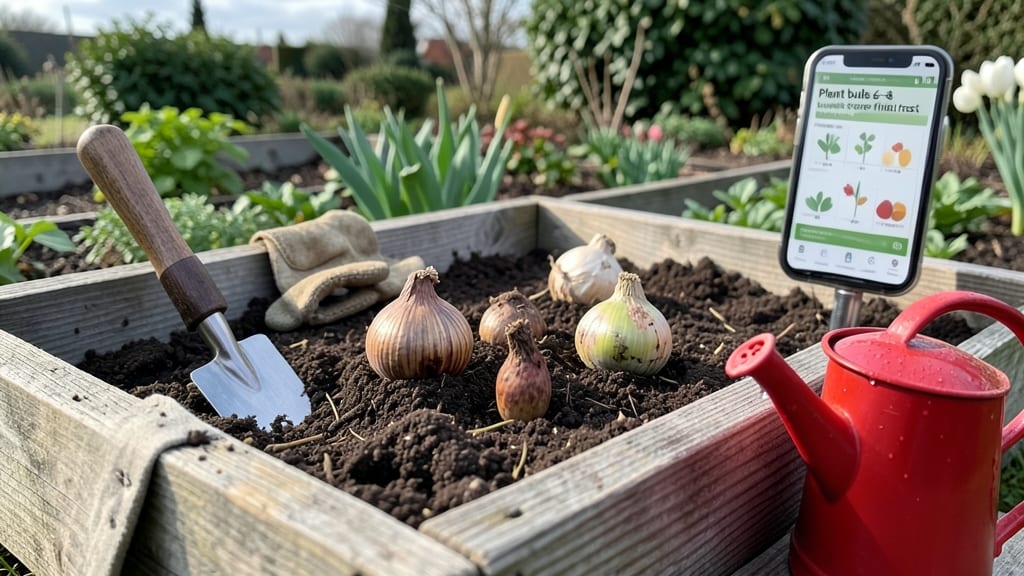
Planting your Spring Flowering Bulbs 🌷 at the wrong time in Zone 7b can mean the difference between a stunning spring garden and wasted effort. The key isn't just when you plant—it's about giving those bulbs enough time to establish strong roots before winter sets in.
In Zone 7b, where winters are mild but still chilly, timing matters more than you might think. Most gardeners assume "fall planting" means dropping bulbs in the ground anytime after Labor Day, but that’s where mistakes happen.
The ideal window is actually 6-8 weeks before the ground freezes, which typically lands between mid-October and early November.
Why does this matter? Because bulbs need time to grow roots before the soil freezes solid. If you plant too late, they won’t have enough energy to push up vibrant blooms next spring. And if you plant too early, they might sprout too soon, only to get nipped by frost.
I’ll show you exactly how to read your soil’s cues, adjust for your local microclimate, and avoid common pitfalls—so you can enjoy a garden bursting with daffodils, tulips, and hyacinths that make your neighbors green with envy. Let’s get those bulbs in the ground the right way.
Ideal fall planting window for Zone 7B bulbs (with exact dates)
Zone 7B’s mild winters create a unique challenge for bulb planting—too early, and your bulbs may sprout prematurely before winter sets in; too late, and they won’t establish strong root systems before the ground freezes.
The sweet spot is a 6-8 week window before your first hard frost, typically between mid-October and early November in most of Zone 7B.
For example, in Atlanta, GA, the average first frost hits around November 15, so aim to plant tulips and daffodils between October 1 and October 25.
In Raleigh, NC, where frosts arrive slightly later (around November 20), you have until early November to get bulbs in the ground.
Here’s the golden rule: Bulbs need 4-6 weeks of cool soil temperatures (below 60°F) to trigger root growth, but they shouldn’t sprout until spring. Planting too early in September risks premature sprouting, while waiting until December leaves them vulnerable to freeze damage before roots form.
Pro tip: Use a soil thermometer to confirm the ground has cooled to 60°F or below—this is your signal to start planting. In Zone 7B’s warmer microclimates (like urban areas with heat islands), you may need to wait until late October to avoid early sprouting.
| Bulb Type | Zone 7B Planting Window | Soil Temp Threshold | Key Notes |
|---|---|---|---|
| Tulips | Mid-October to early November | Below 60°F | Plant shallow (6") for early blooms |
| Daffodils | Late October to mid-November | Below 55°F | Deer-resistant; plant deep (8") |
| Hyacinths | Early October to late October | Below 65°F | Fragrant; needs well-draining soil |
| Crocus | September to early October | Above 50°F | Early bloomer; plant shallow (3") |
| Alliums | October to November | Below 60°F | Drought-tolerant; plant deep (6-8") |
If you’re in a warmer microclimate (like near a large body of water or in an urban heat zone), push planting to late October to avoid premature sprouting. Conversely, in cooler pockets of Zone 7B (e.g., higher elevations), you can start as early as late September.
For container gardening, plant bulbs in pots by mid-October and move them to a garage or cold frame if nighttime temperatures drop below 40°F. This mimics the natural winter chill bulbs need to bloom reliably.
Remember: The earlier you plant, the longer roots have to grow before winter. But don’t rush—soil temperature is more critical than calendar dates. Use the summary table above as your guide, and adjust based on your local frost dates.
Ideal fall planting window for Zone 7B bulbs (with exact dates)
In Zone 7B, the perfect window for planting spring-flowering bulbs like tulips, daffodils, and hyacinths is between mid-October and early November. This 6-8 week window before the ground freezes ensures bulbs establish strong roots before winter dormancy.
For example, if your average first frost hits around November 15, aim to plant by October 15.
Why this timing? Bulbs need 40-50°F soil temperatures to start root growth. In Zone 7B, daytime temps often stay above freezing until late November, but nights drop below 32°F by mid-October. Planting too early risks premature sprouting, while waiting too late means insufficient root development before freeze.
Your local microclimate matters too. Urban areas may freeze 1-2 weeks earlier than rural spots. Check your historical frost dates and adjust by 2-3 weeks if needed. For instance, if your area’s frost date is November 1, plant by September 25.
| Bulb Type | Zone 7B Planting Window | Soil Temp Threshold | Notes |
|---|---|---|---|
| Tulips | Mid-October to early November | 40-50°F | Needs chilling; plant early |
| Daffodils | Late October to mid-November | 45-55°F | Tolerates later planting |
| Hyacinths | Mid-October to early November | 40-50°F | Fragrant; plant in groups |
| Alliums | Late October to December | 45-55°F | Drought-tolerant; late bloomer |
Pro tip: Use a soil thermometer to confirm temps. If soil stays above 50°F for more than a week after planting, mulch with 2-3 inches of straw to protect roots. This mimics natural winter conditions without freezing too early.
For late bloomers like alliums, you can push planting to December in mild Zone 7B winters. Just ensure the ground doesn’t freeze solid before roots establish. In my garden, I’ve successfully planted crocus as late as January—they’re the hardiest of all!
Remember: The goal is root growth, not flower growth this season. Next spring, you’ll reward your patience with bold, vibrant blooms that start appearing as early as February in Zone 7B. 🌱