
Plants
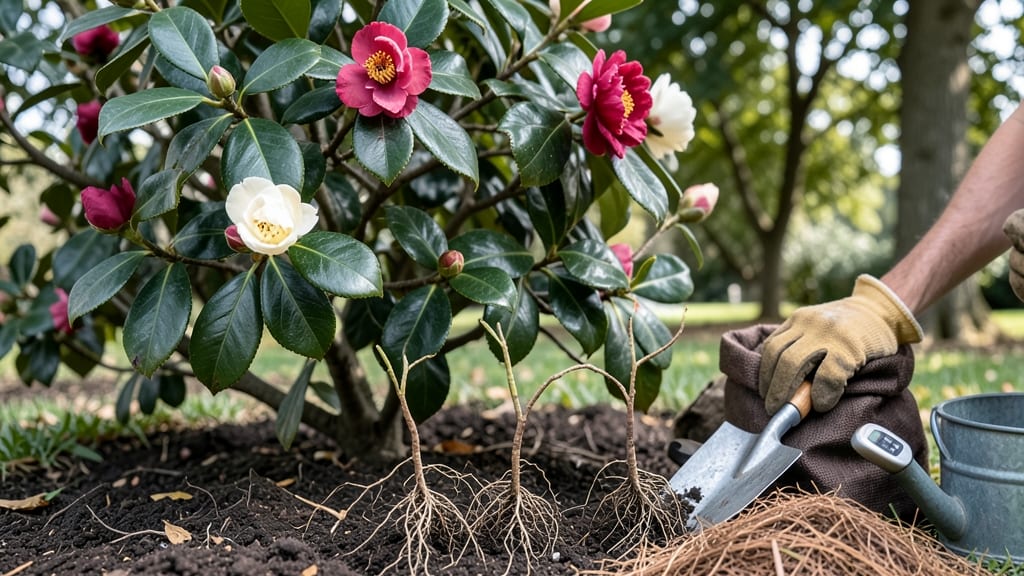
Planting your 🌸 camellias in NC at the wrong time can mean the difference between a showstopping shrub and a struggling underperformer. With North Carolina's varied climate—from the cooler Piedmont to the milder coastal areas—getting the timing right is everything for these finicky but stunning plants.
Most gardeners in USDA Zones 6b-8a swear by fall planting (October-November), when soil stays warm but frost isn't lurking. But if you miss that window, early spring (March) can still work—just be ready to protect young roots from late freezes.
The key? Planting when the ground is 60°F or warmer but before those first chilly nights hit.
I've learned the hard way that rushing camellias into cold soil or planting too late can stunt their growth—or worse, kill them before they even bloom. Whether you're adding one to your yard in Asheville or Wilmington, timing matters more than you'd think.
Let me show you exactly when to dig in for the best results.
From soil prep to frost dates, we'll cover everything you need to know to give your 🌸 camellias the perfect start—so you can enjoy those lush blooms for years to come. Ready to get planting?
NC camellia planting deadlines by hardiness Zone (7a-8b)
North Carolina’s camellias thrive in USDA Zones 7a-8b, but the best planting time shifts based on your microclimate—whether you’re in the coastal humidity of Wilmington or the Piedmont chill of Asheville.
The golden window? Fall (October–November) or early spring (March), when soil temps hover between 50–65°F and frost risks are minimal. Let’s break it down by zone to avoid costly mistakes.
In Zone 7a (e.g., Greensboro, Boone), your last frost date typically falls around March 15, while Zone 8b (e.g., Wilmington, Fayetteville) enjoys frost-free soil until November 15. Planting outside these windows can stress roots, inviting fungal diseases or winter dieback.
For example, a November planting in Zone 8b lets roots establish before mild winters, but the same timing in Zone 7a risks frost damage.
Here’s the critical rule: Aim to plant 6–8 weeks before your first expected frost. In Zone 7b (e.g., Raleigh, Charlotte), that’s October 1–November 15, while Zone 8a (e.g., Durham, Wilmington) can stretch until December 1.
Use your local Cooperative Extension office frost maps for precision—every county varies!
| Zone | Ideal Planting Window | Soil Temp Threshold | Frost Risk | Local Microclimate Notes |
|---|---|---|---|---|
| 7a | October 1–November 15 | 50–60°F | High (first frost: Nov 15) | Piedmont: cooler nights; mulch heavily. |
| 7b | October 15–November 30 | 55–65°F | Moderate (first frost: Nov 22) | Triad: protect roots with 4" mulch. |
| 8a | November 1–December 15 | 60–70°F | Low (first frost: Dec 1) | Coastal: humid; space plants for airflow. |
| 8b | November 15–January 15 | 65–75°F | Minimal (first frost: Nov 15) | Southeast: extend season with burlap wraps. |
Spring planting is your backup option if you miss fall. In Zone 7a, wait until March 15 (after last frost) to avoid shocking roots with warm soil.
For Zone 8b, you can plant as late as January 15, but prioritize container-grown camellias—they establish faster than bare-root stock. Pro tip: Soak container roots for 10–15 minutes before planting to reduce transplant shock.
Microclimates matter! In Asheville (Zone 7a), plant 2 weeks earlier than Raleigh (Zone 7b) due to cooler mountain soils. Conversely, Wilmington (Zone 8b) can handle December plantings if you use burlap wraps to insulate roots.
Always check 7-day soil forecasts—sudden cold snaps can derail your timing. For example, a 28°F night in November will kill exposed roots, even in Zone 8a.
Container camellias are your flex
NC camellia planting deadlines by hardiness Zone (7a-8b)
North Carolina’s camellias thrive in Zones 7a-8b, but the planting window shifts dramatically between the Piedmont and Coastal Plain. In Zone 7a (e.g., Asheville), you’ve got just 4-6 weeks between frost risks, while Zone 8b (e.g., Wilmington) enjoys a 3-month buffer. Missing these deadlines can lead to transplant shock or winter dieback—so mark your calendar! The ideal planting months for NC are October-November (fall) or early March (spring), but soil temperature is your real guide. Camellias need soil temps above 60°F to root successfully—colder soils trigger dormancy too soon. Use a soil thermometer to confirm readiness, especially in elevated Piedmont zones where nights stay chilly longer.🌱 NC Camellia Planting Deadlines by Zone
| Zone | Last Frost | First Frost | Fall Planting Window | Spring Planting Window |
|---|---|---|---|---|
| 7a (Asheville) | March 15 | November 30 | Oct 15–Nov 15 | March 1–15 |
| 7b (Raleigh) | March 1 | November 15 | Oct 1–Nov 15 | Feb 28–March 15 |
| 8a (Fayetteville) | February 28 | November 1 | Sep 15–Nov 1 | Feb 15–March 1 |
| 8b (Wilmington) | February 15 | October 31 | Sep 1–Nov 15 | Jan 15–Feb 15 |
✅ Pro Tip: Coastal zones (8a-8b) can plant earlier in fall due to milder winters.
🌿