
Plants
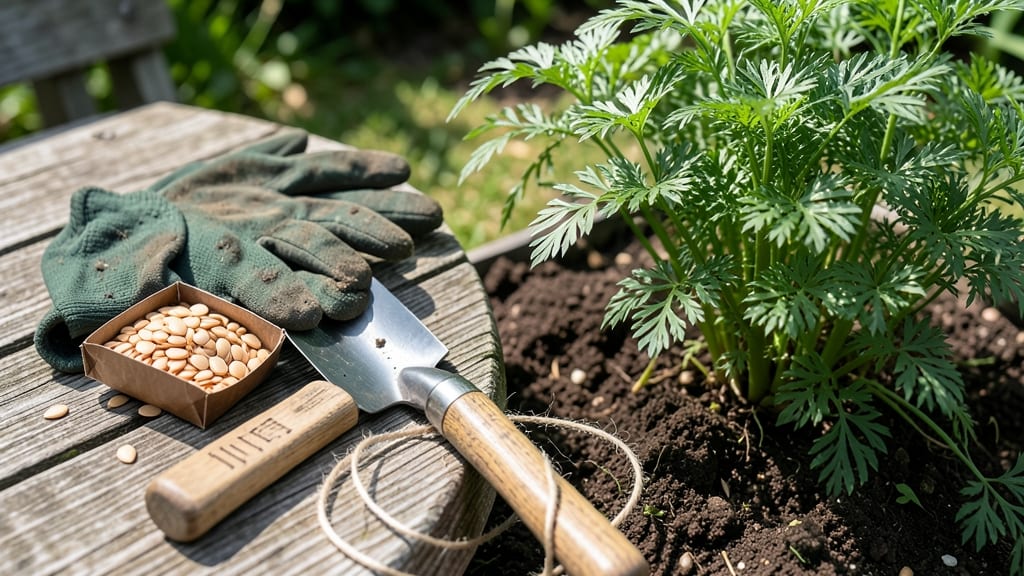
Timing your fall carrot 🥕 planting just right can mean the difference between sweet, tender roots and bitter, woody messes—especially in USDA Zone 6a where frost sneaks in earlier than you’d expect.
Most gardeners assume spring is the only time to plant carrots, but fall offers a secret advantage: cooler temperatures actually enhance their natural sweetness. The key? Starting your seeds 8-10 weeks before your first frost, giving them enough time to mature before winter sets in.
I’ve learned the hard way that planting too early risks bolting (when carrots flower prematurely), while planting too late leaves them stunted. The solution? A precise countdown based on your local frost dates—and I’ll walk you through exactly how to calculate it, plus the best varieties for fall success.
Ready to grow carrots that taste like they came straight from a farmers’ market? Let’s break down the exact steps to nail your fall planting window, from soil prep to harvest timing—so you can enjoy fresh, homegrown 🥕 all the way through winter.
Optimal fall planting timeline for carrots by USDA zones
Getting your fall carrot planting dates right depends entirely on your USDA zone and local frost patterns. Unlike spring, where you can plant as soon as soil warms, fall requires an 8-10 week countdown to maturity before the first hard frost.
In Zone 6a (like much of the Midwest), that means starting seeds between mid-August and early September for a harvest before winter sets in.
But if you live in warmer zones (7-8), you’ve got a little more flexibility—think late September to early October. Meanwhile, gardeners in cooler zones (3-5) should plant even earlier, around July to mid-August, to beat the early frost.
The key is ensuring your carrots reach 60-80 days to harvest before temperatures drop below 20°F (-6°C).
Here’s the visual breakdown of your zone-specific planting window—plus how to adjust for early or late varieties:
| USDA Zone | First Frost Date | Planting Window | Ideal Variety Days | Notes |
|---|---|---|---|---|
| 3-5 | Oct 1–15 | July 15–Aug 15 | 60–70 days | Use early varieties like 'Paris Market' |
| 6a–6b | Nov 1–15 | Aug 15–Sep 15 | 70–80 days | Classic Danvers or Napoli work well |
| 7–8 | Nov 15–Dec 1 | Sep 1–Oct 1 | 75–85 days | Try longer varieties like 'Chantenay' |
📅 Pro Tip: Check your local Almanac frost dates and subtract 70 days for your planting window.
If you’re unsure about your exact frost date, use the National Weather Service or your local Cooperative Extension office—they provide hyper-local data that’s far more accurate than generic zone guidelines.
For example, in Zone 6a, my garden’s first frost often hits October 25, not November 15, so I adjust my planting accordingly.
Another trick? Plant a successive crop every 2 weeks in late summer to stagger harvests. This way, you’ll have fresh carrots from October through December, even if frost arrives early. Just make sure your last planting gives roots 40+ days to mature before winter.
For northern gardeners (Zones 3-5), consider using row covers or a cold frame to extend the season by 2-3 weeks. This lets you plant slightly later—around August 1—while still protecting tender roots from early cold snaps.
Remember, soil temperature matters just as much as air temperature. Carrots germinate best in soil that’s 50–75°F (10–24°C). If your soil cools below 45°F (7°C), germination slows dramatically, and you risk bolting (when carrots flower instead of growing roots). Use a soil thermometer to check before planting.
Finally, if you’re in a transition zone (like 6b/7a), err on the side of planting earlier. I once planted in early September in Zone 6b and ended up with small, woody carrots because a late frost hit before they matured.
Since then, I’ve made it a rule to plant by mid-August for reliability.
With these zone-specific dates and a little flexibility for your microclimate, you’ll be well on your way to a bountiful fall carrot harvest—just in time for holiday meals and winter storage.
Next, we’ll dive into the 5 critical factors that can make or break your fall carrot success, beyond just the planting date. 🥕
5 Critical factors that determine your fall carrot planting success
Timing isn’t the only factor for fall carrots—your soil temperature, daylight hours, and frost protection all play starring roles. I’ve planted carrots in USDA Zone 6a for years, and these five elements make the difference between a bumper crop and a wasted effort.
Let’s break them down so you can avoid common pitfalls like bolting or stunted growth.
First, soil temperature must stay above 50°F (10°C) for seeds to germinate. If your soil cools below this, germination slows or stops entirely. Use a soil thermometer to check—especially if you’re in a cooler zone like Zone 4-5.
Warmer soil speeds up sprouting, giving your carrots a head start before winter sets in.
Daylight length also shifts in fall, triggering bolting (premature flowering) if carrots sense shortening days too soon. To prevent this, choose short-day varieties like ‘Danvers’ or ‘Nantes,’ which tolerate cooler temps better. Plant them 8-10 weeks before frost, but avoid seeding too early—long daylight in late summer can still trick them into bolting.
Next, frost dates aren’t just about the first freeze—they’re about the last harvest window. Carrots can handle light frosts (down to 20°F/-7°C), but a hard freeze ruins them.
Use a row cover or cold frame to extend your season by 2-4 weeks, especially in zones where frost arrives early (like Zone 6a by mid-November).
Must stay above 50°F (10°C) for germination. Use a soil thermometer to monitor.
Short-day varieties (e.g., ‘Danvers’) resist bolting. Avoid planting in late summer’s long daylight.
Use row covers to extend harvest by 2-4 weeks in frost-prone zones.
Rocks or clods cause forked roots. Till or use a broadfork to break up compacted soil.
Stagger seeds every 2 weeks for a continuous harvest until frost.
Don’t overlook soil preparation, either. Carrots need loose, stone-free soil to grow straight—otherwise, they’ll fork or split. Work in compost or aged manure before planting to improve drainage, and avoid fresh manure, which can cause bolt-inducing nitrogen spikes.
A fine-textured soil (like loam) is ideal, but even sandy soils work if you add organic matter.
Finally, succession planting is your secret weapon for a steady supply. Instead of seeding all at once, plant every 2 weeks until 6-8 weeks before frost.
This ensures you’re always harvesting fresh carrots while older batches mature. In Zone 6a, that means starting in early September and finishing by late October.
Master these five factors, and your fall carrots will be sweeter, straighter, and more abundant than ever—no matter where you garden. The key? Plan ahead, monitor your microclimate, and don’t rush the process. Your taste buds (and your dinner table) will thank you! 🥕