
Plants
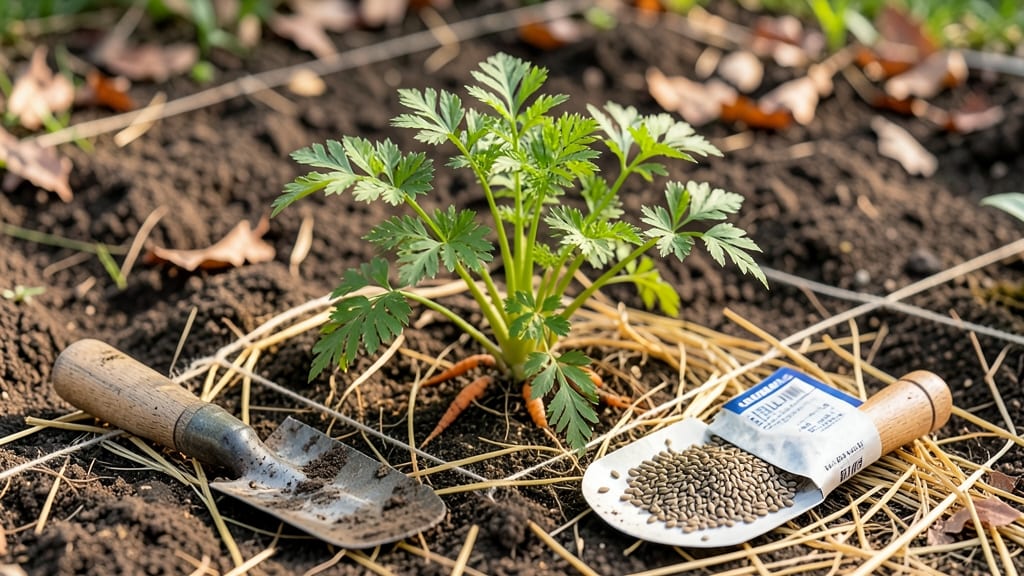
Planting carrots at the wrong time in Zone 6a can mean the difference between crisp, sweet roots and tough, stunted failures—so getting the timing right is your secret weapon for a bountiful harvest.
The key window opens just 6-8 weeks before your last frost date, typically between mid-March and early April, when soil temperatures hit a balmy 50°F.
But here's the catch: if you're aiming for fall harvests, you'll want to sow again in late July or early August, giving those roots time to mature before the first frost rolls in around mid-October.
I’ve learned that succession planting every 2-3 weeks keeps your kitchen stocked with fresh 🥕 all season long.
Why does this matter? Because carrots are sensitive little divas—they need warm soil to germinate but cool roots to develop properly. Too early, and frost will turn your seeds into sad, mushy puddles.
Too late, and you’ll miss the sweet spot for harvest. Let me show you exactly how to nail those planting windows and avoid the most common mistakes that sabotage Zone 6a gardens.
Whether you're a first-time gardener or a seasoned pro, these proven strategies will help you grow carrots that are tender, flavorful, and ready to pull when you need them most. Let’s get those seeds in the ground the right way!
Zone 6a carrot planting calendar: exact weeks before last frost for success
Timing your carrot planting in Zone 6a is critical—sow too early and face frost damage, too late and miss the sweet spot for harvest. The average last frost date in Zone 6a is around April 15, but soil temperatures matter more than calendar dates.
Carrot seeds need soil temps of 50-60°F to germinate properly. Aim for planting 4-6 weeks before your last frost to give seedlings time to establish before summer heat arrives.
For spring carrots, start sowing seeds indoors or directly in the garden 4-6 weeks before your last frost date (typically mid-March to early April).
In Zone 6a, this means early March plantings under row covers or in a greenhouse, followed by direct outdoor sowing in late March to early April. Use cold-hardy varieties like 'Nantes' or 'Danvers' for early success.
Carrots thrive in cool weather, so avoid planting when daytime temps exceed 75°F. In Zone 6a, this means stopping spring plantings by mid-May to prevent bolting (flowering) and woody roots.
For a fall harvest, your second planting window opens 8-10 weeks before your first frost (typically late July to early August).
| Season | Planting Window | Soil Temp | Harvest Time | Key Tip |
|---|---|---|---|---|
| Spring | Mid-March to early April | 50-60°F | May-June | Use row covers for early plantings |
| Fall | Late July to early August | 60-65°F | September-October | Choose quick-maturing varieties |
| Succession | Every 2-3 weeks | 50-70°F | Staggered harvests | Plant in blocks for continuous yield |
In Zone 6a, you can extend your growing season by using row covers or cold frames for early spring plantings. These protect seedlings from late frosts (which occur until April 15) and speed up soil warming.
For fall plantings, choose quick-maturing varieties like 'Paris Market' or 'Little Finger' to harvest before the first frost (October 15).
Soil preparation is just as critical as timing. Carrots need loose, well-draining soil to develop straight roots. Work in 2-3 inches of compost and avoid heavy clay. Test your soil’s pH—carrots prefer 6.0-6.8. If your soil is too dense, consider growing carrots in raised beds for better root development.
For succession planting, sow new seeds every 2-3 weeks from spring through early summer. This ensures a continuous harvest and prevents bolting from heat stress. In Zone 6a, your last succession planting should occur by mid-June to allow enough time for roots to mature before summer’s end.
Monitor your garden’s microclimate—south-facing beds warm up faster and are ideal for early plantings. If you notice slow germination (taking longer than 2-3 weeks), your soil may be too cold. In this case, wait another week or use a seedling heat mat to encourage sprouting.
Remember: Carrots are cool-season crops, so they’ll bolt (go to seed) if exposed to consistent temps above 80°F. In Zone 6a, this typically happens by late June, making fall plantings your best bet for late-season harvests. Use shade cloth if summer temps linger into July.
Pro tip: Keep a planting journal to track your Zone 6a success. Note which varieties thrive, when you planted, and any adjustments for next year. Over time, you’ll refine your schedule to match your garden’s unique conditions.
How to extend your carrot harvest in Zone 6a: succession planting strategies
Want a steady supply of fresh carrots all season? Succession planting is the secret—it lets you harvest every 2-3 weeks from spring to fall. In Zone 6a, where the growing season spans just 165 frost-free days, timing each planting is critical to avoid gaps or overcrowding.
Start with quick-maturing varieties (like 'Paris Market' or 'Early Nantes') for early harvests. These take only 50-60 days to reach maturity, giving you time to plant a second crop before summer heat sets in.
For storage carrots (like 'Danvers'), aim for a late-summer planting to harvest before hard frost.
Here’s my 3-step succession planting checklist for Zone 6a:
For a fall harvest, sow your last batch by July 15 to mature before the October 15 frost. Choose cold-hardy varieties like 'Purple Haze' or 'Chantenay', which tolerate light frosts and store well in cool, dark conditions.
Pro tip: Mark your planting dates on a garden calendar to track maturity. If you miss a window, container growing lets you extend the season—just plant in black pots to warm soil faster in spring.
🌱