
Plants
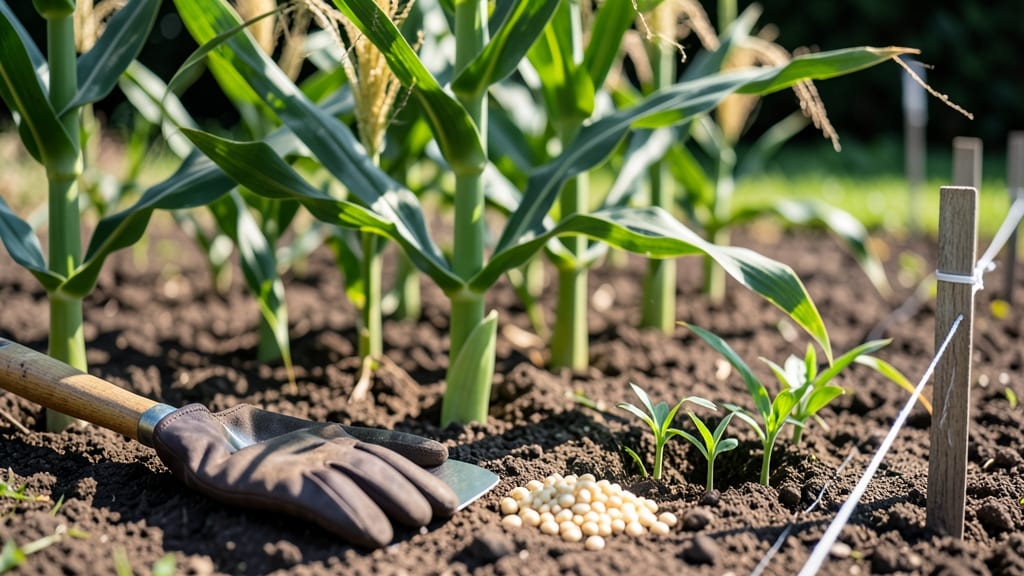
Planting corn in Idaho at the wrong time could mean the difference between a towering 🌽 harvest and a sad, wilted failure—especially when frost dates shift from north to south.
The 5b-7a zones here demand precision, and getting it wrong can leave your plants struggling or stunted before they even take root.
Most gardeners in Idaho wait until mid-April to mid-May, but that’s just the starting point. Soil temperature, last frost dates, and even your specific corner of the state play a huge role in when you should drop those seeds.
In southern Idaho, you might be ready by late April, while northern growers often need to wait until early May to avoid frost damage.
I’ve seen firsthand how a few days too early can turn a thriving crop into a sad, frost-nipped disappointment. But get the timing right, and you’ll be pulling ears in July and August with kernels so sweet they’ll make your neighbors jealous.
Let’s break down the exact window—and what to watch for—to ensure your corn grows strong and tall.
Whether you’re planting sweet corn for the dinner table or field corn for livestock, the key is understanding your microclimate. From soil prep to succession planting, I’ll walk you through every step to maximize your harvest. Ready to grow the best corn Idaho has to see?
Idaho corn planting dates by USDA growing zone (with frost risk analysis)
Idaho’s diverse climate—spanning USDA Zones 4-7—means your corn planting window depends heavily on where you live. Northern Idaho (Zones 5b-6a) has later last frost dates (early May), while southern Idaho (Zones 6b-7a) can start as early as mid-April.
Getting this wrong risks frost damage or stunted growth, so let’s break it down by zone.
For all regions, soil temperature is your best guide: wait until it hits at least 60°F at a depth of 4 inches. Cold soil slows germination, leaving seeds vulnerable to rot. Use a soil thermometer to check—this is especially critical in Idaho’s high-desert areas where nights stay chilly longer.
Here’s your zone-specific planting timeline, including frost risk analysis and ideal soil conditions:
Notice how southern Idaho (Zones 6b-7a) gets a 4-6 week head start compared to northern areas? This is why early-maturing varieties (like Silver Queen or Peaches and Cream) are essential for northern gardeners.
In contrast, southern Idaho gardeners can afford to plant later-maturing varieties (e.g., Ambrosia or Bodacious) for larger ears.
Pro tip: Use black plastic mulch to warm soil faster in cooler zones. This can shave 1-2 weeks off your planting timeline by raising soil temps by 5-10°F. Just remove it once plants emerge to avoid overheating.
For high-altitude gardens (above 4,000 ft), like those in Coeur d’Alene or Sun Valley, plant only after Memorial Day to avoid late frosts. These areas often see 10-14°F colder nights than valley floors, so err on the side of caution.
Finally, succession planting is key in Idaho’s short growing season. Stagger plantings every 2 weeks to ensure a continuous harvest. In Zone 7a, you might plant 3 batches; in Zone 5b, just 1-2. This extends your harvest window from 2 weeks to 2 months!
🌱
Best corn varieties for Idaho’s climate & how they affect planting timing
Choosing the right corn variety for Idaho’s climate is key to a successful harvest. The state’s cool nights and variable frost dates demand varieties with adaptable maturity times. Sweet corn thrives in Idaho’s short growing season, while field corn and heirloom types offer unique advantages for specific needs.
For southern Idaho (Zones 6-7), where summers are warmer, you can plant mid-season varieties like 'Golden Bantam' or 'Silver Queen'. These mature in 75-90 days, giving you flexibility to plant as late as early June for a fall harvest.
In northern Idaho (Zones 4-5), opt for early-maturing varieties like 'Early Sunglow' (60-70 days) to avoid frost damage.
Field corn varieties, such as 'Pioneer Brand 33B53', are ideal for animal feed or homesteading and can handle Idaho’s cooler temperatures better than sweet corn. They typically mature in 90-110 days, so plant them by mid-May to ensure a full season harvest.
| Variety | Type | Days to Maturity | Best Planting Time | Notes |
|---|---|---|---|---|
| Golden Bantam | Sweet Corn | 75-90 days | Mid-April to early June | Dwarf variety, great for containers |
| Early Sunglow | Sweet Corn | 60-70 days | Late April to mid-May | Early variety, frost-resistant |
| Pioneer Brand 33B53 | Field Corn | 90-110 days | Mid-May | Tolerates cooler temps, great for feed |
| Silver Queen | Sweet Corn | 80-90 days | Late April to early June | Classic variety, great for fresh eating |
Heirloom varieties like 'Country Gentleman' add diversity to your garden but require longer growing seasons. Plant these by mid-May in southern Idaho or late April in northern regions to ensure they mature before frost.
These varieties often take 100-120 days to reach harvest, making them riskier in Idaho’s shorter seasons.
For succession planting, consider staggering your sweet corn varieties every 2-3 weeks from mid-April to early June. This ensures a continuous harvest and reduces the risk of corn earworm infestations, which thrive in dense plantings.
Always check the seed packet for specific days to maturity and adjust your planting schedule accordingly.
Remember, soil temperature is just as critical as air temperature. Use a soil thermometer to confirm your soil is at least 60°F before planting. In Idaho’s cooler northern regions, you may need to use black plastic mulch to warm the soil faster and extend your planting window.