
Plants
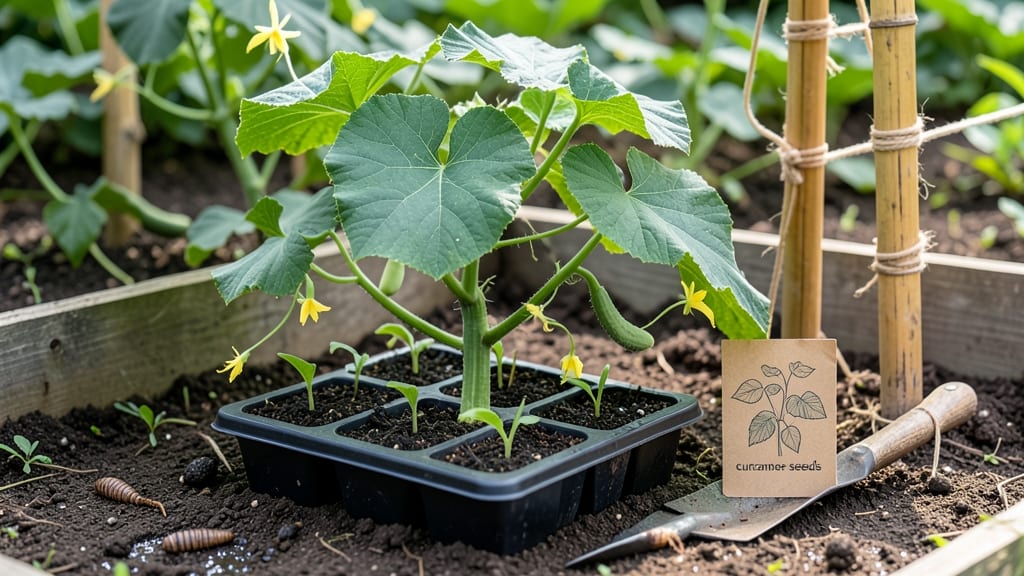
Timing your cucumber 🥒 planting in Pennsylvania can mean the difference between a bountiful summer harvest and wasted effort—because getting the soil temperature and frost dates wrong often leads to slow starts or early blights.
Most gardeners in zones 5b-7a wait until after the last frost (typically mid-April to early June), but rushing too soon can leave your plants struggling in cool soil. The key is waiting until the ground reaches at least 60°F, which usually happens by late May in most regions.
I’ve learned the hard way that planting too early—even with row covers—can stunt growth, while waiting too long risks missing the 60-75 day window needed for a full harvest before fall frosts hit in October.
Whether you’re sowing directly in the ground or using containers, I’ll walk you through the exact steps to time your planting perfectly for Pennsylvania’s climate—plus how to extend your season with simple tricks that actually work.
Pennsylvania cucumber planting dates by hardiness zone (soil temp & frost risks)
Pennsylvania’s USDA zones 5b-7a create a tricky balance for cucumber growers—cool springs delay planting, while early frosts cut harvests short. The last average frost date across the state ranges from April 15 in southern regions to May 10 in the north, but soil temperature matters more than air temperature.
Cucumbers won’t germinate well below 55°F, and growth stalls until soil hits 60°F consistently. In most of PA, this means waiting until late May for direct sowing. Transplants can handle slightly cooler soil (50°F) but still need warm roots.
I’ve mapped out exact planting windows below, but remember: northern PA (zones 5b-6a) has a shorter growing season (150 frost-free days) than southern PA (200 days in zone 7a). This affects which varieties you can grow successfully.
For example, ‘Straight Eight’ (60-day variety) thrives in southern PA but may not finish in the Poconos. Meanwhile, ‘Lemon Cucumber’ (75-day) works statewide but needs early planting.
🌱 Pennsylvania Cucumber Planting Guide by Zone
| Zone | Last Frost Date | Soil Temp Threshold | Direct Sow Window | Transplant Window | Last Planting Date |
|---|---|---|---|---|---|
| 5b (NE PA) | May 10 | 60°F+ | May 20-June 5 | May 1-15 | July 1 |
| 6a (Central PA) | April 25 | 60°F+ | May 10-June 10 | April 25-May 10 | July 15 |
| 6b (South-Central) | April 15 | 58°F+ | April 30-May 20 | April 15-25 | August 1 |
| 7a (SW PA) | April 5 | 55°F+ | April 15-May 10 | April 5-15 | August 15 |
💡 Pro Tip: Use a soil thermometer ($10 at garden centers) to confirm readiness—don’t guess!
If you’re in zone 5b and want to grow cucumbers, focus on early-maturing varieties (50-60 days) like ‘Boston Pickling’ or ‘Marketmore 76’. These give you the best chance of harvest before the October 15 average first frost.
For zones 6b-7a, you can experiment with succession planting—sow seeds every 2 weeks from May through June to stagger harvests. This works especially well for bush varieties like ‘Bush Champion’ that take up less space.
One mistake I see often is planting too close to the last frost date and hoping for the best. Cucumbers need 60-75 days to mature, so if you plant in early June in northern PA, you’ll miss most of the harvest season.
Always count backward from your first frost date.
For container growers, start seeds indoors 3-4 weeks before your last frost date, then transplant when soil warms. Containers heat up faster than ground soil, giving you a 2-week head start on the season.
🌿 Key Takeaway: Soil temperature > frost dates. Always wait for 60°F+ soil—even if air temps are warm, cool soil will delay germination by weeks.
How to extend your cucumber growing season in Pennsylvania (cold frames, row covers & succession planting)
Pennsylvania’s short growing season can feel like a race against time—especially for warm-weather crops like cucumbers. But with the right tricks, you can push your harvest window by 4-6 weeks on either end, giving you fresh cucumbers from early summer to late fall.
I’ve found that combining black plastic mulch, row covers, and succession planting works best for my Zone 6 garden.
The key is warming the soil faster and protecting young plants from late frosts. A simple black plastic mulch can raise soil temperatures by 10-15°F, letting you plant cucumbers 2-3 weeks earlier than usual.
For even earlier starts, I use a cold frame to sow seeds indoors in late March, then transplant hardened-off seedlings after the last frost.
Here’s how to maximize your cucumber season in Pennsylvania, no matter your zone:
- Start with Black Plastic Mulch
- Use Row Covers for Early Protection
- Try Succession Planting
- Opt for Cold-Hardy Varieties
For container gardeners, 5-gallon pots with heat-absorbing fabric wrapped around the sides can mimic black mulch’s effects. I’ve even seen gardeners use clear plastic bottles filled with water and buried near plants to stabilize soil temps—it’s a budget-friendly hack that works surprisingly well.
Remember, the goal is to align your planting with Pennsylvania’s 150-200 frost-free days. By combining these methods, you can turn your cucumber patch into a year-round producer—well into October when most gardeners are already packing up for winter 🥒.