
Plants
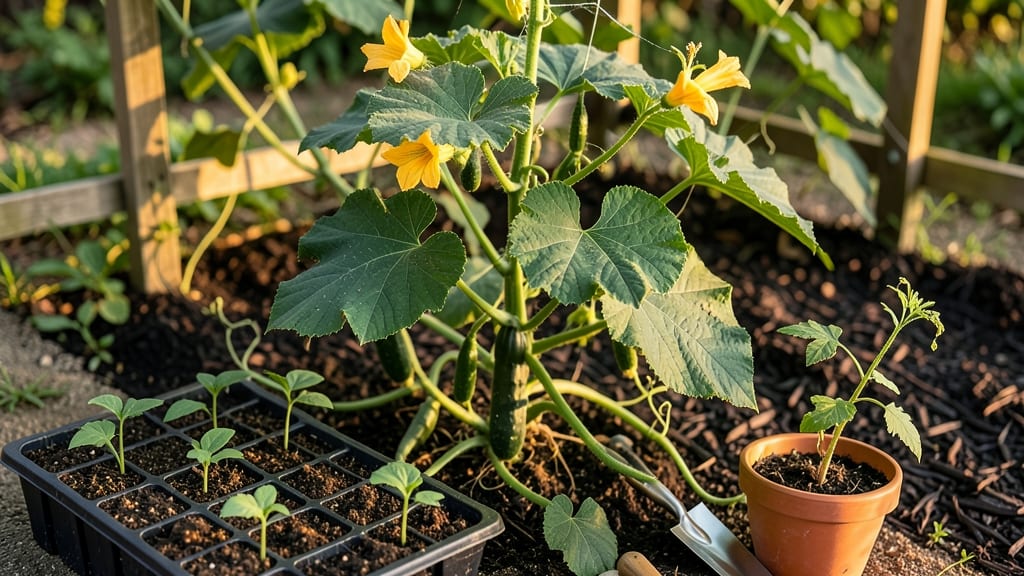
Timing your 🥒 cucumber planting in Zone 6 can mean the difference between a bumper crop and wasted effort—because those tender vines won’t survive even a light frost.
The key? Waiting until soil temperatures hit 60°F+ and all danger of frost has truly passed, which usually lands you in late April to early June.
But here’s the catch: Zone 6’s unpredictable weather means you can’t just follow a calendar. I’ll show you how to calculate your real last frost date (with a 2-week buffer for safety) and choose heat-tolerant varieties that won’t bolt when summer hits 90°F+ temperatures.
No more guessing—just proven strategies for a harvest from July to September.
Whether you’re starting seeds indoors or sowing directly, I’ll break down the exact steps to time your planting for maximum success.
Plus, I’ll share my top tips for extending your harvest into fall—like using row covers and black plastic mulch—so you can keep enjoying fresh 🥒 cucumbers long after most gardens have given up.
Ready to grow cucumbers that thrive in Zone 6’s climate? Let’s get started with the timing, varieties, and hacks that’ll turn your garden into a summer-long harvest zone.
Zone 6 cucumber planting timeline: exact dates for last frost to harvest success
In Zone 6, cucumbers demand precision—plant too soon, and a late frost will wipe out your tender seedlings. Too late, and you’ll miss the 70-day harvest window that defines summer abundance. The key? Timing based on your last frost date plus soil warmth, not just air temperature.
Most Zone 6 gardeners aim for late April to early June, but your exact window depends on microclimates and historic data.
First, check your USDA Zone 6a/6b last frost date—typically mid-April to early May. But don’t stop there. Add a 2-week buffer for those infamous late frosts that sneak in. For example, if your average last frost is May 1st, wait until May 15th to plant.
This isn’t just guesswork; it’s how I’ve protected my cucumbers from 28°F+ nighttime dips that can kill vines overnight.
Soil temperature matters more than air temperature. Cucumbers won’t germinate until the soil hits 60°F+. Use a soil thermometer to confirm—bury it 2 inches deep for accurate readings. In my garden, this usually means waiting until late May unless I’m using black plastic mulch to warm the soil faster.
Pro tip: Lay down mulch 1-2 weeks before planting to jumpstart warmth.
| Stage | Action | Zone 6 Timeline |
|---|---|---|
| Prep Soil | Test pH (6.0-6.8), amend with compost | Early April |
| Warm Soil | Lay black plastic mulch 1-2 weeks before planting | Late April |
| Direct Sow | Plant seeds 1" deep, 2-3 seeds per hill | May 15-June 1 (after 60°F soil) |
| Transplant | Move seedlings 12" apart, bury stem halfway | Late May-June 10 |
| Harvest Start | Pick when 6-8" long, firm but tender | July-August |
Direct sowing vs. starting indoors? For Zone 6’s short season, I recommend direct sowing after your last frost. Why? Cucumber seedlings hate transplant shock, and indoor starts often bolt faster. If you do start indoors, use biodegradable pots and harden off seedlings for 7-10 days before transplanting.
My rule: Never plant indoors before May 1st—the risk of bolting (flowering too early) skyrockets.
Succession planting is your secret weapon for continuous harvests. In Zone 6, sow a second batch every 2 weeks from late May through early July. This stretches your harvest from July to September, even as summer cools.
Just remember: Stop by August 15th, or seedlings may not mature before frost. I’ve lost count of the years I ignored this and ended up with sad, underripe cucumbers in October.
Don’t overlook microclimates—your garden’s warmest spots can shave 1-2 weeks off your planting timeline. South-facing beds, near fences or brick walls, or under row covers warm up faster. Test these spots with your soil thermometer.
Last year, my south-facing raised bed hit 60°F on May 10th, while the north side lagged until May 24th—a 2-week difference that meant the difference between a bountiful harvest and just a few sad cucumbers.
Finally, track your first frost date (usually mid-October in Zone 6) and work backward. Cucumbers need 70-80 days to maturity, so your last planting should be no later than August 1st for most varieties.
Use heat-tolerant varieties (like ‘Straight Eight’) to push this to August 15th, but be prepared to cover plants if temperatures dip below 50°F at night. A simple frost blanket can add 2-4°F of protection when needed.
Timing isn’t just about dates—it’s about reading your garden’s signals. Watch for new leaf growth on trees (a sign of stable warmth) and bee activity (cucumbers need pollinators!). When both are
Best heat-tolerant cucumber varieties for Zone 6’s unpredictable summers
Zone 6’s summers can swing from cool mornings to 90°F+ afternoons, making variety selection critical for cucumber success. Heat-tolerant varieties won’t bolt prematurely or develop bitter fruit when temperatures spike.
My top picks include ‘Straight Eight’ for classic slicing and ‘Marketmore 76’ for heavy yields—both handle Zone 6’s heat better than standard varieties.
For something different, try ‘Lemon Cucumber’ (crunchy, mild flavor) or ‘Diva’ (parthenocarpic, meaning it sets fruit without pollinators). These varieties thrive in 90°F+ heat and resist common diseases like powdery mildew, which flourishes in Zone 6’s humid summers.
🌱
🌿 'Straight Eight'
- ✅ Heat-tolerant (up to 95°F)
- ✅ Classic slicing cucumber
- ✅ 60-70 days to harvest
Best for: Fresh eating
🥒 'Marketmore 76'
- ✅ Disease-resistant
- ✅ Heavy producer (10+ cucumbers/plant)
- ✅ 60 days to harvest
Best for: Pickling & slicing
🍋 'Lemon Cucumber'
- ✅ Crisp, mild flavor
- ✅ Thrives in heat
- ✅ 55 days to harvest
Best for: Salads & snacks
🌱 'Diva'
- ✅ Parthenocarpic (no pollinators needed)
- ✅ Compact vines (great for containers)
- ✅ 55 days to harvest
Best for: Small spaces
Avoid standard slicing varieties like ‘Poona Kheera’ unless you’re in a cooler microclimate—they bolt quickly in Zone 6’s heat. Instead, focus on heat-tolerant, disease-resistant varieties that match your growing conditions.
For example, if you have limited space, choose ‘Bush Champion’ (compact vines), while ‘Armenian’ cucumbers thrive in trellised setups and produce continuously until frost.
Pro tip: Check seed packets for “heat-tolerant” or “disease-resistant” labels—these traits make all the difference in Zone 6. I’ve had the most success with ‘Straight Eight’ in my raised beds, where the soil stays warmer longer, and ‘Marketmore 76’ in my in-ground plots for maximum yield.
🌿
Remember, even the best varieties need consistent moisture and mulch to handle Zone 6’s heat waves. Pair your chosen variety with black plastic mulch to keep roots cool and soil temperatures optimal—this simple hack can extend your harvest by 2-3 weeks into fall.