
Plants
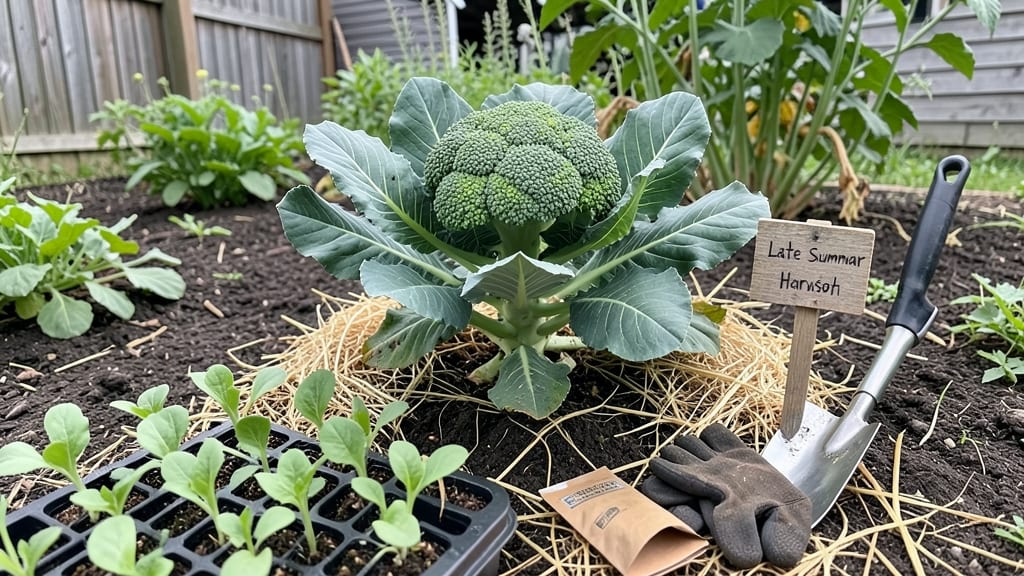
Planting Fall Crops (General) 🌾 in Ohio isn’t just about timing—it’s about beating the clock before frost steals your harvest. Miss the window, and you’ll end up with bitter greens or stunted roots instead of the fresh, flavorful bounty you’re dreaming of.
Ohio’s Zone 6a climate gives you a narrow but critical window: 8-12 weeks before the first frost (usually by early September). Get this right, and you’ll enjoy crisp carrots, hearty kale, and sweet potatoes straight from your garden until December.
But plant too late, and even cold-hardy varieties won’t have time to mature.
I’ve tested the best strategies for Ohio gardeners—from choosing the right varieties to adjusting for microclimates—and I’ll show you exactly how to maximize your fall harvest. Whether you’re a seasoned gardener or just starting, these tips will help you avoid common mistakes and extend your growing season.
Ready to turn your backyard into a fall harvest goldmine? Let’s dive into the exact deadlines and proven techniques that work in Ohio’s unpredictable climate. Your future self (and your taste buds) will thank you.
Ohio fall planting deadlines by Zone 5b/6a: exact dates for frost-proof harvests
Ohio’s Zone 5b/6a climate creates a tight but rewarding window for fall crops. The first frost typically arrives between October 15-25, so your planting deadline hinges on counting backward from that date.
For most vegetables, aim to plant 8-12 weeks before frost—meaning late July to early September is your sweet spot.
This timeline ensures crops like kale, spinach, and carrots mature before winter sets in. But don’t panic if you’re late—some varieties (like radishes or turnips) tolerate cooler temps and can be sown as late as early October for a quick harvest.
Here’s the critical rule: Leafy greens (e.g., lettuce, spinach) need 30-50 days to mature, while root crops (e.g., carrots, beets) take 50-70 days. Brassicas like broccoli and cabbage need even longer—60-90 days—so plant them first, around mid-July to early August.
Microclimates matter in Ohio. Gardens near lakes or urban heat islands may delay frost by 1-2 weeks, giving you extra time. Conversely, inland areas (like northeast Ohio) can experience frost earlier, so adjust your timeline accordingly.
🌱
| Crop | Days to Maturity | Planting Window (Zone 5b/6a) | Frost Tolerance |
|---|---|---|---|
| Leafy Greens (Lettuce, Spinach) | 30-50 days | Late July - Mid-September | Moderate (light frost OK) |
| Root Crops (Carrots, Beets, Radishes) | 50-70 days | Mid-July - Early September | High (survives light frost) |
| Brassicas (Broccoli, Cabbage, Kale) | 60-90 days | Mid-July - Early August | Very High (thrives in cool temps) |
| Green Onions, Radishes, Turnips | 20-40 days | Late August - Early October | High (fast-growing) |
Pro tip: Use succession planting to stretch your harvest. Sow fast-maturing radishes every 2 weeks from July through September. This ensures a steady supply even if early plantings bolt or frost hits.
Soil temperature is just as critical as air temperature. Wait until the soil cools to 60-70°F before planting heat-sensitive crops like spinach or lettuce. Test your soil with a soil thermometer—it’s a game-changer for fall planting success.
Ohio’s USDA Zone 5b/6a transition means some years are warmer, others colder. Check your local Cooperative Extension Service for updated frost dates. For example, Columbus averages frost around October 20, while Toledo may see it as early as October 10.
Don’t forget to harden off seedlings before transplanting. Acclimate them to cooler temps over 5-7 days by gradually reducing shade and evening watering. This boosts survival rates for cold-sensitive crops like broccoli or cauliflower.
If you’re planting late August or September, focus on cold-hardy varieties. Look for labels like ‘Winterbor’ kale or ‘Rainbow’ carrots—these are bred to thrive in Ohio’s chilly fall conditions. Your reward? A garden that keeps giving long after summer’s over.
🌿
Ohio fall planting deadlines by Zone 5b/6a: exact dates for frost-proof harvests
Ohio’s Zone 5b/6a climate creates a tight but rewarding window for fall planting. The key is working backward from your average first frost date, which typically falls between October 15-25 across most of the state.
For a successful harvest, most crops need 45-60 days to mature—so start planting by mid-September at the latest.
In southern Ohio (Zone 6a), you might squeeze in a few extra weeks, while northern areas (Zone 5b) should plant earlier. Leafy greens like spinach and lettuce are the most forgiving, while root crops like carrots and beets need consistent soil temperatures to grow properly.
Let’s break down the exact deadlines for your favorite fall crops.
🌱 Ohio Fall Planting Deadlines by Crop
| Crop | Planting Window | Days to Harvest | Zone 5b Deadline | Zone 6a Deadline |
|---|---|---|---|---|
| Kale | Late July - Mid-Sept | 45-60 days | August 15 | September 1 |
| Carrots | Late July - Early Sept | 60-75 days | August 1 | August 20 |
| Spinach | Mid-August - Late Sept | 30-45 days | September 15 | September 25 |
| Beets | Late July - Early Sept | 50-60 days | August 10 | August 25 |
| Broccoli | Late July - Mid-August | 70-80 days | July 15 | July 30 |
For cool-season crops, aim to plant 4-6 weeks before your first frost date.
In Ohio, this usually means starting by mid-August for northern areas and stretching into early September for southern regions. Heat-loving crops like tomatoes and peppers should be planted earlier (June-July) to give them time to mature before temperatures drop.
Pro tip: Check your local USDA frost map for precise dates, as microclimates (like urban areas or near large bodies of water) can delay frost by 1-2 weeks.
If you’re unsure, err on the side of planting earlier—cold-hardy crops like kale and radishes can handle light frosts and may even taste sweeter after exposure!
Once you’ve planted, focus on soil moisture and mulching to protect young plants from temperature swings. A 2-3 inch layer of straw or shredded leaves will insulate roots and keep them growing steadily until harvest.
With these deadlines in mind, you’ll be well on your way to a bountiful Ohio fall garden.