
Plants
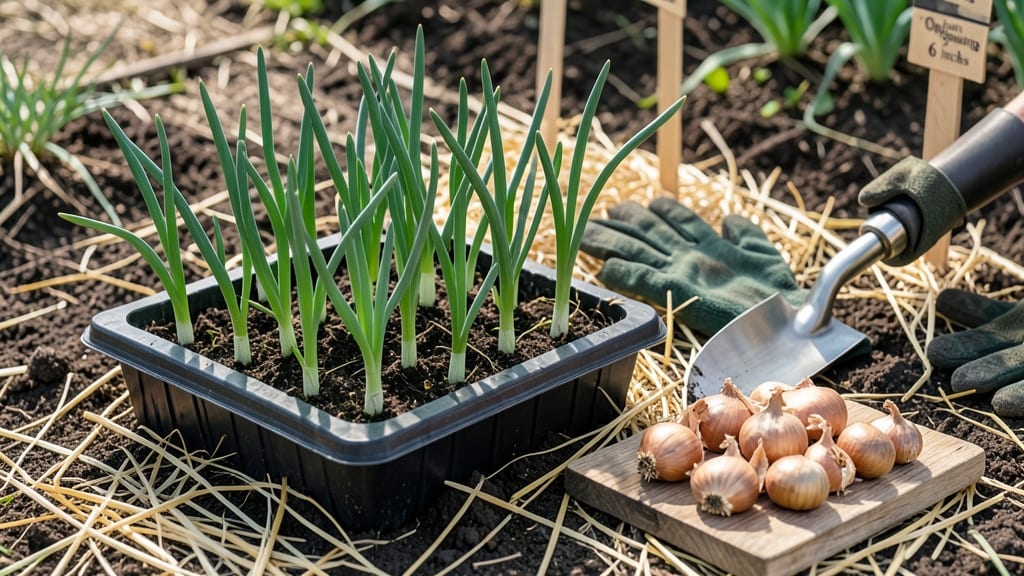
Timing your fall onion 🧅 planting just right in Zone 7 can mean the difference between a harvest full of plump bulbs and a garden full of disappointment. The key window—late summer to early fall—lets you beat frost while giving roots time to establish before winter sets in.
If you plant too early, your onions might bolt in the heat, and too late risks immature bulbs before the first freeze.
I’ve learned the hard way that getting this right depends on more than just dates—soil temperature, frost forecasts, and even moon phases play a role in growing strong, flavorful onions.
In this guide, I’ll break down the exact planting window for Zone 7, including how to adjust for early or late frosts, and why spacing matters for bulb size. Whether you’re using sets, transplants, or seeds, you’ll leave here with a clear plan to maximize your harvest before winter arrives.
Ready to grow onions that thrive despite Zone 7’s tricky weather? Let’s dive into the best strategies to ensure your fall planting pays off big time.
Best planting window for fall onions in Zone 7: dates and moon phase tips
Timing is everything when planting fall onions in Zone 7, where first frost typically arrives around November 15. To ensure your onions mature before winter sets in, aim to plant 4-6 weeks before frost, which usually lands in early September to mid-October.
This window gives your onions enough time to develop 1-1.5-inch bulbs before the ground freezes.
Zone 7’s unpredictable frost patterns can throw off even the most experienced gardeners. For example, if your area tends toward early frosts, shift planting to late August or early September.
Conversely, if your fall is mild, you might extend planting until mid-October. Always check your local frost date averages for precision.
Now, let’s talk moon phases, a trick many gardeners swear by for bulb development. Planting during the waxing moon (when the moon is growing brighter) is said to encourage root growth, which is ideal for onions.
For Zone 7, this often aligns with late August to early September. Use a moon phase calendar to pinpoint the best days—just a few extra days can make a difference in bulb size.
📅 Fall Onion Planting Timeline for Zone 7
| Planting Window | Moon Phase | Soil Temp | Notes |
|---|---|---|---|
| Late August | Waxing Moon | 60-70°F | Ideal for early frost areas |
| Early September | Waxing Gibbous | 55-65°F | Best for most of Zone 7 |
| Mid-September | Full Moon | 50-60°F | Works for mild falls |
| Early October | Waning Gibbous | 45-55°F | Riskier; check frost dates |
One common mistake is assuming all onion varieties mature at the same rate. Short-day onions, like Texas Early White or Yellow Granex, are perfect for fall planting in Zone 7 because they bolt less readily in shorter days.
Long-day varieties, however, may struggle to mature before frost. Always check the days to maturity on seed packets—aim for 60-90 days to harvest.
Don’t overlook soil temperature when planning. Onions thrive in 50-70°F soil, but they won’t germinate well if the ground is too hot (above 80°F) or too cold (below 45°F).
Use a soil thermometer to confirm conditions. If your soil runs hot in late summer, wait until temperatures drop naturally or plant in shaded beds to cool the soil.
Another layer to consider is companion planting. Onions pair beautifully with carrots, beets, and cabbage, which can deter pests like onion flies. Avoid planting near beans or peas, as they compete for nutrients.
If space is tight, interplant onions with lettuce or spinach—they’ll use the same growing area efficiently.
For gardeners in higher elevations within Zone 7 (like the Blue Ridge Mountains), frost can arrive earlier. Adjust your planting window by 2-3 weeks earlier to account for cooler temperatures. Conversely, if you’re in a coastal area with milder winters, you might push planting to mid-October safely.
Finally, keep an eye on your local weather forecasts in the weeks leading up to planting. A sudden cold snap in early October could push your frost date forward unexpectedly. If this happens, consider using row covers or a cold frame to extend your growing season by 2-4 weeks.
With these planting windows and tips in mind, you’ll be well on your way to harvesting plump, flavorful fall onions—just in time for holiday meals! 🧅
Best planting window for fall onions in Zone 7: dates and moon phase tips
In Zone 7, the ideal window for planting fall onions stretches from early September to mid-October. This timing ensures bulbs mature before the first hard frost—typically around November 15—while avoiding the summer heat that can cause bolting.
I’ve found that planting in late September offers the sweet spot for most growers in this zone.
Your exact planting date depends on your last frost date and local weather patterns. For example, if your area tends to have an early frost, shift planting to early September.
Conversely, if your fall stays mild, you can extend planting until late October, though bulbs may be smaller. Always check your 10-day frost forecast before committing to a date.
Moon phases also influence onion growth. Planting during the waxing moon (when the moon is growing brighter) encourages root development, while the waning moon promotes top growth.
For fall onions, aim to plant during the waxing gibbous phase—typically 3-5 days before the full moon—to maximize bulb formation before winter.
| Planting Window | Moon Phase | Soil Temp | Bulb Maturity |
|---|---|---|---|
| Early September | Waxing Gibbous | 60-70°F | Large bulbs (if frost delayed) |
| Mid-September | Full Moon | 55-65°F | Medium bulbs (ideal size) |
| Late September | Waning Crescent | 50-60°F | Small bulbs (fast growth) |
| Early October | New Moon | 45-55°F | Green onions only |
Soil temperature is another critical factor. Onions thrive when soil stays between 50-70°F during growth. If your soil cools below 50°F before bulbs mature, growth slows dramatically. Use a soil thermometer to monitor temperatures—plant only when soil is consistently above 55°F during the day.
For Zone 7 growers, I recommend starting with onion sets (small bulbs) rather than seeds, as they mature faster—typically in 60-90 days. Sets planted in late September often yield the largest bulbs before frost.
If you prefer seeds, start them indoors 8-10 weeks before transplanting to ensure they’re ready for the garden by early September.
Pro tip: Mark your calendar for October 15 as your last planting date in Zone 7. After this, onions won’t have enough time to develop bulbs before winter. If you miss this window, focus on growing green onions instead, which tolerate cooler temperatures and can be harvested earlier.