
Plants
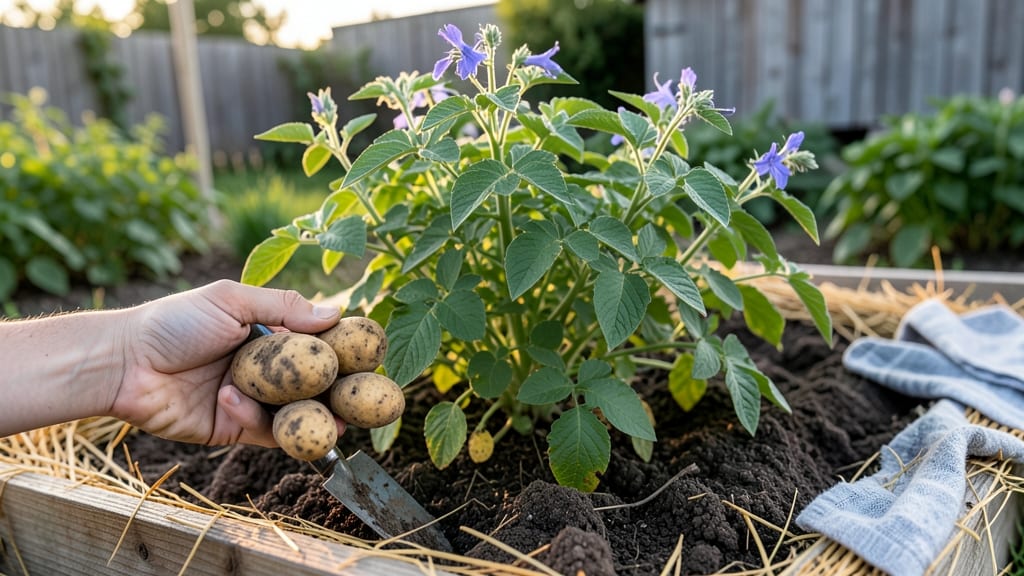
Planting fall potatoes in Oklahoma isn't just about timing—it's about catching that sweet 4-week window before the first frost turns your crop into a frozen disappointment.
With Oklahoma's 7a-8a climate, you've got about mid-September to early October to get those 🥔 tubers in the ground, but one wrong move could mean losing your harvest to early cold snaps.
I've learned the hard way that rushing or waiting too long makes all the difference. The key is understanding your specific region's frost dates—whether you're in Oklahoma City or rural areas—and preparing your soil properly.
Let me walk you through the exact steps to time your planting for maximum yield, from selecting the right varieties to avoiding common pitfalls that ruin fall harvests.
You might think any potato will work, but cold-hardy varieties like Yukon Gold or Red Pontiac thrive in Oklahoma's short season. We'll cover how to choose the best types, amend your soil for faster growth, and protect your crop from pests that love fall's cooler weather.
Trust me, getting this right means the difference between a handful of small potatoes and a bushel of harvest-ready tubers.
Ready to turn your garden into a potato powerhouse? Let's dive into the precise planting schedule, soil prep secrets, and care tips that will have you digging up a bounty before winter sets in.
Your fall harvest starts with these simple but critical steps—don't miss out on the best time to plant.
Oklahoma’s fall potato planting timeline: exact dates by region
Oklahoma’s fall potato planting window is tight—just 4-6 weeks before the first frost—so timing is everything. With USDA zones 7a-8a, your region’s average first frost date (typically mid-November) determines your planting deadline.
For Oklahoma City and Tulsa, this means starting in late August to early September, while rural areas with cooler microclimates may push planting to mid-September.
Soil temperature is your best guide: aim for 50-60°F when planting seed potatoes. Use a soil thermometer to confirm—cool soils slow germination, while warm soils (above 65°F) can stress young plants.
In Oklahoma, this usually aligns with late August for most areas, but check local frost date averages to adjust.
Here’s the critical 4-week window broken down by region, including soil prep and frost buffers:
| Region | Planting Window | Soil Temp Goal | Frost Buffer | Key Action |
|---|---|---|---|---|
| Oklahoma City | Late August - Early September | 50-60°F | 4 weeks before Nov 15 | Plant Yukon Gold or Red Pontiac for early harvest. |
| Tulsa | Early to Mid-September | 50-60°F | 4 weeks before Nov 10 | Prioritize Kennebec for storage potential. |
| Rural (e.g., Altus, Woodward) | Mid-September | 45-55°F | 5 weeks before Nov 5 | Use early-maturing varieties (e.g., Red LaSoda). |
| Southeast OK (e.g., Muskogee) | Late August - Early September | 55-65°F | 4 weeks before Nov 20 | Add mulch early to delay frost. |
*Adjust dates 1-2 weeks earlier for high-altitude areas (e.g., near Oklahoma City).
Pro tip: Oklahoma’s fall temperatures drop fast after mid-October, so plant seed potatoes as soon as soil is workable. If you miss the window, consider container growing—pots can be moved to protected areas if frost threatens.
Once planted, focus on consistent moisture and light fertilization to avoid tuber stress. Avoid overwatering in the final 2 weeks before harvest to prevent skin cracking. A thin layer of straw mulch (2-3 inches) also helps regulate soil temps and retain moisture.
Harvest timing is just as critical: aim to pull potatoes 2-3 weeks before the first frost. Look for yellowing foliage and firm tubers—these are your cues. In Oklahoma, this usually falls in late October to early November, depending on your planting date.
For gardeners in Zone 7a (northern OK), extend your season with row covers or a cold frame. These can push harvests into early December, but monitor for early frost warnings and act fast.
Remember: Potatoes thrive on routine. Stick to your 4-week pre-frost window, and you’ll reap plump, disease-resistant tubers ready for storage or immediate use. Happy planting! 🥔
How to choose potato varieties for Oklahoma’s fall harvest
Selecting the right potato varieties for Oklahoma’s fall season isn’t just about taste—it’s about maturity timing and cold tolerance. With only 90-120 days until frost, you need varieties that bulk up quickly while resisting early blight and verticillium wilt, two common Oklahoma pests.
My top picks? Yukon Gold for buttery texture, Red Pontiac for disease resistance, and Kennebec for long-term storage.
Each variety has a unique harvest window, so match your planting date to its days to maturity.
For example, planting Red LaSoda (70-day variety) in late August gives you a harvest by late October, while Kennebec (110 days) planted in early September may need row covers to extend your season. Oklahoma’s Zone 7a-8a climate demands fast growers—don’t gamble with slow varieties like Russet Burbank.
| Variety | Days to Maturity | Best Planting Window | Storage Potential | Oklahoma Strengths |
|---|---|---|---|---|
| Yukon Gold | 90 days | Late August | 3-4 months | Buttery texture, resists scab |
| Red Pontiac | 85 days | Early September | 2-3 months | Disease-resistant, great for frying |
| Kennebec | 110 days | Early September | 5-6 months | Storage king, firm texture |
| Red LaSoda | 70 days | Late August | 1 month | Early harvest, disease-free |
| Fingerling Mix | 80 days | Mid-September | Limited (best fresh) | Unique flavors, compact growth |
*All varieties thrive in Oklahoma’s loamy soil with proper drainage.
Pro tip: Oklahoma’s sandy soils drain too fast for some varieties. Amend with compost or aged manure to retain moisture—this helps Yukon Gold and Kennebec develop larger tubers. For container growing, choose Red LaSoda or fingerlings—they tolerate root restriction better than Russets.
If you’re aiming for long-term storage, prioritize Kennebec or Yukon Gold. Cure them in a cool, dark place (50-60°F, 85% humidity) for 2 weeks before storing. Oklahoma’s winter humidity can cause rot, so keep tubers in mesh bags with wood ash to absorb excess moisture.
For immediate eating, Red Pontiac or fingerlings are my go-tos—they’re ready faster and less prone to storage diseases. Plant a mix of varieties to stagger harvests: start with Red LaSoda in late August, then Yukon Gold in early September for a 6-week harvest window.
This way, you’re not overwhelmed with all potatoes maturing at once.
One mistake I’ve made? Ignoring seed potato size. Use 1-2 oz pieces with at least 2-3 eyes—larger chunks yield bigger tubers. Cut certified disease-free seed potatoes from reputable suppliers like Johnny’s Selected Seeds or Baker Creek to avoid virus-infected plants, which are common in Oklahoma’s humid summers.
Remember: Color matters. Red and yellow varieties handle Oklahoma’s heat better than whites, which can turn green and toxic if exposed to too much sun. For shady patches, try Purple Majesty—it’s cold-hardy and adds visual interest to your harvest.