
Plants
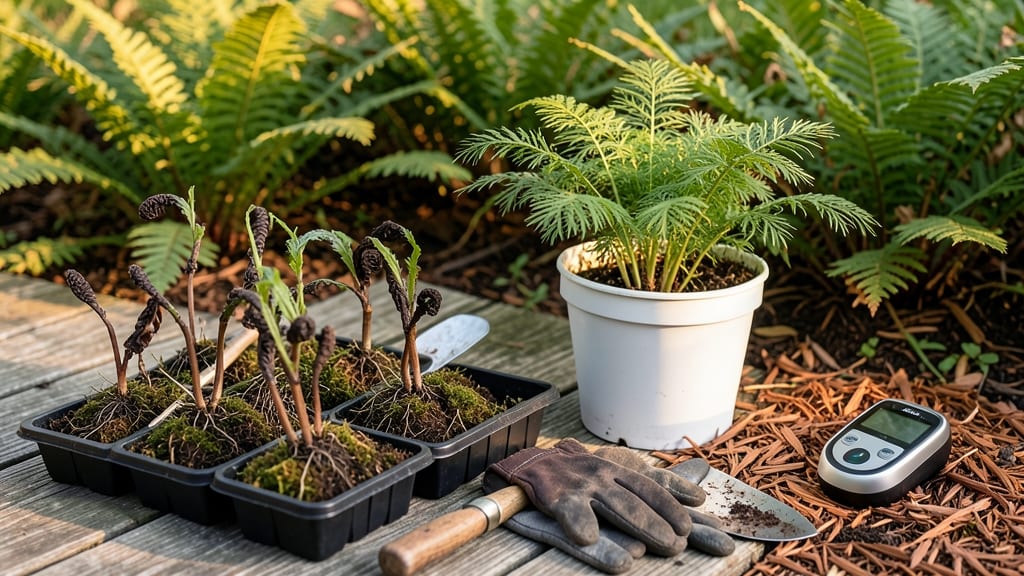
Timing your ferns just right in Michigan means the difference between lush, thriving 🌿 growth and struggling plants that never quite take off. Plant too early, and frost will nip them in the bud; too late, and they won’t establish strong roots before winter sets in.
For Michigan gardeners in zones 5b-6b, the sweet spot is late April to early May, when soil temperatures warm up and the risk of frost has passed. This window gives your ferns 6-8 weeks of growing season before summer heat arrives, setting them up for success.
But what if you missed spring? Don’t worry—early fall planting in September also works, as long as you choose cold-hardy varieties like Ostrich Fern or Christmas Fern. The key is preparing the soil right: rich, moist, and slightly acidic to mimic their natural woodland habitat.
I’ll walk you through the exact steps to plant your ferns for maximum growth, from soil prep to watering tips tailored for Michigan’s climate. Let’s get those fronds flourishing!
Best planting months for ferns in Michigan’s Zone 5B/6A climate
Michigan’s Zone 5B/6A climate means ferns need precise timing—too early, and frost zaps their tender roots; too late, and they’ll miss peak growing months. The sweet spot for planting ferns is late April to mid-May, after the last frost date (around April 15 in most regions).
This gives them 4-6 weeks of warm soil before summer heat arrives.
For those who prefer fall planting, aim for early September—this allows roots to establish before Michigan’s first frost (mid-October). Fall-planted ferns often thrive better because cooler temps reduce stress, and they enter dormancy with a stronger root system.
Just avoid planting after mid-September, or they may not have time to settle in.
Soil temperature is critical—ferns need at least 55°F soil to root properly. Use a soil thermometer to check; if temps are below 50°F, wait a week or two.
In northern Michigan (Zone 5B), this might push planting to early June, while southern Michigan (Zone 6A) can start as early as late April.
| Season | Best Planting Window | Soil Temp Requirement | Frost Risk |
|---|---|---|---|
| Spring | Late April–Mid-May | ≥ 55°F | Low (after last frost) |
| Fall | Early–Mid-September | ≥ 50°F | Moderate (before first frost) |
| Avoid | June–August | N/A | High stress (heat + drought) |
If you’re planting container-grown ferns, you have a bit more flexibility—containers warm up faster, so you can start 2-3 weeks earlier than in-ground planting. Just ensure pots have drainage holes and use well-draining potting mix to prevent root rot.
For bare-root ferns, soak roots in water for 1-2 hours before planting to revive them.
Michigan’s variable weather can throw off timing, so always check your local frost-free date (use the Michigan State University Garden Hotline or Almanac for updates). In 2024, some areas saw frost as late as May 10, so don’t rush—wait until nighttime temps stay above 40°F consistently.
For shade-loving ferns like Ostrich Fern or Lady Fern, spring planting is ideal because they thrive in cool, moist conditions. If you’re adding ferns to a woodland garden, plant in early spring to give them time to establish before summer drought sets in.
In contrast, drought-tolerant varieties like Autumn Fern can handle late spring planting better.
Pro tip: If you miss the spring window, don’t despair—fall planting still works if you choose cold-hardy varieties. Christmas Fern and Bracken Fern are excellent choices for Michigan’s climate because they tolerate light frost and can even survive Zone 4 winters with proper mulching.
Just avoid planting tropical ferns (like Boston Fern) in fall—they won’t survive our winters.
After planting, mulch heavily (2-3 inches of shredded bark or leaves) to retain moisture and regulate soil temperature. This is especially important in Michigan’s dry summers, where ferns can dry out quickly.
Water deeply 2-3 times per week for the first month to encourage root growth, then taper to weekly watering once established.
Remember, ferns are perennials—they’ll come back year after year if planted correctly. By choosing the right month and variety for Michigan’s climate, you’ll set them up for decades of lush, green growth with minimal fuss. Happy planting! 🌿
Best planting months for ferns in Michigan’s Zone 5B/6A climate
Michigan’s Zone 5b-6a climate means ferns need precise timing to thrive. The ideal window is late April to early May, when soil temperatures reach 50-60°F and frost risk drops below 10%. This gives your ferns 6-8 weeks of warm soil before summer heat arrives, ensuring strong root development.
If you miss spring, early September is your second chance. Planting then allows roots to establish before winter, but choose cold-hardy varieties like Christmas Fern or Ostrich Fern to survive Michigan’s first frost (mid-October). Avoid planting in June or July—the heat stresses young ferns before they can acclimate.
Here’s how Michigan’s frost dates impact your schedule:
| Season | Planting Window | Soil Temp | Frost Risk |
|---|---|---|---|
| Spring | Late April–Early May | 50–60°F | Low (<10%) |
| Fall | Early September | 60–65°F | Moderate (20%) |
| Avoid | June–July | 70°F+ | High (heat stress) |
For container-grown ferns, you can plant 1-2 weeks earlier in spring since pots warm faster. However, bare-root ferns need warmer soil (60°F+), so delay until late May.
Always check your local Michigan State University Extension frost map for precise dates—some northern regions may need to wait until mid-May.
Pro tip: Test your soil’s moisture retention before planting. Ferns hate soggy roots but also dry out quickly. Amend clay soil with peat moss or compost to improve drainage while keeping moisture levels consistent. In Michigan’s Zone 5b-6a, this prep is non-negotiable for survival.
Once planted, mulch heavily with 3–4 inches of shredded bark to retain moisture and regulate soil temperature. This is especially critical in Michigan’s hot summers and cold snaps, which can shock young ferns. Monitor for brown fronds—a sign of stress from inconsistent moisture or temperature swings.
With the right timing and soil prep, your ferns will establish vibrant growth by early summer, adding lush greenery to your shade garden. And if you time it right, you’ll even see new fronds unfurling by June—proof that Michigan’s climate can work in your favor! 🌿