
Plants
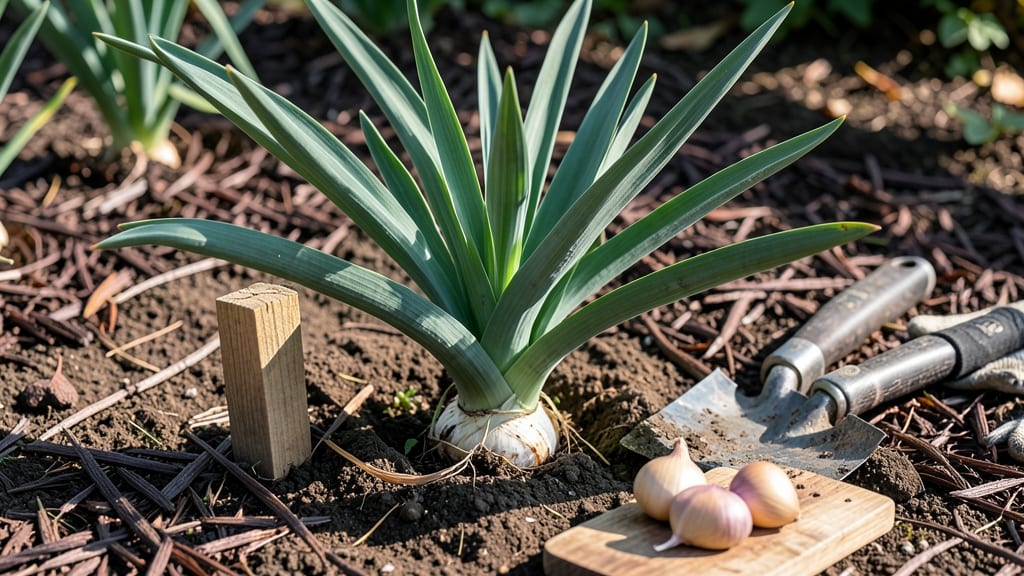
Planting garlic in Las Vegas during the wrong window can turn your hard work into a desert mirage—no harvest in sight. The key to success lies in timing it right, between October and November, when temperatures cool and the soil is ready for those cloves to take root.
Unlike cooler climates, Las Vegas's 9a zone demands precision—plant too early, and the heat will bolt your garlic before it bulbs. Too late, and you risk frost damage before it establishes.
I'll show you exactly how to nail the perfect planting window for both hardneck and softneck varieties in our unique desert conditions.
Most gardeners here make one critical mistake: ignoring soil prep and watering adjustments for our extreme climate. We'll cover how to modify your approach for Las Vegas's heat, from mulching techniques to irrigation schedules that actually work in the desert.
By the end, you'll know not just when to plant your 🧄, but how to give it the best shot at thriving through our long, hot summers. Let's make this your most successful garlic harvest yet.
Las Vegas garlic planting calendar: hardneck vs softneck timing differences
Las Vegas' USDA Zone 9a climate creates unique challenges for garlic growers. Unlike cooler regions, our mild winters and hot summers demand precise timing to prevent bolting or poor bulb development. Hardneck and softneck varieties have different needs, so understanding their ideal planting windows is crucial for success.
The key difference lies in how each variety responds to temperature shifts. Hardneck garlic requires cold vernalization (4-6 weeks below 50°F) to form bulbs properly, while softneck varieties are more adaptable but still benefit from cooler conditions.
In Las Vegas, this means planting before our first frost (December 1) but after soil temperatures drop below 70°F.
For hardneck varieties, aim to plant between October 15 and November 15 when daytime temperatures average 75°F but nights drop below 60°F. This gives cloves enough time to establish roots before winter sets in.
Popular choices like 'German Red' or 'Music' thrive under these conditions and produce those prized hardneck scapes.
Softneck garlic, such as 'Silverskin' or 'Artichoke', offers more flexibility. You can plant as early as mid-September or as late as mid-November, though earlier plantings yield larger bulbs. The trade-off? Earlier plantings may require more frequent watering during our cool, wet winters.
Las Vegas' microclimates add another layer of complexity. Gardeners in higher elevations (like Summerlin) can plant slightly later than those in lower desert areas (like Henderson). Monitor your local weather station for soil temperature trends—when it consistently stays below 70°F at 4-inch depth, it's time to plant.
Pro tip: Use a soil thermometer to verify conditions. If temperatures hover around 75°F or higher, wait another week. Planting too early in warm soil can cause cloves to sprout prematurely and weaken before winter chilling occurs.
Remember that Las Vegas' frost-free period averages 240 days, meaning garlic has plenty of time to mature if planted correctly. The real challenge is avoiding spring heat, which can cause bolting before bulbs fully develop.
For those who miss the ideal window, don't despair—December plantings can still work, especially for softneck varieties. Just expect smaller bulbs and be vigilant about weed competition during the cooler months.
🌱
How to adjust garlic planting for Las Vegas heat and soil conditions
Las Vegas's desert climate creates unique challenges for garlic growers. The extreme heat during summer and our alkaline soil (often pH 7.5-8.5) can stress garlic plants if not properly managed. I've learned through trial and error that soil preparation and irrigation strategies are just as critical as planting timing.
Most gardeners here focus only on when to plant but overlook how our sandy, nutrient-poor soil affects root development. Without proper amendments, your garlic cloves will struggle to establish the strong root systems needed for bulb formation.
The solution? Start with a 4-6 inch deep planting bed enriched with composted manure or well-rotted compost mixed into the topsoil.
Here's my proven method for Las Vegas soil prep: blend equal parts native soil, compost, and sand to improve drainage while retaining moisture. Add a handful of bone meal for phosphorus—garlic's favorite nutrient—for stronger roots. This mix creates the ideal loamy texture our desert soil lacks naturally.
🌱 Las Vegas Garlic Care Essentials
- Soil pH: 6.0-7.0 (use sulfur to lower alkaline levels)
- Watering: Deep soak every 7-10 days (never let soil dry completely)
- Mulch: 3-4 inches of straw to retain moisture and regulate temperature
- Shade: 30% shade cloth during summer months (May-July)
Pro Tip: Test your soil before planting—Las Vegas gardens often need sulfur to correct alkaline conditions.
Watering garlic in our climate requires a different approach than in cooler regions. Most gardeners make the mistake of watering lightly and frequently, which leads to shallow roots and poor bulb development.
Instead, I recommend deep watering every 7-10 days—enough to moisten the soil 12 inches deep. This encourages roots to grow downward where moisture persists.
During the critical bulb formation stage (February-April), increase watering to every 5-7 days. Look for the soil to feel moist but not soggy—garlic hates waterlogged conditions. A simple test is to stick your finger 2 inches down; if it feels dry, it's time to water.
Morning watering is best to prevent fungal diseases that thrive in our warm nights.
Las Vegas's summer heat can be deadly for garlic plants still in the ground. If you notice leaves turning yellow or plants wilting by midday, it's time to provide afternoon shade. I use 30% shade cloth during May-July to protect plants while they're most vulnerable.
Remove the shade in August as temperatures begin to cool—your garlic will appreciate the extra sunlight for late-season growth.
One final tip: never skip the mulch layer. Apply 3-4 inches of straw mulch after planting to lock in moisture and regulate soil temperature. This simple step can mean the difference between a thriving garlic patch and one that struggles through our hot summers.
With these adjustments, your garlic will establish strong roots, develop plump bulbs, and survive our unique desert conditions.