Plants
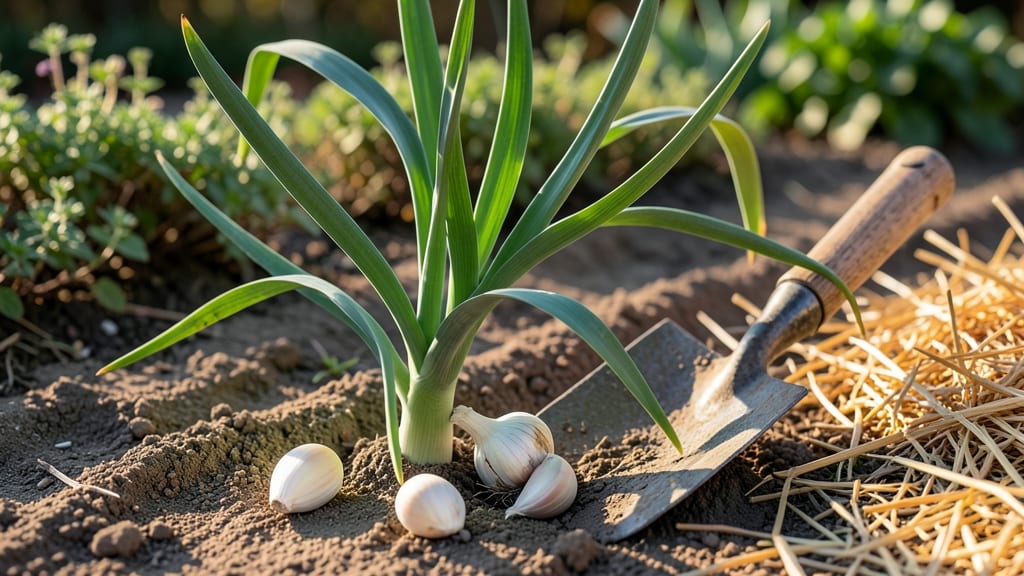
Planting garlic in Zone 10a during the wrong season can turn your 🧄 harvest into a flop—no matter how much care you put in afterward. Unlike colder climates, the key here isn’t just timing but avoiding that brutal summer heat that’ll send your bulbs bolting before they even form.
In Southern California’s mild winters, the best months to plant garlic stretch from October through January, giving roots time to establish before temperatures rise. This isn’t just about calendar dates—it’s about letting your garlic develop strong, heat-resistant bulbs before the real challenge begins.
I’ve learned the hard way that planting too early or too late in Zone 10a can mean the difference between a bountiful harvest and wasted effort. Whether you’re a coastal gardener or tucked into the Phoenix outskirts, the right timing—and a few smart tricks—will make all the difference.
Let’s break down exactly when to plant, how to prep your soil, and which varieties hold up best in this tricky climate. Your future garlic feast depends on it.
Optimal planting months for Zone 10a garlic with heat resistance
In Zone 10a, where winters are mild and summers scorching, timing your garlic planting between October and January is critical. Unlike colder zones, Zone 10a’s lack of frost means garlic can grow year-round—but the key is avoiding summer heat stress, which causes bolting (premature flowering) and weak bulbs.
My recommended window is mid-November to December, when soil temps drop below 75°F. This gives roots time to establish before summer’s heat arrives. Coastal areas like San Diego can plant slightly later, while inland Phoenix outskirts should plant earlier to escape extreme summer temps.
Here’s why these months work best for Zone 10a garlic:
| Month | Soil Temp Ideal | Risk Level | Notes |
|---|---|---|---|
| October | 65–75°F | Low | Early start; best for inland areas. |
| November | 60–70°F | Moderate | Sweet spot for coastal and inland. |
| December | 55–65°F | Low | Best for coastal areas; slower growth. |
| January | 50–60°F | High | Risk of heat stress by spring; use mulch. |
Planting in September is possible but risky—soil may still be too warm, leading to bolting. If you miss the October-January window, consider container gardening to control soil temps or opt for heat-tolerant varieties like 'Silverskin'.
Pro tip: Use a soil thermometer to confirm temps are below 75°F before planting. Inland areas should aim for November, while coastal zones can stretch to early January.
After planting, mulch heavily with straw or wood chips to insulate roots from summer heat. This mimics the cooling effect of Zone 10a’s winter rains but without the frost risk.
Remember, garlic needs 6–8 months to mature in Zone 10a. Planting too late means bulbs won’t fully develop before summer’s heat sets in, resulting in small, pungent cloves instead of plump harvests.
For hardneck varieties (like 'German Red'), aim for November to ensure scapes appear in spring before heat stress kicks in. Softneck varieties (like 'Artichoke') are more forgiving but still benefit from early planting.
If you’re in Zone 10a’s transition areas (e.g., Los Angeles outskirts), err on the side of earlier planting. These microclimates can swing from mild winters to 90°F+ summers, making timing even more critical.
🌱
Optimal planting months for Zone 10a garlic with heat resistance
In Zone 10a, where summers can hit 90°F+, timing garlic correctly means the difference between plump bulbs and sad, bolted stalks. The sweet spot is planting between mid-October and January, when soil temps stay below 75°F—critical for root development before summer’s heat arrives.
Coastal areas like San Diego can plant slightly earlier (late September), while inland spots like Phoenix outskirts should wait until November to avoid premature bolting. This window gives bulbs 6-8 months of cool growth before summer stress.
🌱 Pro Tip: Use a soil thermometer—ideal planting temps are 60-70°F. Warmer soils speed up growth but risk bolting.
| Month | Soil Temp | Best For | Risk Level |
|---|---|---|---|
| September | 75-85°F | Coastal areas only | High bolting risk |
| October | 65-75°F | Optimal for most | Low risk |
| November | 60-70°F | Best inland timing | Very low risk |
| December | 55-65°F | Safe late planting | None |
| January | 50-60°F | Last chance | None |
Planting in February or later delays bulb formation, leaving garlic vulnerable to summer heat before it matures. Even January plantings may need shade cloth by spring to prevent bolting.
For coastal gardeners, microclimates matter—plant near south-facing walls to capture winter sun, while inland gardeners should prioritize well-draining soil to prevent heat stress.
🌡️ Key Insight: Garlic planted in November typically yields larger bulbs than January plantings, thanks to longer cool-season growth.