
Plants
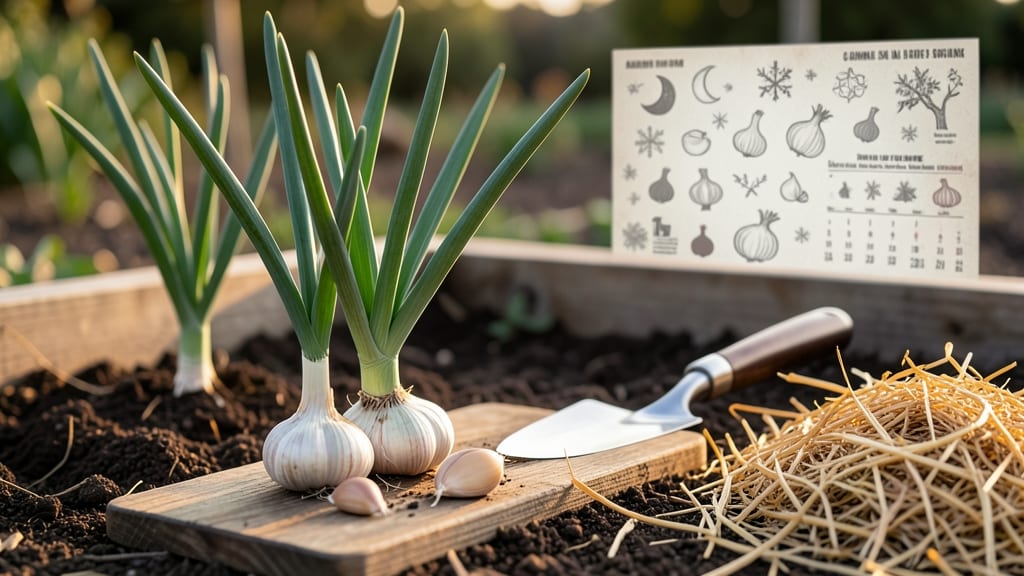
Planting garlic in Upstate New York isn't just about timing—it's about surviving the brutal winters and short growing season to get that perfect 🧄 harvest. If you miss the ideal window, you could end up with weak bulbs or no harvest at all.
The key to success lies in knowing exactly when to plant, whether you're growing hardneck or softneck varieties, and how to prepare your soil for the cold.
For most gardeners in zones 5b-6b, the best time to plant garlic is between late September and mid-October, giving the cloves time to root before the ground freezes. But if you're a spring planter, early March works too—just be ready to adjust for unpredictable weather.
I’ll break down the exact steps to ensure your garlic thrives, even when Upstate New York throws a curveball with early frosts or late snows.
Why does this matter? Because garlic grown in the right window produces larger, more flavorful bulbs—something every home gardener wants. Whether you're a beginner or a seasoned grower, these tips will help you avoid common mistakes and get the highest yield possible.
Let’s dive into the details so you can start planting with confidence.
From soil prep to variety selection, I’ll cover everything you need to know to make this growing season your most successful yet. No more guesswork—just proven strategies tailored for Upstate New York’s unique climate. Ready to grow garlic like a pro?
Best planting months for hardneck garlic in Upstate New York’s climate zones
Upstate New York’s USDA zones 5b-6b create a unique challenge for garlic growers. The key to success lies in planting hardneck garlic during a precise window when soil temperatures drop to 40–50°F—typically late September to mid-October.
This timing ensures bulbs establish roots before winter dormancy while avoiding early frosts that can damage young plants.
For gardeners in the Adirondacks, aim for October 1–15, while those in the Finger Lakes or Mohawk Valley can extend planting until mid-November. The goal is to give garlic 4–6 weeks of root growth before the ground freezes.
Spring planting is possible but riskier, with early March being the absolute latest cutoff.
Why this timing? Garlic needs cold vernalization (a winter chill period) to form bulbs. Planting too early risks rot from excess moisture, while late planting may leave bulbs too small by harvest. Upstate NY’s short growing season (just 165 frost-free days) demands this precision.
🌱
| Region | Best Planting Window | Soil Temp Threshold | Key Consideration |
|---|---|---|---|
| Adirondacks (Zone 5b) | October 1–15 | 40–45°F | Early frost risk; prioritize root establishment |
| Finger Lakes (Zone 6a) | October 15–November 1 | 45–50°F | Longer growing season; can plant slightly later |
| Mohawk Valley (Zone 5b-6b) | October 1–November 10 | 40–50°F | Microclimates vary; monitor local frost dates |
| Spring Backup (All Regions) | Early March (high risk) | 45–55°F | Smaller bulbs; requires extra care |
To determine your exact planting date, check your local last frost date (typically mid-November in Upstate NY). Count backward 6 weeks from that date—this is your planting deadline.
For example, if frost hits November 15, plant by October 1. Use a soil thermometer to confirm temperatures are below 50°F at 4-inch depth.
Pro tip: Plant hardneck varieties like ‘Music’ or ‘German White’ in well-draining soil with compost added for better cold tolerance. These varieties thrive in Upstate NY’s climate, producing large, flavorful bulbs despite the short season.
If you miss the fall window, don’t despair—spring planting in early March can still work, but expect smaller yields. The trade-off is avoiding winter soil compaction and pests. Just be prepared to mulch heavily to protect young shoots from late frosts.
For gardeners in higher elevations (e.g., Lake Placid), plant 2 weeks earlier than the general guideline. These areas experience earlier frosts and shorter growing seasons. Always adjust based on your microclimate—a sheltered south-facing bed may stay warm longer than an exposed north-facing plot.
🌿
Test your soil’s readiness by pushing a garlic clove into the ground—if it stays upright without sinking, the soil is firm enough. Aim for 2 inches deep, with the pointy end up.
Space cloves 4–6 inches apart in rows 12 inches apart to allow airflow and reduce disease risk. This spacing also makes harvesting easier in July when bulbs mature.
Remember: Upstate NY’s hardneck garlic needs cold stratification to form scapes and bulbs. Planting at the right time ensures you’ll enjoy homegrown garlic with robust flavor—perfect for braiding and storing through winter.
With these timing tips, you’ll beat the odds and harvest plump, papery-skinned bulbs despite the challenges of the region.
How to adjust planting timing for Upstate NY’s unpredictable weather
Upstate New York’s weather can throw off even the most experienced gardener—early frosts, late snows, or unexpected warm spells can all disrupt your garlic planting schedule. The key is flexibility. If you miss the ideal October window, don’t panic.
Spring planting is a viable backup, though yields may be smaller. The goal is to get cloves into 40–50°F soil before dormancy sets in.
Monitor your local frost dates closely. In the Finger Lakes, the last frost typically hits by mid-November, while the Adirondacks may see frost as early as late October. Plant garlic 4–6 weeks before the first hard freeze to allow roots to establish.
Use a soil thermometer to confirm temperatures—below 40°F signals it’s time to mulch heavily or delay planting until spring.
If an early frost threatens, cover newly planted cloves with straw or leaves (4–6 inches thick) to insulate them. This creates a microclimate that protects young roots until soil temperatures stabilize.
In my garden near Syracuse, I’ve used this trick to salvage late-October plantings when temperatures plunged to 28°F—the garlic survived with no damage.
For spring planting, aim for early March once soil temperatures rise above 40°F. This gives bulbs 12–14 weeks of growth before summer heat slows them down. However, spring-planted garlic often produces smaller bulbs with fewer cloves, so prioritize this method only if fall planting is impossible.
Unpredictable weather?
Use this backup timeline: - Late September: Plant if soil is workable (ideal). - October 1–15: Last chance for fall planting in most of Upstate NY. - October 16–31: Only plant in warmer microclimates (e.g., sheltered beds). - November 1+: Switch to spring planting or store cloves in a cool, dark place until March.
🌱 Pro Tip: Keep a planting journal for 2–3 years to track your local frost patterns. Note when cloves sprout, how deep mulch protected them, and how spring-planted garlic performed. This data will help you fine-tune your schedule for future seasons.
Watch for False Springs!
Upstate NY’s unpredictable warm spells in late winter can trick garlic into sprouting too early. If cloves emerge before soil temps drop below 32°F, they’ll freeze and rot. Prevent this by:
- Planting after the last frost date (even if soil is cold).
- Using black plastic mulch to warm soil faster in spring.
- Avoiding early spring fertilizing—it encourages tender growth vulnerable to frost.
🌡️ Critical: If temps drop below 20°F after planting, protect garlic with row covers or thick mulch immediately.
In Syracuse, Albany, or Buffalo, local weather patterns vary. For example, Buffalo’s lake-effect snow can delay planting by weeks, while the Hudson Valley’s milder winters allow later fall plantings.
Check your USDA Zone 5b–6b specifics and adjust accordingly. If you’re unsure, err on the side of planting earlier—garlic tolerates cold better than heat.
Finally, consider container growing if your yard’s microclimate is unreliable. Pots can be moved to sheltered spots or brought indoors during extreme weather. Just ensure containers have drainage holes and use a lightweight potting mix to prevent waterlogging during Upstate NY’s heavy spring rains.