
Plants
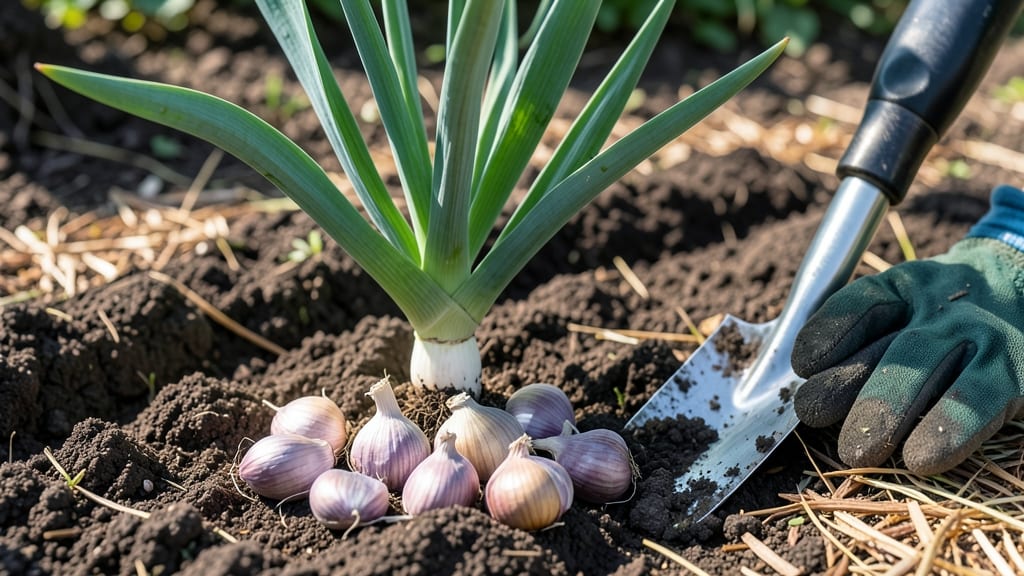
Planting your 🧄 garlic at the wrong time in Virginia could mean the difference between a harvest of plump, flavorful bulbs and a disappointing patch of small, pungent cloves.
The key to success? Timing it just right—between late September and mid-October, when the soil is cool but still workable before winter sets in.
Virginia’s 7a-8b climate zones create unique challenges, but with the right schedule, you can grow hardneck or softneck varieties that thrive year after year.
Whether you're a seasoned gardener or just starting, understanding when to plant garlic in VA ensures your bulbs develop properly over the winter and are ready for harvest next summer.
I’ll walk you through the exact planting window, soil prep tips, and how to adjust for Virginia’s unpredictable weather. By the end, you’ll know exactly when to get those cloves in the ground for the strongest, most flavorful harvest possible.
Ready to grow garlic that rivals store-bought? Let’s dive into the month-by-month guide that’ll set you up for success—no guesswork required.
Best months to plant garlic in Virginia for maximum yield
Virginia’s USDA Zones 7a-8b create a unique window for garlic planting that differs from northern or southern neighbors. Unlike many vegetables, garlic thrives when planted in late fall—specifically between October and January—allowing it to establish roots before winter dormancy.
This timing ensures strong bulb development by next summer, but getting it wrong can leave you with stunted or weak harvests.
Hardneck varieties, like ‘Music’ or ‘German White’, need cold vernalization (40-50°F soil temps) to form bulbs, making them ideal for Virginia’s winters. Softneck types, such as ‘Silverskin’ or ‘Artichoke’, are more flexible but still benefit from early planting.
The key is to plant 4-6 weeks before the ground freezes—usually by mid-November in most of Virginia.
Regional differences matter too. In Northern Virginia (Zone 7a), aim for October planting to avoid early frosts. Coastal areas like Tidewater (Zone 8a) can extend planting into early November due to milder winters. The Piedmont region falls in between, with late October being the sweet spot for most gardeners.
Here’s how Virginia’s climate zones break down for optimal planting:
| Region | Best Planting Window | Key Consideration |
|---|---|---|
| Northern VA (Zone 7a) | Late September–Mid-October | Early frost risk; plant before ground freezes |
| Piedmont (Zone 7b) | Late October–Early November | Moderate winters; flexible timing |
| Coastal/Tidewater (Zone 8a) | Early October–Early November | Milder winters; can plant later |
| All Regions (Backup) | January (for softnecks only) | Risky for hardnecks; use only if missed fall window |
Soil temperature is your best guide. Use a soil thermometer to confirm temps are below 50°F but not frozen. In Virginia, this typically happens by mid-November, but urban heat islands or microclimates can shift this by 1-2 weeks.
For example, Richmond’s urban areas may stay warmer longer than nearby rural fields.
Hardneck garlic needs cold exposure to form scapes and bulbs, while softnecks are more adaptable. If you’re unsure which variety to plant, hardnecks are the safer bet for Virginia’s climate, offering both bulbs and scapes for harvest. Start with 2-3 varieties to test what thrives in your specific microclimate.
Pro tip: Plant garlic 2 inches deep and 4-6 inches apart in well-draining soil with a pH of 6.0-7.0. Amend heavy clay soils with compost or sand to prevent waterlogging, which can rot cloves before they even sprout.
Mulch heavily with straw or leaves after planting to insulate roots during winter fluctuations.
Missed the fall window? Don’t panic. Softneck garlic can tolerate January planting in Virginia’s milder zones, though yields may be smaller. Hardnecks planted after January rarely form proper bulbs, so prioritize fall for these varieties.
If you’re in Zone 8a (Coastal VA), you might even squeeze in a spring planting, but expect slower growth and weaker bulbs.
Remember, garlic grows best with 6+ hours of sunlight daily and consistent moisture during its active growing season (spring and early summer). Plan your bed location now—garlic planted in full sun will produce 30-50% larger bulbs than shade-grown plants.
Mark your calendar for October 15th as your target deadline for most of Virginia!
How to adjust planting timing for Virginia’s unique climate challenges
Virginia’s 7a-8b climate zones bring unique challenges to garlic planting, like late frosts in the Piedmont or mild winters along the Coastal Plain. These variations can throw off your planting schedule if you’re not prepared.
The key is flexibility—knowing how to adjust for unpredictable weather and regional differences ensures your garlic still thrives.
For example, gardeners in Northern Virginia (like Loudoun County) often face earlier frosts, while those in Southside Virginia (like Suffolk) might experience milder winters. Hardneck varieties, which need cold vernalization, are particularly sensitive to timing.
Planting too late—after mid-November—can stunt bulb development, while planting too early (before soil temperatures drop below 50°F) risks rot.
Here’s how to troubleshoot common issues: If you miss the ideal October window, you can still plant in early November, but add extra mulch (4–6 inches) to insulate the soil.
For urban gardeners with limited space, raised beds warm up faster in spring, giving you a slightly extended window to plant.
Another trick? Use row covers in late winter to protect young shoots from late frosts (common in March). This buys you time for hardneck varieties to establish before the heat of summer.
Just remember: Softneck garlic is more forgiving and can handle slightly later plantings if the soil is still workable.
⚠️ Common Mistakes to Avoid
- Planting hardneck garlic after mid-November – Bulbs won’t develop properly without sufficient cold.
- Ignoring soil temperature – Wait until soil is below 50°F but still workable (not frozen).
- Skipping mulch in winter – Protects cloves from freeze-thaw cycles that can heave them out of the ground.
- Overwatering in spring – Leads to rot when soil is cold and slow to drain.
Pro Tip: Test your soil’s readiness by pressing your finger into it—if it’s firm but not frozen, it’s time to plant.
If you’re in a warmer microclimate (like the Coastal Plain), consider planting softneck varieties in late fall or even early spring for a second harvest. Just be prepared for smaller bulbs if you deviate from the traditional schedule.
The goal? Balance cold exposure with soil stability—no matter where you garden in Virginia.
For urban gardeners, container planting is a great workaround. Use pots with good drainage and plant in October, then move containers to a sheltered spot over winter. This gives you control over soil temperature and protection from unpredictable city weather swings.
Ultimately, the best adjustment tool is observation. Keep an eye on your local frost dates (check the Virginia Cooperative Extension for updates) and adjust your schedule by 1–2 weeks earlier or later as needed.
With these tweaks, you’ll turn Virginia’s climate quirks into opportunities for a bountiful garlic harvest.