
Plants
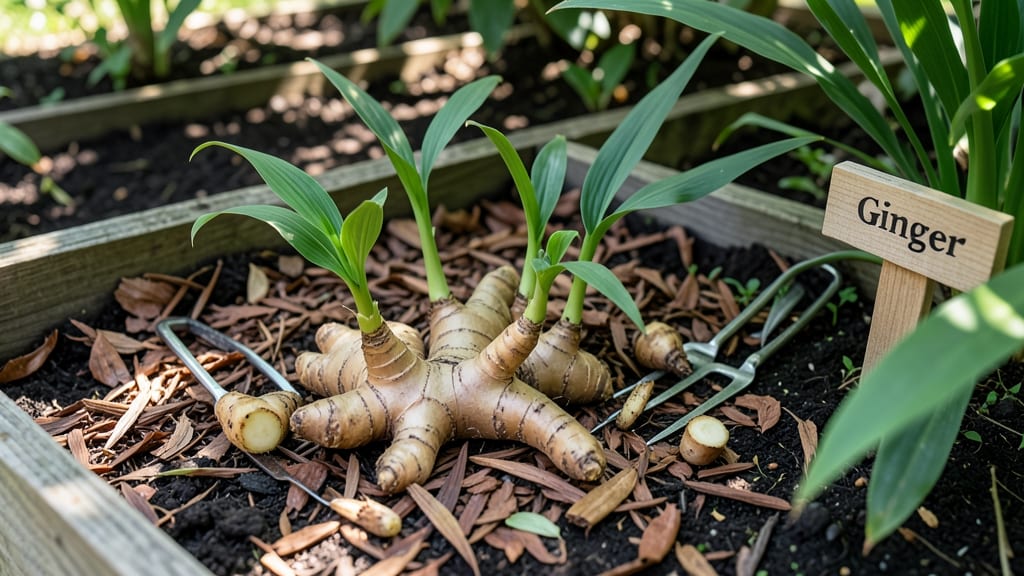
Planting ginger in North Carolina at the wrong time can turn your 🌿 ginger dreams into a soggy, frost-bitten mess—but get the timing right, and you're looking at a bountiful harvest of spicy rhizomes by fall.
The key isn't just avoiding frost; it's aligning with your region's unique climate quirks, whether you're in the Piedmont's rolling hills or the Coastal Plain's humid embrace.
Most gardeners swear by spring planting, but fall offers a surprising second chance—if you play it smart.
I've tested both seasons in USDA zones 6b-8a, and the results speak for themselves: the right window can mean the difference between stunted growth and a thriving patch ready for harvest in 10-12 months.
Here's the game-changer: coastal NC's milder winters let you push planting later than inland areas, while the Piedmont's cooler nights demand earlier starts.
I'll break down the exact months to plant for zero-frost success, plus pro tips to extend your growing season if needed—because in NC, timing isn't just about the calendar, it's about the microclimate.
Ready to stop guessing and start growing? Let's dive into the best months for planting ginger in your corner of North Carolina, so you can enjoy fresh rhizomes straight from your garden—no more store-bought shortcuts needed.
Best months to plant ginger in North Carolina for maximum growth
North Carolina’s humid subtropical climate creates perfect conditions for growing ginger rhizomes, but getting the planting timing right is critical. Unlike many tropical plants, ginger thrives in NC’s USDA zones 7b-8a, but it needs warm soil to establish roots.
The best windows are early spring (March-April) and late summer (September-October), aligning with soil temperatures above 60°F (15°C).
Spring planting gives ginger 10-12 months to mature before winter, while fall planting lets it establish roots before cooler temperatures slow growth. Coastal NC areas (like Wilmington) can plant 1-2 weeks earlier than Piedmont regions (Raleigh/Charlotte) due to milder winters.
Always check your last frost date—coastal NC averages March 15, while inland areas may see frost until April 1.
Here’s how to match your region’s microclimate for optimal ginger growth:
For spring planting, aim to get rhizomes in the ground by April 15 to ensure they establish roots before summer heat. In fall, plant by October 15 to allow 3-4 months of growth before first frost (typically November 15).
If you’re in a cooler microclimate (elevations >1,000 ft), delay spring planting until mid-April to avoid early frost damage.
Ginger rhizomes need consistent warmth to sprout, so avoid planting when nighttime temperatures dip below 55°F (13°C). In Piedmont NC, this often means waiting until after Easter, while coastal areas can plant as early as mid-February under row covers.
Always monitor 7-day forecasts for unexpected cold snaps—ginger is not frost-tolerant at any stage.
One common misconception is that ginger can handle NC’s summer heat without extra care. While it tolerates high temperatures, mulching with straw keeps roots cool and retains moisture during 90°F+ days.
In dry summers (like 2023), supplement with 1 inch of water weekly to prevent rhizome shrinkage. Coastal areas with high humidity may need less frequent watering to avoid fungal issues.
If you’re growing ginger in containers, plant in May to extend the season—pots warm up faster than garden beds. Use a fast-draining potting mix with perlite to prevent root rot, and move containers to partial shade during peak afternoon sun in summer.
Container-grown ginger often yields smaller rhizomes but is ideal for small spaces or balconies.
For maximum harvest size, prioritize spring planting—ginger needs 10-12 months to develop 2-3 inch rhizomes. Fall-planted ginger may only reach 1 inch before winter, but it’s still edible.
To extend your growing season, use black plastic mulch in spring to warm soil 2-3 weeks earlier, or plant under cold frames in fall for a 2-month head start.
Always choose organic, disease-free rhizomes from reputable suppliers—avoid grocery store ginger, which is often treated to prevent sprouting. Soak rhizomes in lukewarm water for 6 hours before planting to hydrate and soften the skin, improving germination rates.
Plant 2 inches deep with the bud-side up (small bumps indicate where shoots will emerge).
By aligning your planting with NC’s microclimates and soil temperatures, you’ll avoid the #1 mistake of NC gardeners: planting too early and risking frost damage. With the right timing, your ginger will thrive year-round in North Carolina’s diverse growing zones! 🌱
Best months to plant ginger in North Carolina for maximum growth
North Carolina’s humid subtropical climate creates perfect conditions for growing ginger, but timing is everything. The ideal planting windows are March-April for spring and September-October for fall, aligning with soil temperatures above 60°F (15°C). This ensures strong root establishment before summer heat or winter frost arrives.
Ginger thrives in USDA zones 7b-8a, which covers most of North Carolina. However, microclimates matter: Coastal areas (like Wilmington) have earlier last frosts (February-March), while the Piedmont (Raleigh, Greensboro) typically sees frost until mid-March. Always check your local frost-free date to avoid planting too early.
🌱 North Carolina Ginger Planting Timeline
| Season | Best Planting Months | Soil Temp Requirement | Notes for NC |
|---|---|---|---|
| Spring | March-April | 60°F+ (15°C+) | Avoid planting before last frost; Coastal NC can plant 2-3 weeks earlier |
| Fall | September-October | 60°F+ (15°C+) | Plant 8-10 weeks before first frost; Piedmont areas should plant in early September |
| Alternative | February (Coastal) / May (Piedmont) | 60°F+ (15°C+) | Riskier due to heat/cold; only for experienced growers with protection |
Spring planting gives ginger 10-12 months to mature before harvest, while fall planting allows for earlier harvests the following year. For Coastal NC growers, you can push spring planting to late February if you use row covers for early frost protection.
In the Piedmont region, wait until mid-April to ensure no late frosts damage young shoots.
Ginger rhizomes need warm soil to sprout, so avoid planting when ground temperatures are below 60°F (15°C). Use a soil thermometer to check—plant only when readings consistently stay above this threshold for at least 5 days.
In sandy soils (common in Eastern NC), warm up faster, while clay soils (Western NC) may need black plastic mulch to raise temperatures.
If you miss the ideal windows, don’t panic! Ginger can tolerate light frosts if established, but young plants are vulnerable. For late spring plantings, use shade cloth during summer to prevent stress. Fall plantings after October 15th may not mature fully before winter, so prioritize September for best results.
Pro tip: In North Carolina’s hot summers, ginger benefits from partial shade (especially in the afternoon). If planting in full sun, mulch heavily to retain moisture and cool roots.
The key to success is balancing warm soil, consistent moisture, and protection from extremes—whether heat or frost.