
Plants
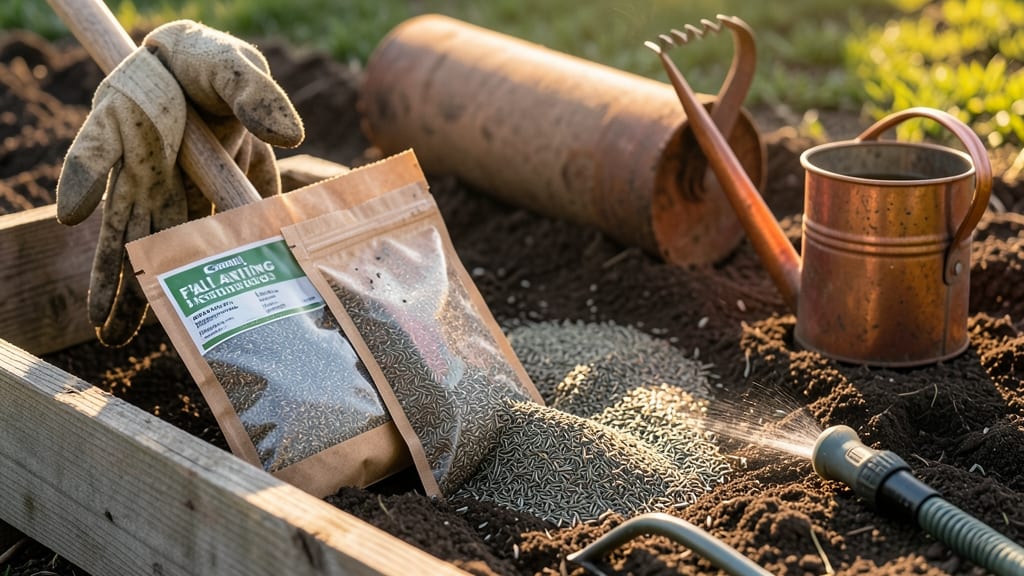
Planting grass seed in the fall isn't just a seasonal chore—it's your best shot at lush, resilient turf before winter sets in. The key? Timing it just right, 4-6 weeks before that first frost hits your area.
Cooler temperatures and fewer weeds make fall the perfect window for grass to establish strong roots before dormancy kicks in. But miss the mark, and you risk weak growth or even winter kill. I’ll walk you through the exact steps—from soil prep to post-planting care—to ensure your lawn thrives.
Whether you're in USDA Zone 6a or another region, this guide covers everything you need to know. No guesswork, just actionable tips for a thicker, greener lawn next spring. Let’s get started.
Skip the trial-and-error—learn the 6-week rule and other pro secrets that make fall planting foolproof. Your future lawn will thank you.
The 6-Week pre-frost rule: exact timing for fall grass seed planting
Fall planting gives grass seed the perfect head start—cool air and warm soil create ideal conditions for germination. But timing is everything. Plant too early, and weeds steal your lawn's spotlight.
Too late, and frost zaps young roots before they establish. The 6-week pre-frost rule is your golden ticket to a thick, resilient lawn by spring.
This rule means counting back 42 to 48 days from your area's average first frost date. For example, if frost hits October 15th in your zone, aim to plant by September 1st.
Check your USDA hardiness zone—zones 5-8 get the best results with fall planting, while zones 9-10 can extend planting into November or December.
Why does this rule work? Grass seeds need 50-60°F soil temperatures to germinate. Fall's cooling air helps prevent fungal diseases while keeping soil warm enough for roots to grow. By establishing roots before winter, your grass will outcompete weeds and bounce back faster in spring.
🌱
Fall Planting Timeline by USDA Zone
| USDA Zone | First Frost Date | Planting Window | Soil Temp Goal | Key Tip |
|---|---|---|---|---|
| 3-4 | Mid-September | August 15 - September 15 | 50-55°F | Use cold-hardy blends |
| 5-6 | Late October | September 1 - October 15 | 55-60°F | Ideal for cool-season grasses |
| 7-8 | November 15 | September 15 - November 1 | 60-65°F | Extend to early November |
| 9-10 | December 15 | October 15 - December 1 | 65-70°F | Use warm-season blends |
Pro Tip: Check your local NOAA frost date for precise timing. Adjust 1-2 weeks earlier if your fall is unusually warm.
To find your exact planting window, start with the NOAA frost date calculator for your city. For example, Chicago (Zone 5b) typically sees frost around October 20th, so planting between September 1st and October 10th gives seeds 6 weeks to establish roots before winter dormancy.
Regional variations matter. In Southern California (Zone 10a), you can plant until December 1st because frost is rare. Meanwhile, New England (Zone 4a) gardeners should seed by September 15th to avoid early freezes. Always err on the earlier side—you can't rush root growth, but you can outpace weeds.
One common mistake is relying on calendar months instead of frost dates. For instance, planting in late October in Zone 6 might mean frost hits before seeds germinate. Use a lawn thermometer to confirm soil temps are 50°F+ before seeding. If temps drop below 40°F, germination stops until spring.
For overseeding existing lawns, follow the same 6-week rule but add 2-3 weeks earlier to account for slower establishment in shaded or compacted areas. Thin grass can also compete with new seeds, so mow your lawn short (1.5-2 inches) before seeding to improve contact between soil and seed.
💧
How to prepare soil and seed for maximum fall germination success
Fall planting gives grass seed a head start on root growth before winter dormancy. The key? Preparing soil and seeds correctly to ensure 90%+ germination before the ground freezes.
Start by testing your soil pH—most grasses thrive in 6.0 to 7.0 range. If your soil is too acidic, add lime 4-6 weeks before planting.
Next, aerate compacted soil to improve water and nutrient absorption. Use a core aerator to pull small plugs of soil, creating channels for roots to penetrate deeply. This step is especially critical if your lawn has thatch buildup over ½ inch thick, which can suffocate new seedlings.
Selecting the right grass seed blend is just as important as soil prep. For fall planting, opt for cool-season grasses like tall fescue, fine fescue, or ryegrass, which germinate quickly in 50–70°F soil temps.
Avoid warm-season grasses (e.g., Bermuda, Zoysia)—they struggle in cooler fall conditions and may not survive winter.
Once you’ve prepped your soil and chosen your seed, spread evenly using a broadcast spreader for full coverage. Aim for ½ pound of seed per 100 square feet—this ensures dense germination without overcrowding.
After spreading, lightly rake seeds into the soil (¼ inch deep) to create ideal contact with moisture and warmth.
Finally, water immediately after planting to settle seeds into the soil. Keep the top 2 inches of soil moist (not soggy) for the first 2–3 weeks to encourage germination.
Morning watering is best—it reduces fungal risks and allows foliage to dry before evening. With these steps, your grass will establish strong roots before winter sets in.