
Plants
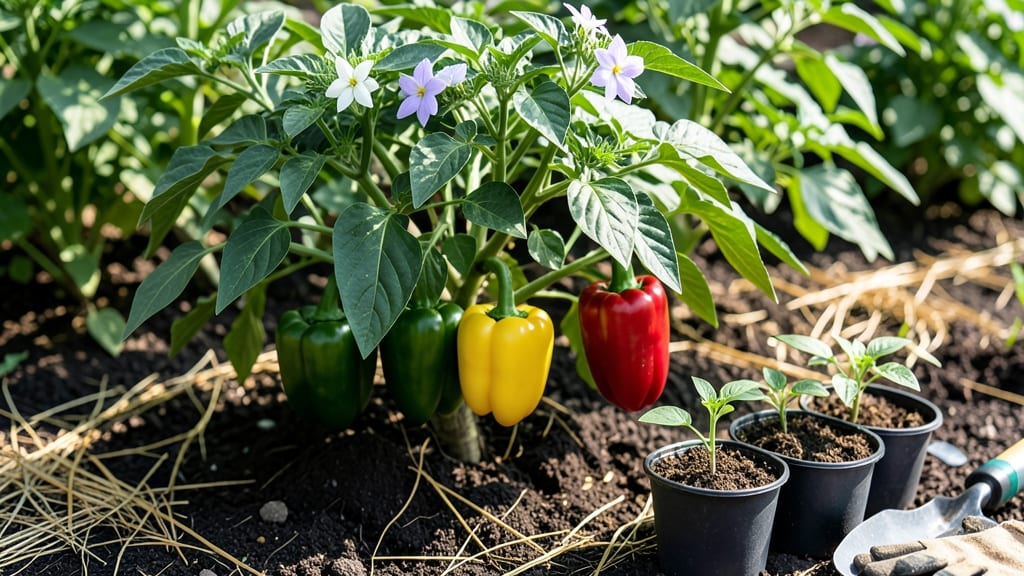
Planting bell peppers 🌶️ in Southern California at the wrong time means wilting vines and bitter fruit—or worse, no harvest at all. The key isn’t just avoiding frost (there isn’t much here), but beating the 100°F+ summers that turn tender plants into crispy snacks.
I’ve learned the hard way which months actually work, and the secret lies in two critical windows that most gardeners miss.
If you’ve ever stared at your withering pepper plants in July and wondered why they’re struggling, it’s not your soil—it’s the timing. Southern California’s microclimates (coastal vs. inland) create two distinct planting seasons, and getting them wrong can mean the difference between a bountiful harvest and a sad, shriveled failure.
Here’s exactly when to start seeds indoors and when to transplant outdoors for peak results.
For coastal areas (like USDA Zone 10a-11), the sweet spot is February-March for spring crops, while inland deserts (Zone 9b) can push it to March-April. But the real game-changer? A fall crop in July-August that thrives before summer’s worst heat hits.
I’ll break down the exact calendar, plus how to prep your soil and choose heat-resistant varieties that actually survive SoCal’s brutal summers.
You’ll also discover why shade cloth is your best friend in August, how to water without drowning your plants, and which companion plants keep pests at bay.
By the end, you’ll have a foolproof schedule that turns your backyard into a pepper paradise—no more guesswork, just consistent harvests from May to November.
Southern California bell pepper planting calendar: exact months by region
Southern California’s microclimates create a puzzle for bell pepper growers. Coastal areas like Malibu or San Diego enjoy milder winters, while inland zones like Palm Springs or Riverside face scorching summers.
Even desert regions like Coachella Valley demand special timing. The key? Planting when soil temps hit 60°F (15°C) and avoiding the peak summer heat that stalls growth.
Most SoCal gardeners focus on two planting windows: early spring (for summer harvests) and late summer (for fall yields). But your exact timing depends on whether you’re starting seeds indoors or transplanting mature plants.
Coastal gardeners can push dates earlier, while inland growers must wait until late March or early April to avoid heat stress.
Here’s the breakdown by region—because a San Diego garden and a Victorville plot have wildly different needs.
| Region | Indoor Seed Start | Outdoor Transplant | Harvest Window | Key Challenge |
|---|---|---|---|---|
| Coastal (e.g., LA, San Diego) | Jan–Feb | Feb–March | May–July | Fungal risks from humidity |
| Inland (e.g., Riverside, Bakersfield) | Feb–March | April–May | June–August | Extreme heat stress |
| Desert (e.g., Palm Springs, Coachella) | March–April | May–June | July–September | Water scarcity + heat |
| Fall Crop (All Regions) | July–August | August–September | Oct–Nov | Cooling temps extend season |
🌱 Pro Tip: Use a soil thermometer to confirm temps before transplanting—60°F+ is non-negotiable.
For coastal gardeners, the January–February indoor seed-start window lets you beat the summer rush. Transplant outdoors by late February to avoid April heatwaves that can shock young plants. Inland growers? Wait until April—your soil stays cooler longer, and you’ll miss the May–June heat spikes that turn peppers bitter.
Desert regions are the trickiest. Start seeds in March and transplant in May to ride the monsoon season’s extra moisture. But be ready for 110°F+ days—shade cloth is your best friend here.
The fall crop (July–August starts) is a game-changer for everyone, letting you harvest into November before winter chill sets in.
One critical mistake I see? Planting too early. March transplants in inland areas often wilt by April because the soil heats up faster than you think. Always check 7-day forecasts—if highs dip below 80°F, it’s safe to plant.
For container growers, timing shifts slightly. Pots heat up 30% faster than ground soil, so wait until mid-April for inland areas. Use black plastic pots to absorb heat and extend your season by 2–3 weeks.
🌶️ Remember: Bell peppers are sensitive to temperature swings. If nights drop below 55°F (13°C) or days exceed 95°F (35°C), growth stalls. Use row covers for coastal nights or shade cloth for desert days to keep temps in the 70°F–85°F (21°C–29°C) sweet spot.
How to avoid heat stress in bell peppers: proven SoCal-specific tips
Southern California’s summer heat can turn your bell peppers into shriveled, bitter messes if you’re not careful. The key is strategic cooling—not just watering. I’ve grown peppers in 105°F+ temps using these SoCal-specific tricks that actually work.
The difference between a thriving plant and a heat-stressed one often comes down to shade management and root temperature control.
Start with shade cloth (30-50% blockage) during the hottest months (June-August). I use white or silver cloth to reflect sunlight while allowing airflow—never black, which traps heat.
Hang it 3-4 feet above plants to avoid blocking light entirely. For container growers, move pots to dappled shade by midday if temps exceed 90°F.
🔥 WARNING: Overwatering at night is a common mistake that backfires. Wet foliage + high humidity = fungal diseases like powdery mildew. Instead, water deeply in the morning (1-2 gallons per plant) and mulch heavily with straw or wood chips to keep roots cool.
I’ve seen 20°F cooler soil temps with proper mulching during heatwaves.
⚠️ Heat Stress Red Flags
- Wilting leaves (even with water)
- Yellowing between veins (nutrient burn)
- Blossom drop (flowers falling off)
- Peppers turning pale or white
ACT NOW: Move plants to partial shade immediately and increase watering frequency to every 1-2 days.
For extreme heat (above 100°F), consider drip irrigation with a timer set for early morning. I’ve had success with soaker hoses buried 2 inches deep to deliver water directly to roots.
Avoid overhead sprinklers—they increase humidity around leaves, inviting pests like aphids. Reflective mulch (like aluminum foil) under plants can also reduce soil temps by 5-10°F.
Choose heat-tolerant varieties like ‘Jupiter’ or ‘Aristotle’, which handle 95°F+ better than standard hybrids. These varieties have thicker waxy skins that retain moisture. Prune lower leaves to improve airflow and reduce heat buildup near the soil.
I prune aggressively in July to focus energy on fruit production rather than excessive foliage.
Finally, harvest regularly—ripe peppers weigh down plants, increasing stress. Pick every 3-5 days during peak heat to encourage new growth. Store harvested peppers in a cool, dark place (not the fridge) to maintain flavor.
With these adjustments, my bell peppers thrive even in August’s brutal heat—no crispy disasters here! 🌶️