
Plants
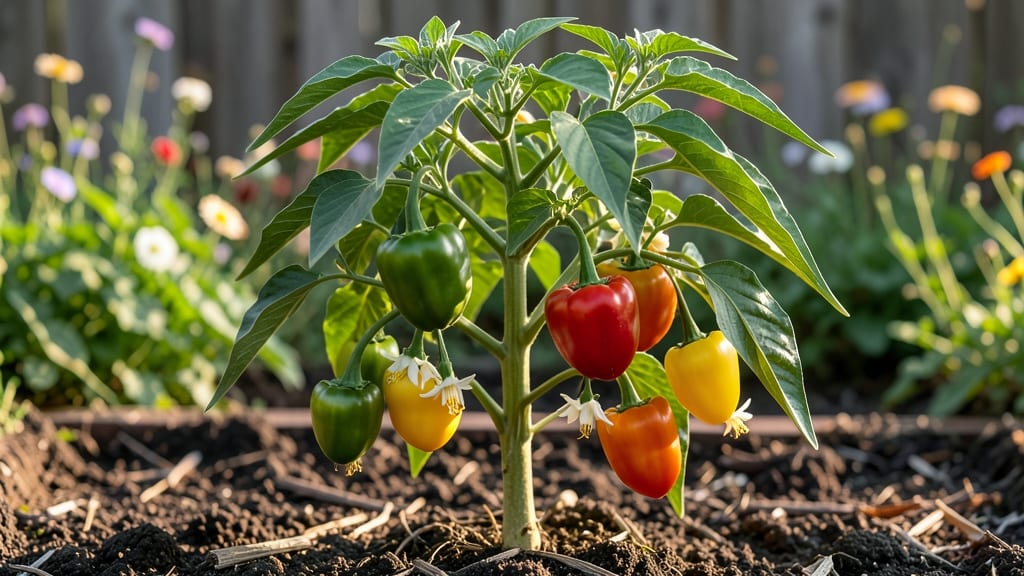
If you’ve ever wondered how tall a pepper plant can grow, the answer depends on more than just luck—it’s all about the variety and how you care for them.
Some peppers barely crack the 1-foot mark, while others can soar over 5 feet, transforming your garden into a jungle of spice. Knowing these height ranges helps you plan spacing, support, and even container sizes before you plant.
The key to controlling your pepper plant’s height lies in understanding its natural growth habits. Dwarf varieties like ‘Snackable’ peppers stay compact, perfect for windowsills or small pots, while standard types like bell peppers or jalapeños typically reach 3-4 feet without intervention.
But here’s the catch: even the same variety can grow taller or shorter based on sunlight, pruning, and whether you’re growing them in soil or containers.
What if your plants are already outgrowing their space—or worse, flopping over before harvest? Don’t worry; I’ll show you how to manage height naturally with simple pruning techniques, support structures, and care tweaks.
Whether you’re aiming for a tidy patio garden or a high-yield harvest, these tips will help you keep your peppers at the perfect height for your goals.
Ready to stop guessing and start growing with confidence? Let’s break down exactly how tall your peppers should be—and how to adjust if they’re not playing by the rules. Your garden (and your harvest) will thank you.


Pepper plant height by variety: dwarf to giant sizes explained
Pepper plants come in a stunning range of sizes, from dwarf varieties perfect for windowsills to tall giants that need garden space. The height of your pepper plant depends on its variety, genetics, and growing conditions.
Some stay under 12 inches while others reach over 5 feet—knowing these differences helps you plan your garden layout and choose the right container sizes.
If you're growing peppers in containers, dwarf varieties are ideal because they stay compact. But if you have garden beds, taller varieties can produce more fruit when given proper support.
Let's break down the height ranges for popular pepper types so you can pick the perfect fit for your space.
🌱 Visual Guide: Pepper Plant Heights at a Glance
For container gardening, choose dwarf varieties like 'Tiny Tim' bell peppers or 'Mini Jalapeño', which thrive in 5-gallon pots or smaller. These stay under 12 inches and produce plenty of peppers without sprawling.
If you're growing in garden beds, taller varieties like bell peppers or habaneros will need 18-24 inches of space between plants to avoid crowding.
One common misconception is that all pepper plants grow the same height. In reality, genetics play a huge role. For example, jalapeños typically reach 2-3 feet, while bell peppers can grow 3-4 feet tall.
Even within the same type, some varieties are bred to be shorter or bushier, making them perfect for small gardens or urban balconies.
If you're growing peppers indoors near a south-facing window, opt for dwarf or semi-dwarf varieties to maximize sunlight exposure. Taller plants may outgrow their light source quickly, leading to leggy growth and fewer peppers.
Always check the seed packet or plant tag for height expectations—this gives you the most accurate idea of what to expect.
Another factor affecting height is pruning habits. Many gardeners prune their pepper plants to encourage bushier growth and more fruit production. By removing the top buds, you can keep plants shorter and stockier, which is especially useful for container growers.
We'll cover pruning techniques in more detail in the next section.
For maximum yield, taller pepper plants often produce more fruit because they have more energy and space to grow. However, if you're limited on space, dwarf varieties can still give you a great harvest in a smaller footprint.
The key is matching your growing conditions to the plant's natural height tendencies.
If you're planning a pepper garden layout, consider grouping taller varieties together and placing shorter ones near walkways or edges. This creates a visually appealing garden while making the most of your space.
Always leave at least 18 inches between standard-height plants to ensure good airflow and reduce disease risk.
Remember, even within the same variety, growing conditions like sunlight, water, and soil quality can influence height. A pepper plant with optimal care will reach its full potential,
How to control pepper plant height: pruning, support, and care tips
Managing your pepper plant's height isn’t just about aesthetics—it’s about maximizing yield, preventing disease, and fitting your garden layout. With the right techniques, you can keep dwarf varieties compact or guide tall peppers to grow vertically without sacrificing productivity. Here’s how to take control of your pepper plant’s growth trajectory.
First, understand that pruning is your best tool for height management. By removing excess leaves or stems, you redirect energy to fruit production instead of vertical growth.
For container-grown peppers, pruning is even more critical since space is limited. Focus on removing leaves near the soil to improve airflow and reduce fungal risks.
Support structures like cages, stakes, or trellises can transform unruly growth into a manageable vertical garden. Tall varieties like jalapeños or habaneros benefit from trellising, which prevents sprawling and makes harvesting easier. Install supports early—once plants reach 12-18 inches tall—to avoid damaging roots later.
🌱 Pro Tip: Topping Your Pepper Plants
For extra-tall varieties, try "topping"—pinching off the main stem’s growing tip. This encourages bushier growth with more side branches, each producing pepper clusters. Do this when plants are 12-18 inches tall and again as needed. Works best with bell peppers and jalapeños.
Light exposure plays a surprising role in height control. While peppers need 6-8 hours of sunlight, too much direct sun can make them leggy and tall. If your plants are stretching excessively, try partial shade during peak afternoon hours (1-4 PM) to encourage compact growth.
Just avoid deep shade, which weakens plants and reduces fruit production.
Container gardening offers unique opportunities to manage height. Choose deep pots (12+ inches) for tall varieties like cayenne peppers, but opt for shallow, wide containers for dwarf types. Root-bound plants grow taller as they search for space—so repot if you see roots circling the pot.
Mulching with 2-3 inches of organic matter also keeps roots cool and encourages bushier growth.
Finally, fertilize wisely. Over-fertilizing—especially with high-nitrogen feeds—promotes leafy growth over fruit. Use a balanced 10-10-10 fertilizer every 4-6 weeks during the growing season, and reduce feeding as harvest approaches. This keeps your plants strong without encouraging excessive height.
With these techniques, you’ll keep your pepper plants at your desired height—whether that’s a compact 12-inch dwarf for windowsills or a managed 4-foot trellis for maximum yield. Experiment to find what works best for your space and variety! 🪴