
Plants
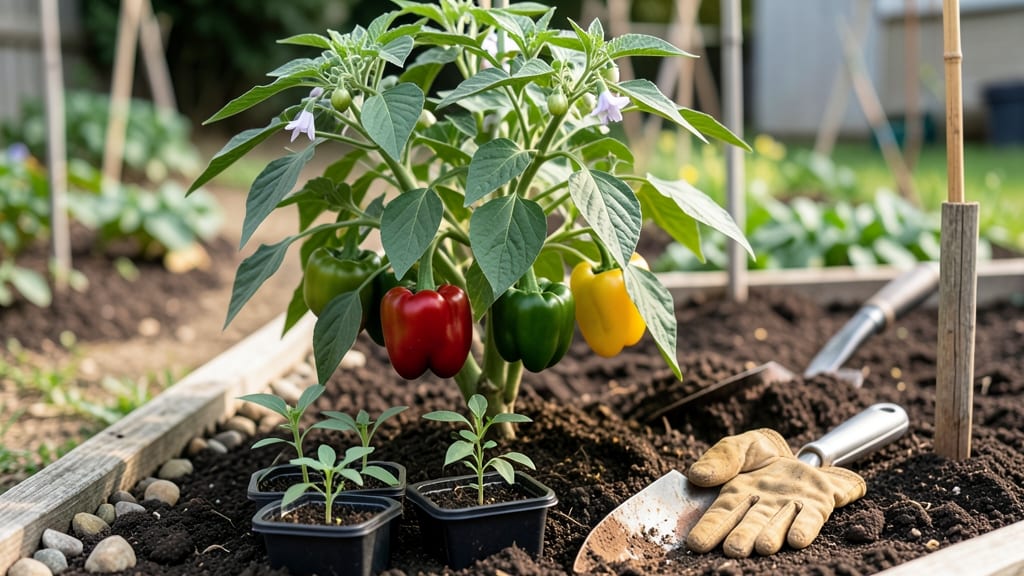
Planting bell peppers 🌶️ at the wrong time in California can mean the difference between a thriving harvest and wasted effort. Whether you're in coastal fog zones or scorching inland valleys, getting the timing right is the key to avoiding stunted plants or early death from heat stress.
I’ve grown bell peppers across USDA zones 9a-11 and learned the hard way that one-size-fits-all advice doesn’t work here. Coastal areas like San Francisco can start as early as February, while desert regions near Palm Springs should wait until March—sometimes even April—to dodge frost risks and ensure soil warmth.
In this guide, I’ll break down the exact planting windows for your microclimate, plus pro tips for seed-starting vs. transplanting. You’ll discover how to stretch your harvest from summer into fall, even in unpredictable California weather.
Ready to grow peppers that produce all season? Let’s dive into the perfect planting schedule for your California garden—no guesswork, just results.
Optimal bell pepper planting dates by California region (coastal vs inland)
California’s microclimates create wildly different conditions for growing bell peppers. In coastal regions like San Francisco and Los Angeles, mild winters and summer fog delay planting until March or April, while inland valleys such as Sacramento and Fresno can start as early as February thanks to warmer soil.
Desert areas like Palm Springs even push planting to March or April to avoid extreme summer heat.
The key factor is soil temperature, not air temperature. Bell peppers need soil at 60°F (15°C) to thrive. Use a soil thermometer to check—if it’s cooler, wait.
In coastal zones, this often means waiting until late March or early April, while inland areas can plant 2-4 weeks earlier once frost risk passes.
🌶️ Pro Tip: Coastal gardeners should also watch for summer fog, which can stress plants. Inland growers must prepare for heat waves by providing afternoon shade during peak summer months.
For coastal gardeners, I recommend starting seeds indoors in January for transplants ready by March 15. Inland gardeners can direct-sow seeds in February once soil warms. Desert growers should focus on shade-tolerant varieties like 'NuMex Sandia' and plant in March to avoid summer stress.
🌱 Regional Hack: Inland areas can extend harvests by planting a second crop in August for fall production, while coastal zones should avoid late plantings due to fall rains increasing disease risk.
Remember, bell peppers are warm-season crops that need consistent warmth. If you plant too early in coastal areas, your peppers may bolt or produce poorly. Conversely, inland gardeners risk heat stress if they wait too long—aim for 60-85°F (15-29°C) soil temperatures for optimal growth.
💧 Watering Tip: After planting, keep soil consistently moist (not soggy) for the first 2-3 weeks to establish roots. Use drip irrigation in inland areas to prevent leaf burn from overhead watering in hot afternoons.
For container growing, coastal gardeners can plant 1-2 weeks later than in-ground plantings since pots warm up more slowly. Inland container growers should use black plastic pots to absorb heat and plant 1 week earlier than in-ground schedules.
🌡️ Heat Warning: Inland areas with 90°F+ (32°C+) afternoons should provide shade cloth during peak heat or choose heat-tolerant varieties like 'Jupiter' or 'Aristotle'.
How to adjust planting for early vs late varieties in California’s climate
California’s microclimates demand flexibility when choosing bell pepper varieties. Early-maturing types like 'Early Pimento' (60 days) thrive in coastal fog zones, while long-season varieties such as 'California Wonder' (120 days) need inland heat to ripen fully.
Your planting strategy should match both variety maturity and local frost risks.
For coastal regions (e.g., San Francisco, Santa Barbara), start seedlings indoors by February 1 and transplant after March 15 to avoid late-spring chills. Fast-maturing varieties here can produce two harvests—one in early summer and another after a fall transplant in August.
In contrast, inland valleys (Sacramento, Fresno) can plant directly outdoors as early as March 1 for long-season peppers.
🌶️ Variety Timing Guide for California
- Early Varieties (60–75 days): Plant February–March (coastal) or March–April (inland) for summer harvests. Examples: 'Early Pimento', 'Sweet Banana'.
- Mid-Season (75–90 days): Start March–April (coastal) or April–May (inland) to avoid heat stress. Examples: 'Jupiter', 'Aristotle'.
- Late Varieties (90–120 days): Require long, hot summers—plant April–May (inland) only. Examples: 'California Wonder', 'NuMex Heritage'.
- Fall Planting: Transplant August–September (coastal) or July–August (inland) for winter harvests before frost.
Succession planting is key to extending harvests in California. After harvesting early varieties in June or July, replace them with transplants to fill gaps. In coastal areas, use row covers to protect fall plantings from light frosts (below 32°F).
For inland gardens, prioritize heat-tolerant varieties like 'NuMex Heritage' to withstand 100°F+ temperatures.
Soil warmth is non-negotiable for bell peppers. Use black plastic mulch to raise soil temps by 5–10°F in cooler zones. Test soil with a thermometer—plant only when it hits 60°F (15°C) at 6 inches deep.
In desert regions (e.g., Palm Springs), provide afternoon shade to prevent blossom drop during peak summer heat.
Pro tip: Direct-sow seeds in containers for coastal gardeners to avoid soil-borne diseases common in foggy microclimates. Inland gardeners can sow directly outdoors after April 15 for long-season peppers, but always harden off seedlings for 10–14 days before transplanting. This reduces shock and boosts survival rates.
Remember: California’s climate is unpredictable. Monitor local weather forecasts and adjust planting dates by 1–2 weeks if unseasonable chills or heatwaves are forecasted. With the right variety timing, you can enjoy bell peppers from June through November—or even later with season extension techniques! 🌱