
Companion Plants
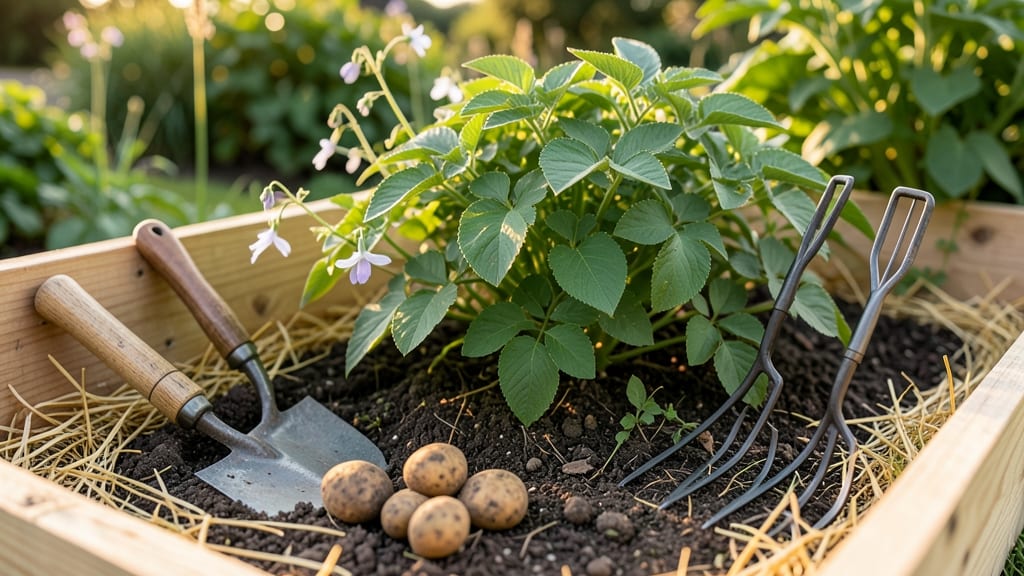
If you’ve ever planted potatoes in Texas only to watch them wither under the heat or rot from unexpected frost, you’re not alone. The key to a thriving 🥔 harvest isn’t just luck—it’s knowing the exact window to plant for your specific zone.
Texas spans USDA Zones 7b-11, meaning North Texas gardeners can start in February, while South Texas growers wait until September. One wrong move, and your crop could face stunted growth or disease. But with the right timing, you’ll enjoy homegrown spuds by spring or fall—no guesswork needed.
I’ll break down the perfect planting schedule by region, including soil prep tips and heat-resistant varieties like Yukon Gold. Whether you’re in the Hill Country or Gulf Coast, these strategies will help you avoid common pitfalls and maximize your yield.
Ready to dig in? Let’s get your potatoes in the ground at the ideal moment for zero-frost success—and a bumper harvest before summer’s peak heat sets in.
Texas potato planting calendar by USDA hardiness Zone (exact months)
Texas spans USDA Zones 7b through 11, meaning your potato planting window depends heavily on where you live. In North Texas (Zones 7b-8a), like Dallas or Fort Worth, you’ll aim for February to early March to beat the last frost around March 15.
Meanwhile, South Texas (Zones 9a-11), including Houston and the Rio Grande Valley, can plant as early as September to November for a fall-winter harvest—or even February to March for spring potatoes.
Central Texas (Zones 8a-9a), covering Austin and San Antonio, offers two planting windows: January to February for spring harvests and September to October for fall harvests. The key is avoiding extreme heat (above 90°F) or freezing temperatures, which stunt growth or kill plants outright.
For maximum yield, time your planting so tubers develop when soil temps stay between 50°F and 75°F. In Zone 10-11, this means focusing on fall planting—summer heat will stress potatoes, leading to small, misshapen tubers or even greening (toxic solanine buildup).
| Zone | Planting Window | Last Frost Date | Harvest Window | Best Varieties |
|---|---|---|---|---|
| 7b-8a (North TX) | Feb–Mar | Mar 15 | May–July | Yukon Gold, Red Pontiac |
| 8a-9a (Central TX) | Jan–Feb, Sep–Oct | Feb 15 (spring) | Mar–May, Oct–Dec | Russet, Purple Viking |
| 9a-11 (South TX) | Sep–Nov, Feb–Mar | Jan 15 (rare frost) | Feb–Apr, Oct–Dec | Sweet Potato (heat-tolerant), Kennebec |
If you’re in Zone 10 or 11, prioritize fall planting (September–November) to avoid summer’s 100°F+ soil temps, which cause tubers to sprout prematurely or rot. For spring planting, stick to February—any later, and your crop may bolt (flower too soon) before maturing.
Pro tip: Use a soil thermometer to confirm temps are above 50°F before planting. Cold soil slows sprouting, while above 80°F stresses plants. In North Texas, wait until soil warms to 60°F for reliable germination.
For extended harvests, try succession planting: Plant half your seed potatoes in February (for early harvests) and the other half in late March (for a staggered crop). This works especially well in Central Texas, where you can also plant a fall crop in September.
One common mistake? Planting too close to the last frost date. Aim to plant 4–6 weeks before to give tubers time to bulk up before summer heat sets in. For example, in Austin (Zone 8b), plant by February 1 for a May harvest.
Choose early-maturing varieties (like Red Norland) for Zone 10+, as they reach harvest in 90 days—perfect for escaping summer’s worst heat. In cooler North Texas, you can afford longer-season varieties like Russet Burbank.
Texas potato planting calendar by USDA hardiness Zone (exact months)
Texas spans three distinct USDA zones for potato planting, each with its own frost-free window and heat challenges. In North Texas (Zones 7b-8a), your last frost typically hits around March 15, giving you a 4-6 week head start for early varieties like 'Yukon Gold'.
Meanwhile, Central Texas (Zones 8a-9a) can start as early as January, while South Texas (Zones 9a-11) skips spring planting entirely—focus on fall planting (September-November) to avoid summer heat stress.
Soil temperature is your secret weapon in Texas. Potatoes thrive when soil reaches 45-55°F—wait until then to plant, even if your zone allows earlier dates. Use a soil thermometer to confirm readiness, especially in clay-heavy soils that warm slowly.
Pro tip: Raised beds warm 2-3 weeks faster than in-ground plots, giving you an edge in cooler zones.
🌱 Texas Potato Planting & Harvest Timeline by Zone
| Zone & Region | Planting Window | Ideal Varieties | Harvest Window | Key Consideration |
|---|---|---|---|---|
| North Texas (7b-8a) | Feb 1 - Mar 15 | 'Yukon Gold', 'Red LaSoda' | May 1 - July 1 | Frost risk until late March |
| Central Texas (8a-9a) | Jan 15 - Feb 15 Sep 15 - Oct 15 |
'Russet', 'Sweet Potato' (fall) | Mar 15 - May 1 Nov 1 - Dec 15 |
Summer heat stunts growth |
| South Texas (9a-11) | Sep 1 - Nov 15 Feb 15 - Mar 15 |
'Red Pontiac', 'Kennebec' | Feb 1 - Apr 1 Oct 15 - Dec 15 |
Avoid June-August planting |
💡 Pro Tip: South Texas gardeners can plant year-round with shade cloth in peak summer months.
For Zone 10-11 gardeners, summer planting is a gamble—temperatures above 90°F cause tuber scab and poor yields. Instead, opt for fall planting (September-November) and harvest before January's rare frosts.
In North Texas, prioritize early-maturing varieties (60-70 days) to beat summer heat. Save longer-season varieties for fall planting in Central Texas.
Don’t overlook soil prep—Texas clay holds moisture but suffocates roots. Amend with compost or aged manure to improve drainage, and plant on ridges or mounds to prevent waterlogging. Test your soil’s pH (aim for 5.0-6.5)—potatoes hate alkaline soils, which trigger deficiency symptoms like yellowing leaves.
Mark your calendar for equinox planting (around March 20 in North Texas) as a natural cue—it aligns with ideal soil temps and 12-hour daylight, both critical for tuber formation. In South Texas, time your fall planting for September 15 to ensure harvest before holiday demand peaks.
Remember: Texas heat is your biggest enemy after planting. Once sprouts emerge, mulch heavily with straw or grass clippings to retain moisture and block 95°F+ soil temps, which turn potatoes green and toxic.
With the right timing, you’ll beat the heat and harvest plump, disease-free potatoes—no matter your zone.