
Flowers
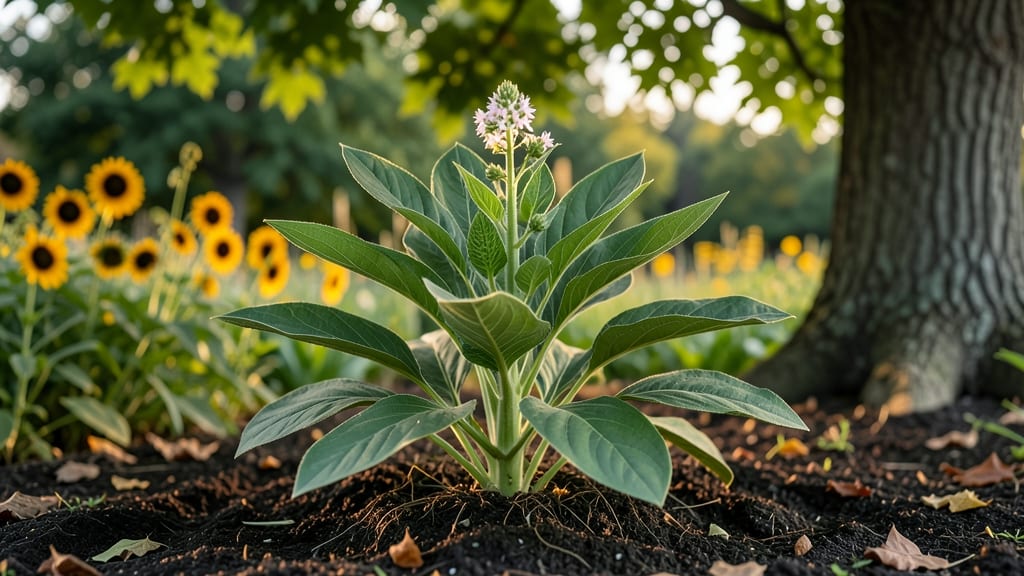
Planting flowers in Michigan at the wrong time can turn your garden dreams into a frosty nightmare—especially when late spring surprises sneak in. The Zone 5B/6A climate means your frost-free window is narrower than you think, and missing it by even a week can leave delicate blooms vulnerable.
Most Michigan gardeners wait until after the average last frost date, but that’s not always the safest bet. In southern Michigan, you might see mid-May planting windows, while up north, late May or early June is the real deadline.
The key is knowing your zone’s quirks—Detroit’s urban heat island effect can push dates earlier, while Traverse City’s cooler lakeside air demands patience.
This guide breaks down the exact frost-free timelines you need, plus pro tips for hardy annuals (like pansies) and heat-lovers (like zinnias). We’ll also show you how to stretch your season with row covers and cold frames—because in Michigan, flexibility is everything.
Ready to turn your garden into a blooming masterpiece? Let’s get you planting with confidence, so your flowers thrive from spring to fall.
Michigan frost-free dates by zone 5B/6A: exact planting windows for annuals & perennials
Michigan’s Zone 5B/6A climate creates a delicate balance—too early and frost zaps tender seedlings, too late and summer blooms arrive late. The key is understanding your last average frost date, which varies by 1-2 weeks across the state.
For most of Michigan, this falls between May 10-25, with northern areas (like Traverse City) running cooler and southern regions (like Detroit) warming faster.
To plan with confidence, I recommend using the Michigan State University Extension’s frost date maps as your baseline. These maps account for historical averages while giving a 10-day buffer for safety.
For example, in Zone 5B (northern Michigan), the safe planting window for tender annuals like petunias opens around May 25, while hardy perennials like coneflowers can go in as early as April 15 once the ground thaws.
Here’s the critical rule: Wait until nighttime temperatures consistently stay above 50°F for at least 5 days. This is your green light for warm-season flowers like marigolds and zinnias.
For cool-season bloomers (e.g., pansies, snapdragons), you can plant 4-6 weeks before the last frost—as early as March 15 in southern Michigan or April 1 in the north.
🌱
Michigan Planting Windows by Zone & Flower Type
| Zone | Last Avg. Frost | Cold-Hardy Flowers (Plant 4-6 Weeks Before) | Tender Annuals (Plant After Last Frost) | Summer Deadline (Before Frost Risk) |
|---|---|---|---|---|
| Zone 5B (North) | May 15-25 | Pansies, Snapdragons, Tulips (Mar 15-Apr 1) | Petunias, Marigolds, Zinnias (May 25-Jun 5) | Aug 15 (Before early Sept chills) |
| Zone 6A (South) | May 10-20 | Daffodils, Hyacinths, Sweet Alyssum (Mar 1-Apr 15) | Geraniums, Impatiens, Sunflowers (May 10-May 20) | Aug 25 (Before Sept 15 frost risk) |
| Both Zones | First Frost (Oct 10-20) | Perennials (Coneflowers, Black-Eyed Susans) - Divide in early Sept | Bulbs (Dahlias, Gladiolas) - Plant after May 15 | N/A |
*Use row covers to extend windows by 2-3 weeks in early spring/fall.
Pro tip: Track your local microclimate. Urban areas like Detroit often warm 3-5 days faster than rural spots due to the "heat island" effect. Use a minimum-maximum thermometer ($10 at garden centers) to monitor nighttime temps—this is your best early warning for frost risk.
For bulbs and perennials, the timeline shifts. Plant spring-blooming bulbs (tulips, daffodils) in October-November—they need cold stratification to bloom.
Summer-blooming perennials (like black-eyed Susans) can go in as early as April 15 once the soil reaches 50°F, but wait until May 1 for tender varieties like coleus.
Michigan’s first frost typically arrives between October 10-20, but don’t let that limit your garden. Heat-loving annuals like portulaca or celosia can handle our short summers if planted by June 15.
And fall-blooming asters? They’ll reward you with color right up until frost if sown by July 1.
Remember: Soil temperature matters more than air temperature. Use a soil thermometer to confirm it’s at least 60°F before planting warm-season flowers. Cool soil slows germination, leaving your plants vulnerable to damping off or fungal diseases.
🌿
How to adjust planting dates for Michigan’s unpredictable weather: a gardener’s survival guide
Michigan’s weather can be as unpredictable as a toddler’s mood—one day it’s 60°F and sunny, the next, 32°F with frost. If you’ve ever rushed to plant tender annuals only to watch them shiver under a late-May freeze, you know the stakes.
The key? Flexibility. Adjusting planting dates based on real-time conditions (not just averages) is how Michigan gardeners thrive. Whether you’re protecting seedlings with row covers or waiting for soil to warm, these strategies will help you avoid common pitfalls.
First, always check the Michigan State University Extension for local frost advisories. Their weekly updates are gold for gardeners—especially in Zone 5B areas like Grand Rapids, where late frosts can linger into mid-May.
If you’re itching to plant petunias or marigolds by Memorial Day, wait until after the average last frost date (usually May 15 in southern Michigan, June 1 in the north). But here’s the secret: harden off your plants early and keep them ready to go.
Late Frost Alert!
Michigan’s late May frosts are infamous. If you plant tender annuals like impatiens or geraniums too early, they’ll crisp overnight. Wait until May 20–June 1 in most areas, or use row covers to buy time. Pro tip: Monitor forecasts for 32°F warnings—your plants will thank you!
For cold-hardy flowers like pansies, snapdragons, or tulips, you’ve got more wiggle room. These beauties can handle light frosts (down to 25°F for pansies!) and often thrive when planted as early as April 15 in southern Michigan.
But even they need a heads-up: Mulch heavily after planting to insulate roots. A 2–3 inch layer of straw or shredded leaves can make the difference between a frost-killed plant and one that blooms all season.
If you’re determined to extend your growing season, invest in row covers or a mini greenhouse. These tools let you plant warm-season flowers like zinnias or cosmos 2–3 weeks earlier than usual. Just remember: Remove covers during the day to prevent overheating (aim for 75–85°F max temps).
For heat-lovers, wait until soil temps hit 60°F—use a soil thermometer to check. In northern Michigan (Zone 6A), this might not happen until late May or June.
Don’t forget about succession planting—a lifesaver for Michigan’s short season. Instead of planting all your annuals at once, stagger them every 2–3 weeks to ensure continuous blooms. For example, plant marigolds in late May, then again in early July for a second flush of color.
And if you’re in northern Michigan, prioritize perennials like coneflowers or black-eyed Susans—they’ll bounce back year after year, while annuals may struggle to mature before frost.
Finally, keep a gardening journal to track your own local microclimate. Note when frost hits (or doesn’t), which plants thrive, and when soil warms up. Over time, you’ll spot patterns—like that your backyard frosts later than the official averages.
Share your observations with neighbors, too; Michigan’s weather is highly variable even within short distances. With these adjustments, you’ll turn Michigan’s quirks into opportunities for a longer, more reliable bloom season.
🌱