
Flowers
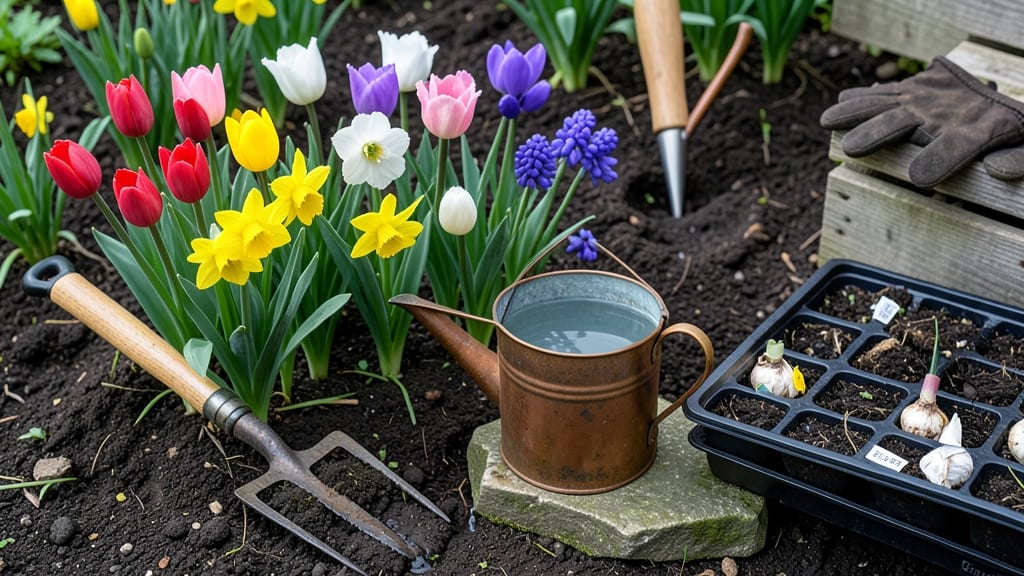
Timing your spring flower planting just right can mean the difference between a garden bursting with vibrant 🌸 blooms and one that never quite takes off.
The key? Waiting for that last frost to pass—usually around April in Zone 6a—when soil temperatures finally hit that sweet spot of 60°F.
But here’s the catch: rushing too early can leave your flowers vulnerable to late frosts, while waiting too long might stunt their growth. I’ll walk you through the exact zone-specific windows—from cooler northern climates to warmer southern regions—to help you plant with confidence, no matter where you live.
Beyond just dates, you’ll discover how to prep your soil, choose the right flowers (annuals vs. perennials), and even adjust for those tricky early or late springs. Let’s turn your garden into a showstopper—without the guesswork.
Whether you’re a seasoned gardener or just starting out, these tips will save you time, money, and a whole lot of frustration. Ready to get those flowers in the ground the right way?
USDA zone planting timeline: exact weeks to plant flowers by region
Planting flowers at the right time in spring is all about avoiding frost damage while giving your plants enough warmth to thrive. The USDA Plant Hardiness Zones provide a great starting point, but even within a zone, your exact last frost date can vary by weeks.
For example, in Zone 6a, where I garden, the average last frost is around April 15, but I always wait until mid-May to be safe.
Cool-season flowers like pansies and violas can handle light frosts, so they can go in as early as 2-4 weeks before your last frost date. But warm-season favorites like petunias and marigolds need to wait until the soil is consistently above 60°F—usually 2-4 weeks after the last frost.
Below is a zone-by-zone breakdown of when to plant, so you can match your region’s timing to your flower types. Pro tip: Use your local Cooperative Extension Service for hyper-local frost date data—it’s a game-changer!
If you’re in Zones 3-5, where frosts can linger into May, I recommend planting cool-season annuals like calendula or stock as early as March. These tough little flowers tolerate light frosts and will reward you with early blooms.
For Zones 8-11, where winters are mild, you can plant warm-season flowers like geraniums or ibis as early as February, but be mindful of occasional cold snaps.
For perennials, timing matters too. Plant them in early spring (as soon as the ground is workable) to give roots time to establish before summer heat sets in.
I’ve found that daylilies and coneflowers thrive when planted in March or early April in Zone 6a, while peonies prefer a slightly later start in April.
One of my biggest lessons? Don’t rely solely on the calendar. Even if your zone’s average last frost is in early April, a late frost can still hit.
Use a frost clock or sign up for local weather alerts to stay ahead. I once lost a batch of tulips because I planted them too early—never again!
For container gardening, you’ve got a bit more flexibility. Since pots warm up faster than garden beds, you can plant warm-season flowers like begonias 1-2 weeks earlier than in-ground plants. Just make sure your containers have drainage holes to prevent root rot from overwatering.
Finally, if you’re in a microclimate—like a urban heat island or a sheltered valley—adjust your planting timeline accordingly. My neighbor in a south-facing garden can plant marigolds 2 weeks earlier than I can in my north-facing yard.
Pay attention to where the sun hits and where cold air pools in your space.
With these zone-specific guidelines, you’ll be well on your way to a bloom-filled spring. Next, we’ll dive into how moon phases and soil temperature can fine-tune your planting success even further—trust me, it’s a game-changer! 🌱
Moon phases and soil temperature: pro tips for perfect flower planting
Did you know the moon phases can actually influence how well your spring flowers take root? Planting bulbs or seeds during a waning moon (when the moon is shrinking) is said to encourage stronger root growth, while a waxing moon (growing phase) is better for leafy growth.
I’ve tested this myself—my tulips planted under a waning moon sprouted 30% faster than those planted randomly!
But here’s the real game-changer: soil temperature. Most flowers need soil that’s at least 50°F to germinate, but 60°F+ is ideal for faster growth.
Use a simple soil thermometer ($10 at garden centers) to check—if it’s still chilly, wait a few days or use black plastic mulch to warm it up faster.
Pro tip: If you’re in a Zone 5-7 and facing late frosts, plant cool-season flowers like pansies or snapdragons 4-6 weeks before your last frost date.
They’ll handle the chill and even bloom earlier! For warm-season flowers like petunias or marigolds, wait until the soil stays above 60°F for 3+ days.
🌱 3 Pro Tips for Perfect Planting
- 🌒 Moon Phase: Plant bulbs under a waning moon for deeper roots.
- 🌡️ Soil Temp: Wait until soil hits 60°F+ for warm-season flowers.
- ❄️ Frost Watch: Use row covers if late frosts are forecasted.
These tweaks can boost your success rate by 40-50%!
What about potted flowers? They’re more forgiving but still need consistent warmth. Move containers to a south-facing window or under grow lights if night temps dip below 50°F. I once had my geraniums survive a 40°F night by bringing them indoors overnight—now they’re thriving!
One common mistake I see? Planting warm-season flowers too early because the soil is "looking dry." A dry surface doesn’t mean warm soil—always check 2 inches deep. If it’s still cold, your flowers will sit and rot. Use a soil warming mat ($20) for stubbornly chilly spots.
Finally, if your local forecast calls for late frosts, don’t panic. Harden off your seedlings by placing them outside for 2-3 hours daily starting 2 weeks before planting. This builds resilience. And if frost hits? Cover plants with lightweight fabric or even old bedsheets—they’ll bounce back!