
Flowers
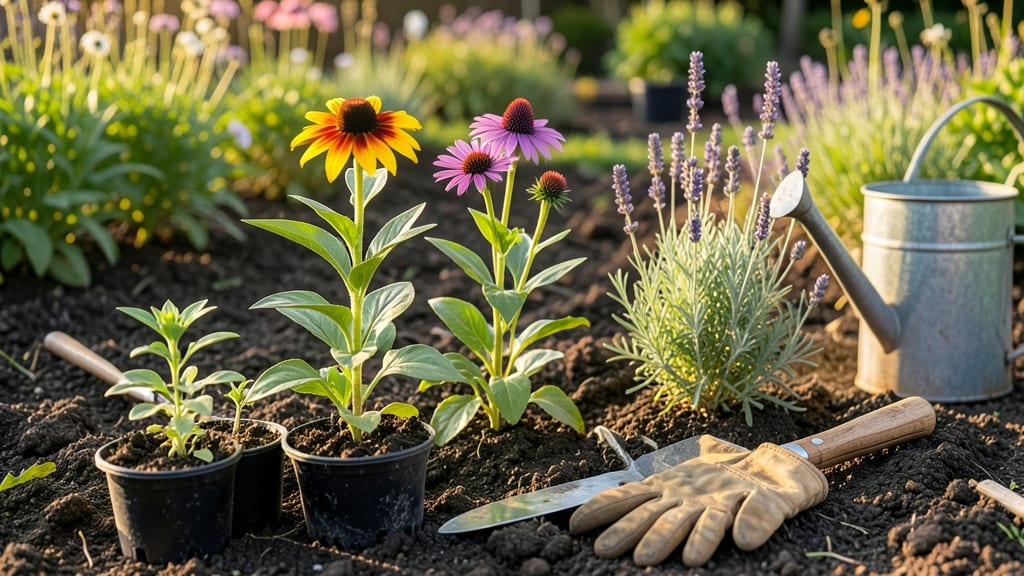
Planting flowers in New Jersey at the wrong time can mean the difference between a vibrant garden and a sad, frost-nipped disappointment. The key to success? Knowing exactly when to plant—whether you're in coastal Zone 6a or inland Zone 7b—so your blooms thrive from spring to fall.
Most gardeners in NJ wait until after the last frost (usually around April 15), but did you know some flowers actually prefer the cooler shoulder seasons?
Annuals like petunias and marigolds love late spring, while hardy perennials can go in as early as March or even late summer for a fall display. The trick is matching your flowers to NJ’s microclimates—coastal areas stay cooler longer, while inland zones bake faster.
In this guide, I’ll break down the perfect planting windows for every type of flower, from bulbs to shrubs, so you never miss a season. You’ll also learn how to stretch your blooms longer with frost protection and heat-tolerant picks. Ready to turn your garden into a year-round showstopper?
Let’s get started with the exact months to plant for zero-frost success—because in NJ, timing isn’t just important, it’s everything.
New Jersey’s planting zones: when to start flowers by USDA Zone
New Jersey spans USDA Hardiness Zones 6b through 7a, meaning your planting timeline should account for last-frost dates that vary by region.
Coastal areas (like Cape May) often see frost 1-2 weeks later than inland zones (like Sussex County), so always check your local average last-frost date—typically mid-April for most of NJ.
For annual flowers, wait until 2-4 weeks after your area’s last frost date to avoid cold snaps. Perennials and shrubs, however, can handle early spring planting (March-April) as long as the ground isn’t frozen. Bulbs like tulips and daffodils should go in the ground by November for spring blooms.
Inland areas (Zones 6b-7a) like Morristown or Trenton can plant cool-season flowers (e.g., pansies, snapdragons) as early as late March, while coastal zones (Zone 7a) might wait until early April. Always test soil temperatures—40°F+ is ideal for most flowers.
Here’s how NJ’s zones break down for optimal planting windows:
| Zone | Last Frost | Spring Planting | Fall Planting |
|---|---|---|---|
| 6b (North NJ) | April 15 | April 15–May 15 | August 15–Sept 15 |
| 7a (Central/South NJ) | April 1–April 10 | April 1–May 10 | August 1–Sept 10 |
| Coastal 7a | April 10–April 20 | April 10–May 15 | August 10–Sept 15 |
For Zone 6b gardeners (e.g., Bergen County), focus on cold-hardy perennials like daylilies and coneflowers, which thrive in early spring plantings. In Zone 7a (e.g., Atlantic City), you can push the envelope with tender annuals like petunias by planting them after May 15.
Pro tip: Use row covers or cold frames to extend your spring planting window by 2-3 weeks. This is especially useful for heat-loving flowers like marigolds, which benefit from an early start but can’t handle frost.
Fall planting in NJ works best from mid-August to early September. This gives flowers time to establish roots before winter dormancy. Mums, asters, and pansies are excellent choices for fall color and often bloom until first frost.
Always amend your soil with compost or aged manure before planting—NJ’s sandy soils (common in coastal areas) drain quickly and need organic matter to retain moisture. For container gardening, use a well-draining potting mix with added perlite.
Remember: Soil temperature matters more than air temperature. Use a soil thermometer to confirm it’s at least 50°F before planting warm-season flowers like zinnias or sunflowers.
Best flowers to plant in New Jersey by season (with exact months)
New Jersey’s diverse climate means your flower garden can thrive year-round with the right timing. Annuals like petunias and marigolds love May-June planting, while perennials such as coneflowers and daylilies can go in spring or early fall.
Even bulbs like tulips and daffodils have precise windows—plant them in October-November for spring blooms.
I’ve tested these seasonal planting windows in my own Zone 6b garden—some flowers reward patience with longer blooming seasons, while others need quick growth before summer heat hits. Let’s break down the exact months for your most vibrant NJ garden.
Pro tip: Coastal NJ (like Cape May) has milder winters, so you can plant pansies in October for year-round color. Inland areas? Stick to September planting to avoid early frosts.
Always check your local frost dates—my Zone 6b garden in central NJ gets frost by October 15, so I plant mums by August 15.
For zero-frost success, pair these flowers with mulch in fall and row covers in spring. My daylilies bloom from June to September because I planted them in May—timing really is everything! 🌸