
Companion Plants
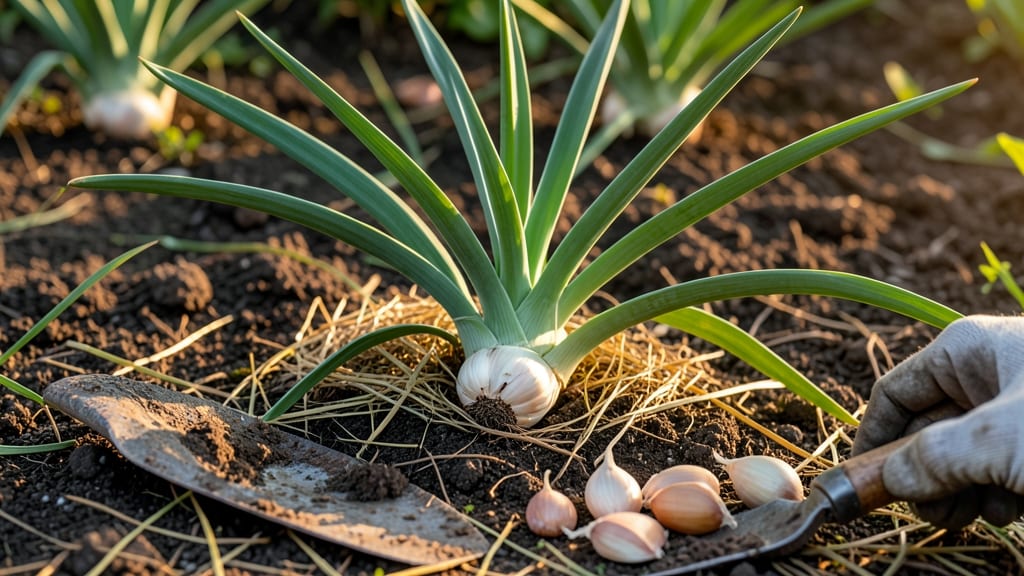
Planting your 🧄 garlic at the wrong time in Melbourne can mean the difference between a bumper harvest and a sad, frost-bitten failure. Unlike many crops, garlic thrives when planted in autumn—not spring—so getting the timing right is the key to success in our 9a to 10a climate zones.
Most gardeners assume garlic is a spring crop, but in Melbourne’s mild winters, autumn planting (March to May) gives those bulbs the perfect head start. The secret?
Planting when soil temperatures hover between 5–10°C ensures strong root growth before winter sets in, while avoiding the dreaded late frosts that can turn your crop into mush.
I’ve learned the hard way that rushing or waiting too long can spell disaster—whether it’s cloves rotting in soggy soil or freezing before they establish.
But with the right variety (like hardneck ‘German White’ or cold-tolerant ‘Creole’) and a few simple tricks, you can grow garlic that’s bold, flavorful, and ready to harvest by late spring.
Ready to master the Melbourne garlic timeline? I’ll walk you through the exact planting window, soil prep, and frost-proofing tips so your crop survives—and thrives—until harvest time. Let’s get those cloves in the ground the right way.
Optimal Melbourne garlic planting dates by variety and climate zone
Melbourne’s autumn planting window for garlic spans March to May, but the exact timing depends on your local frost risk and whether you’re growing hardneck or softneck varieties. Hardnecks (like ‘German White’) thrive in Melbourne’s cooler winters, while softnecks (like ‘Creole’) tolerate milder conditions.
Let’s break it down by zone and variety to maximize your harvest.
For coastal Melbourne (USDA Zone 9a), where winters are milder, aim for late March to early April. This gives bulbs time to establish roots before light frosts arrive in June.
Inland areas (like Yarra Valley, Zone 10a) can plant slightly later—mid-April to early May—to avoid soil rot from Melbourne’s unpredictable autumn rains.
Soil temperature is your best guide. Plant when soil reaches 5–10°C (41–50°F), typically by mid-March in most suburbs. Use a soil thermometer or check the Bureau of Meteorology’s frost forecasts—a 30-day frost risk of less than 20% is ideal for planting.
Hardneck garlic needs 60–90 days of cold to form bulbs, so plant early in the window. Softneck varieties (like ‘Silverskin’) can handle milder winters and tolerate later planting—try April to early May for these. Pro tip: ‘Creole’ garlic, a local favorite, is drought-tolerant and perfect for Melbourne’s variable rainfall.
| Variety Type | Best Planting Window | Soil Temp Threshold | Frost Tolerance | Melbourne Zone Fit |
|---|---|---|---|---|
| Hardneck (e.g., 'German White', 'Purple Stripe') | Late March–Early April | 5–10°C (41–50°F) | High (needs cold) | Coastal & Inland |
| Softneck (e.g., 'Creole', 'Silverskin') | Mid-April–Early May | 7–12°C (45–54°F) | Moderate (milder winters) | Coastal preferred |
| Hybrid (e.g., 'Inchelium Red') | Early April | 6–10°C (43–50°F) | High (adaptable) | All zones |
🌱 Note: Adjust for microclimates—e.g., Dandenong Ranges may need earlier planting.
If you miss the ideal window, don’t panic. You can plant softneck varieties as late as June, though bulbs may be smaller. For hardnecks, late planting risks frost damage before bulbs mature. Use row covers if planting in May to protect young shoots.
Melbourne’s autumn rains can delay planting, so prepare your garden beds in February. Amend soil with compost to improve drainage—garlic hates soggy soil. Raised beds are ideal for heavy clay soils common in Melbourne’s suburbs like Bundoora or Sunbury.
For urban gardeners, container-growing works too! Use 15cm-deep pots with well-draining mix. Plant 3–4 cloves per pot and place in full sun. Just watch for drought stress—Melbourne’s hot summers can dry containers quickly.
Pro move: Label your varieties! Hardnecks and softnecks mature at different times, and you’ll want to harvest them separately. ‘German White’ (hardneck) is ready by October, while ‘Creole’ (softneck) may need until December.
Timing your garlic planting in Melbourne isn’t just about the calendar—it’s about reading your soil and climate. Start with the soil thermometer, cross-check with frost forecasts, and adjust for your local microclimate.
With the right variety and timing, you’ll be feasting on homegrown garlic by next summer! 🧄
How to time your planting for zero-frost garlic bulbs in Melbourne
Timing your garlic planting in Melbourne isn’t just about picking a month—it’s about reading the soil temperature, checking frost forecasts, and choosing the right garlic variety for your microclimate.
The Bureau of Meteorology’s frost risk maps are your best friend here, especially for areas like the Yarra Valley where late frosts can sneak up in May.
For most of Melbourne, aim to plant when daytime temperatures drop to 15–20°C and soil temps hit 5–10°C. This usually falls between mid-March and early April, but coastal areas (like Frankston) can push planting a week later due to milder winters.
Hardneck varieties like ‘German White’ thrive in these conditions, while softer ‘Creole’ garlic handles occasional frost better.
Here’s my foolproof checklist to avoid frost-related failures:
⚠️ Melbourne Frost Risks You Can’t Ignore
- Late autumn frosts (April–May) can kill young shoots if planted too early.
- Soggy soil from winter rains causes cloves to rot before roots establish.
- Microclimates matter: Hilltops freeze faster than valleys—adjust dates accordingly.
Pro tip: Use a soil thermometer to confirm temps before planting.
Start by testing your soil’s pH (6.0–7.0) and amending it with compost or well-rotted manure for drainage. Garlic hates waterlogged soil, so raise beds in heavy clay areas. Once planted, apply a 3-inch mulch of straw or lucerne hay to insulate bulbs from temperature swings and suppress weeds.
If you’re in a high-frost-risk zone, consider a cloche or fleece cover for the first 4–6 weeks. I’ve used these in my Dandenong Ranges garden to protect early plantings, and they’ve saved my crop more times than I can count.
The key is to remove covers during the day to avoid overheating.
Finally, mark your planting date on the Bureau of Meteorology’s frost calendar and set a reminder for mid-October to start harvesting. That’s when your garlic will be at its peak flavor—ready to cure and store for winter cooking.
Don’t wait too long, or those bulbs will split open in the heat.