
Plants
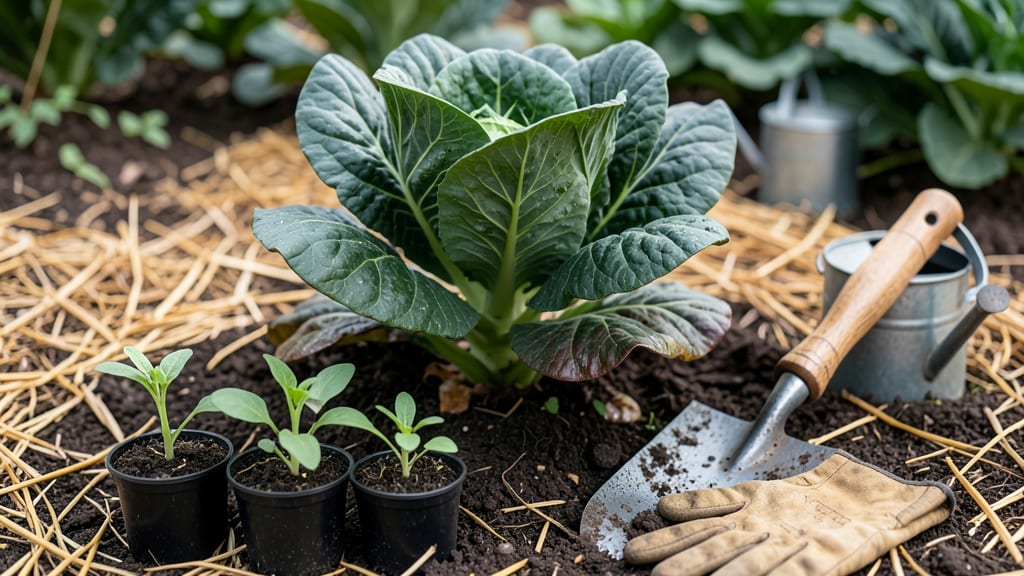
Planting collards in Alabama isn't just about dropping seeds in the dirt—it's about timing them perfectly to avoid bitter leaves or wasted effort.
The key to a thriving 🥬 harvest lies in understanding Alabama's unique frost windows, where a 4-6 week head start before the first frost makes all the difference.
Most gardeners in zones 7b-8b reach for their collard seeds in late summer or early spring, but that's only half the story. What truly sets Alabama apart is how its northern and southern regions behave differently—something I learned after years of trial and error in my own garden.
In this guide, I’ll break down the exact months to plant for fall and spring harvests, plus how to extend your growing season with simple tricks that actually work. Whether you're in Birmingham or Mobile, you'll leave here with a clear plan to maximize your collard yield—no guesswork required.
Ready to grow collards that taste sweeter and last longer? Let’s dive into the planting schedule that’ll transform your Alabama garden from good to great.
Best collard planting months in Alabama by region (North vs. South)
Alabama’s climate varies dramatically from its northern mountains to its southern coastal plains, creating two distinct planting zones for collards. In the North (USDA Zones 7b-8a)—think Birmingham and Huntsville—frost arrives earlier, while the South (Zones 8a-8b)—like Mobile and Montgomery—enjoys milder winters.
This means your planting timeline should shift based on where you live to avoid bitter leaves or premature bolting.
For both regions, the ideal window is 4-6 weeks before your average first frost, which typically falls in mid-to-late February. However, Alabama’s fall planting starts much earlier in the North than in the South.
Let’s break it down by region so you can plan your collard harvest with confidence.
| Region | Planting Window | First Frost Date | Ideal Start Month | Spring Option |
|---|---|---|---|---|
| North (Birmingham, Huntsville) | Late August to September | Mid-February | September | Early March (after last frost) |
| South (Mobile, Montgomery) | Early September to October | Late February | October | Mid-March (after last frost) |
If you’re in the North, aim to plant collard seeds by late August for a fall harvest before winter sets in. The cooler temperatures in September and October are perfect for collard growth, and your plants will thrive until the first frost.
In contrast, Southern Alabama gardeners have a slightly later window—planting in early September ensures your collards mature before the mild winters arrive.
For a spring harvest, both regions can plant in early March, but Northern gardeners should wait until after the last frost date, which is typically around mid-March.
Southern gardeners can start a bit earlier, around late February, thanks to their warmer microclimate. Heat-tolerant varieties, like ‘Georgia Southern’, perform best in the South during late spring plantings.
One critical tip for Alabama gardeners: succession planting every 2-3 weeks after your initial planting date. This ensures a continuous harvest from fall through winter, even as older leaves mature.
For example, if you plant your first batch in September, follow up with another in October to keep your kitchen stocked with fresh collard greens.
Don’t forget that collards are cold-hardy and can survive light frosts, which actually sweeten their flavor. However, prolonged freezes below 20°F can damage the plants. In the North, use row covers or mulch to protect your collards during unexpected cold snaps.
Southern gardeners may face fewer frost issues but should still monitor weather forecasts for early cold fronts.
Pro tip: Direct-sow seeds in your garden for the best results—collards don’t transplant well. Space seeds 18-24 inches apart in rows 2 feet apart to give them room to grow.
If you’re using transplants, harden them off for 7-10 days before setting them in the ground to reduce transplant shock.
Finally, choose collard varieties suited to your region. ‘Blue Max’ and ‘Vates’ are popular in the North for their cold tolerance, while ‘Champion’ and ‘Georgia Southern’ thrive in the South’s warmer winters.
Always check the seed packet for days to maturity—most collards take 50-70 days to harvest, so plan accordingly.
With these regional guidelines, you’ll avoid the common mistakes of planting too early or too late, ensuring your collards grow lush and flavorful all season long. Happy planting! 🥬
Best collard planting months in Alabama by region (North vs. South)
Alabama’s climate divides into two distinct zones for collard planting: the cooler North (USDA 7b) and the milder South (USDA 8a-8b). These differences mean your planting schedule should shift depending on whether you're in Birmingham or Mobile.
I’ve grown collards in both regions, and the timing truly makes the difference between a bitter harvest and sweet, tender leaves.
The golden rule for Alabama collards is to plant 4-6 weeks before your first frost for fall harvests. In the North, this means starting seeds indoors by mid-August, while Southern gardeners can wait until early September.
For spring plantings, Northern gardeners should wait until mid-March after frost risk passes, while Southerners can start as early as late February.
Here’s how the planting windows break down by region, including the best months for both fall and spring harvests:
For Northern Alabama, the first frost typically arrives in mid-November, so aim to have your collards established by early October. In the South, where winters are milder, you can push your fall planting later—even into mid-October—for a prolonged harvest.
I’ve found that Southern gardeners often get a second harvest in spring if they plant in February, while Northerners should wait until March to avoid frost damage.
Pro tip: Use heat-tolerant varieties like 'Georgia Southern' or 'Vates' if you're planting in late summer. These varieties handle Alabama’s summer heat better than traditional types, giving you a better chance of success if you miss the ideal window. Just be prepared to provide extra shade during peak summer months.
One mistake I see often is planting collards too early in spring. Alabama’s soil can still be cold in February, especially in the North, which slows germination. Wait until soil temperatures reach 50°F (10°C) before planting—this usually aligns with mid-March for most of the state.
🌱