
Plants
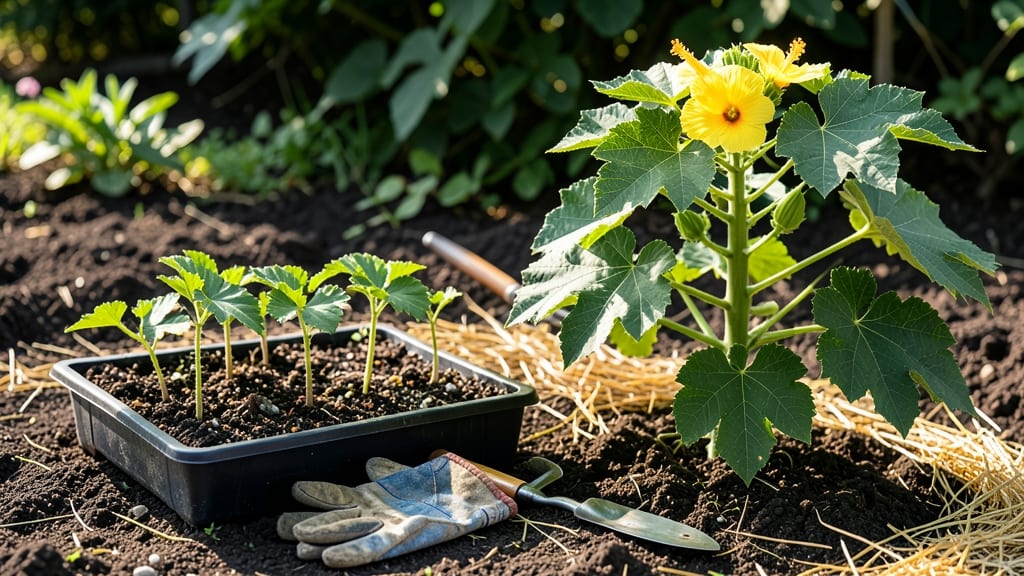
If you're planting okra in Texas, timing is everything—because this heat-loving 🌱 thrives when the mercury rises, not when the soil is still chilly. Miss the window, and you’ll either waste seeds on frost-sensitive sprouts or watch your harvest shrink before summer’s peak.
The secret to fast, bountiful pods? Planting when soil temps hit 60°F and days stretch long enough to fuel rapid growth.
Texas gardeners know the stakes: North Texas (like Dallas) waits until March 15, while Central and South Texas can start as early as February 1. But here’s the catch—okra grows fast, so even a week’s delay can mean smaller yields.
I’ll break down the exact dates by region, plus pro tips to stretch your harvest from June through October.
You might think okra is low-maintenance, but Texas heat turns it into a high-stakes gamble if you plant too late. The good news? With the right timing, you can enjoy tender pods in just 55 days.
Let’s dive into the precise schedule that’ll have your garden producing like a pro.
Whether you’re a first-timer or a seasoned gardener, these insights will help you avoid common pitfalls—like planting too early and risking frost damage or waiting too long and missing the sweet spot for harvest. Ready to grow okra like a Texas local? Let’s get started.
Optimal okra planting dates in Texas by region (spring vs summer)
Okra thrives in Texas’s heat and long summers, but planting too early risks frost damage while waiting too late cuts harvest potential. The best time to plant depends on your region’s last frost date and soil temperature—aim for 60°F (15°C) or warmer.
Here’s your region-specific timeline to maximize yields.
North Texas gardeners (think Dallas/Fort Worth) should wait until March 15–April 15 after the average last frost of March 15. Central Texas (Austin/San Antonio) can start earlier, from February 15–March 30, while South Texas (Houston/Corpus Christi) enjoys the longest window: January 15–April 15.
These dates align with soil warming to 60°F+ and avoid spring’s unpredictable cold snaps.
🌱 Did You Know? Okra seeds germinate best in 70–90°F soil. Use a soil thermometer—Texas clay holds heat, but surface temps can lag behind air temps by 10°F. For faster germination, soak seeds overnight in warm water before planting.
For faster harvests, transplant 4–6 week old seedlings instead of direct-sowing. Start seeds indoors under grow lights (or in a sunny window) 6 weeks before your region’s last frost. Harden off seedlings for 7–10 days before transplanting to avoid shock.
Texas’s summer heat (90°F+) can stress young okra plants, so avoid planting after May in North Texas or June in Central/South Texas unless you provide shade cloth (30–50%). Instead, opt for succession planting every 2–3 weeks through July for a prolonged harvest.
Pro tip: Mulch heavily with straw or wood chips to retain moisture and regulate soil temps. Okra hates soggy roots but thrives with consistent deep watering (1–2 inches per week). In South Texas’s humidity, add companion plants like basil or marigolds to deter pests and improve air circulation.
Missed the spring window? No problem! Okra handles Texas summers beautifully. In June–July, direct-sow seeds again for a fall harvest before the first frost. Just ensure soil stays moist but not waterlogged—okra’s deep roots need 18–24 inches of loose soil to thrive.
🌡️ Heat Alert: Okra loves heat but wilts in 100°F+ temps. If your forecast predicts extreme heat, provide afternoon shade and water deeply at dawn to prevent bolting (premature flowering). Varieties like ‘Clemson Spineless’ handle Texas heat best, while ‘Emerald’ matures faster for shorter seasons.
Optimal okra planting dates in Texas by region (spring vs summer)
Texas’ diverse climate means okra planting dates shift dramatically from North to South. In North Texas (Dallas/Fort Worth), wait until after April 15—before that, frost risks linger, and soil stays too cold (60°F threshold).
Meanwhile, Central Texas (Austin/San Antonio) gardeners can start as early as February 15, while South Texas (Houston/Corpus Christi) enjoys a January 15 kickoff thanks to warmer winters.
Okra thrives in 80°F+ heat, so summer planting (June) works too—just ensure consistent irrigation during dry spells. Direct-sowing is standard in Texas, but transplants can shave 2 weeks off harvest time if started indoors under grow lights in late winter.
🌱 Texas Okra Planting Timeline by Region
| Region | Ideal Planting Window | Soil Temp Requirement | Last Frost Date | Harvest Window |
|---|---|---|---|---|
| North Texas | April 15–May 15 | 60°F+ | March 15 | June–October |
| Central Texas | February 15–April 15 | 60°F+ | February 15 | May–November |
| South Texas | January 15–March 15 | 60°F+ | January 15 | April–December |
💡 Pro Tip: Use a soil thermometer to confirm temps—okra seeds won’t sprout below 60°F, even if air temps rise.
For extended harvests, succession plant every 2–3 weeks until July 1.
In North Texas, this means 3 planting batches; in South Texas, you could squeeze in 4 batches before heat peaks. Dwarf varieties like ‘Burgundy’ mature faster (50 days), while ‘Clemson Spineless’ takes 60–70 days—plan accordingly.
Missed the spring window? Summer planting still works—just mulch heavily to retain moisture and water deeply (1–2 inches per week). Okra’s heat tolerance makes it a Texas staple, but 100°F+ temps can stress plants without shade.
Use 30% shade cloth during peak afternoons if your region hits consistent triple-digit heat.
Local Texas A&M AgriLife Extension recommends avoiding planting near Memorial Day (late May) due to post-holiday planting slumps—seedlings struggle in hot, dry winds. Instead, aim for early spring or late summer (August) for a fall harvest before frost.
🌡️ Key Reminder: Okra’s heat-loving nature means no winter planting—save seeds for next year’s spring kickoff!