
Plants
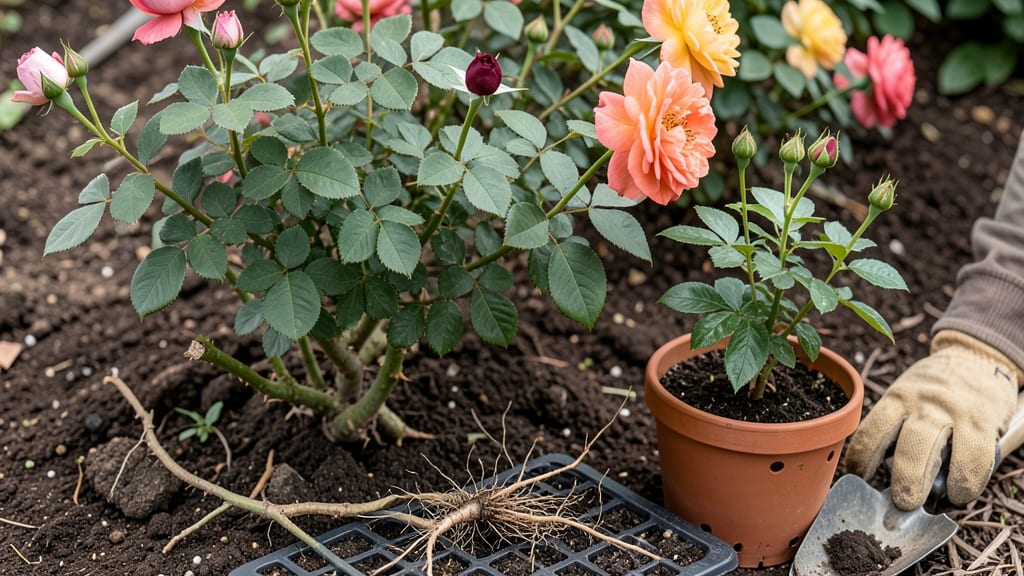
Planting roses in Texas isn't just about timing—it's about beating the heat while giving your 🌹 the best shot at thriving.
If you get the window wrong, your roses might struggle with stunted growth or even die before they ever bloom. The key is understanding when to plant based on your specific Texas heat zone, whether you're in the cooler Hill Country or the warmer Gulf Coast.
I'll walk you through the best months for planting—fall and early spring—and how to prepare your roses for Texas' intense summers. You'll discover how to choose the right varieties, acclimate them properly, and set them up for success.
Let's dive into the proven strategies that will help your roses take root strong and flourish in even the hottest Texas conditions.
Best planting months for Texas roses by heat zone (USDA 8-10)
Texas's extreme heat and variable frost dates make planting roses a high-stakes timing game. Unlike cooler climates, you can't just follow a generic spring schedule—your USDA zone dictates whether you plant in fall or early spring to avoid summer's brutal 100°F+ temperatures.
In North Texas (USDA 8a-8b), frost lingers until mid-February, while South Texas (USDA 9b-10a) rarely sees frost at all. This means your ideal planting window shifts dramatically from Panhandle to Rio Grande Valley.
For most of Texas, fall planting (October-December) is the gold standard. Why? Cooler air helps roots establish before summer's water-stress peak. But in South Texas (zones 9b-10a), where winters are mild, early spring (February-March) works just as well.
The key is giving your roses 6-8 weeks of mild weather before summer's relentless sun and heat kick in.
Here's the breakdown by zone—because a Panhandle rose and a Houston rose don't share the same timeline:
| Zone | Best Planting Months | Why This Timing? | Avoid Planting When... |
|---|---|---|---|
| USDA 8a (Panhandle, North Texas) | October 15 - November 15 | Cool soils, 6-8 weeks before first frost (Dec 1) | After Nov 15 (frost risk) or before Sept 15 (summer heat) |
| USDA 8b (Dallas, Waco) | October 1 - December 10 | Mild winters, 60-70°F soil temps ideal | After Dec 10 (frost) or before Sept 1 (heat) |
| USDA 9a (Austin, San Antonio) | October 15 - January 15 | No frost risk; avoid summer heat | After Jan 15 (spring heat) or before Sept 15 |
| USDA 9b-10a (Houston, Corpus Christi, South Texas) | February 1 - March 31 | Spring rains + no frost = perfect root growth | After March 31 (summer heat) or before Jan 31 |
Pro tip: If you're planting bare-root roses, soak them overnight before planting to jumpstart root growth. For potted roses, you can plant year-round in South Texas (zones 9b-10a), but fall or spring still give you the best results.
The Knock Out® rose series is a top pick for Texas because it thrives in heat and humidity—perfect for our 100°F+ summers.
One common mistake? Planting in late spring (April-May). By then, the soil is often too hot, and your roses will struggle to establish roots before summer's peak. I’ve seen newly planted roses wilt within weeks when planted in May—don’t let that be you!
Instead, aim for that 60-70°F soil window, and your roses will reward you with stronger blooms next season.
Texas's clay-heavy soil also plays a role. If your soil is compacted or alkaline, amend it with compost and sulfur before planting. This isn’t just about timing—it’s about giving your roses the best possible start in a climate that’s already pushing them to their limits.
Next up: how to prep your roses for Texas heat before you even stick them in the ground.
Best planting months for Texas roses by heat zone (USDA 8-10)
Texas spans USDA zones 8a through 10a, meaning frost dates and heat intensity vary dramatically. In North Texas (8a-8b), your last frost typically hits around February 15, while South Texas (9a-10a) rarely sees frost after January 15.
This variation means your planting window shifts depending on where you live.
For cool-season planting, aim for October through December—this gives roots time to establish before summer's brutal heat. If you prefer spring planting, February through March works best in North Texas, while South Texas gardeners can plant as late as April.
Here’s how to match your Texas heat zone to the perfect planting window:
| Zone | Last Frost | Best Planting Months | Key Tip |
|---|---|---|---|
| 8a (North Texas) | Feb 15 | Oct–Dec, Feb–Mar | Avoid spring planting after March 15 |
| 8b (Central Texas) | Jan 31 | Oct–Dec, Feb–Apr | Fall planting preferred |
| 9a (South Texas) | Jan 15 | Oct–Dec, Feb–Apr | Year-round planting possible |
| 9b–10a (Deep South) | None | Year-round (best in fall) | Mulch heavily to retain moisture |
If you’re in USDA zone 9b or 10a, you can technically plant roses year-round, but fall remains ideal. The key is ensuring 60–90 days of root establishment before summer’s peak heat.
For example, if you plant in March in North Texas, you’ll need to keep soil moist until June to prevent transplant shock.
Pro tip: Bare-root roses thrive best in fall because they can establish roots before summer’s heat stress. If you buy container-grown roses, they adapt more easily to spring planting but still need consistent watering for the first 30–45 days.
For heat-tolerant varieties, consider Knock Out roses or Drift roses—they handle Texas summers better than traditional hybrid teas. Always check the USDA zone rating on your rose’s tag to confirm it matches your location.