
Plants
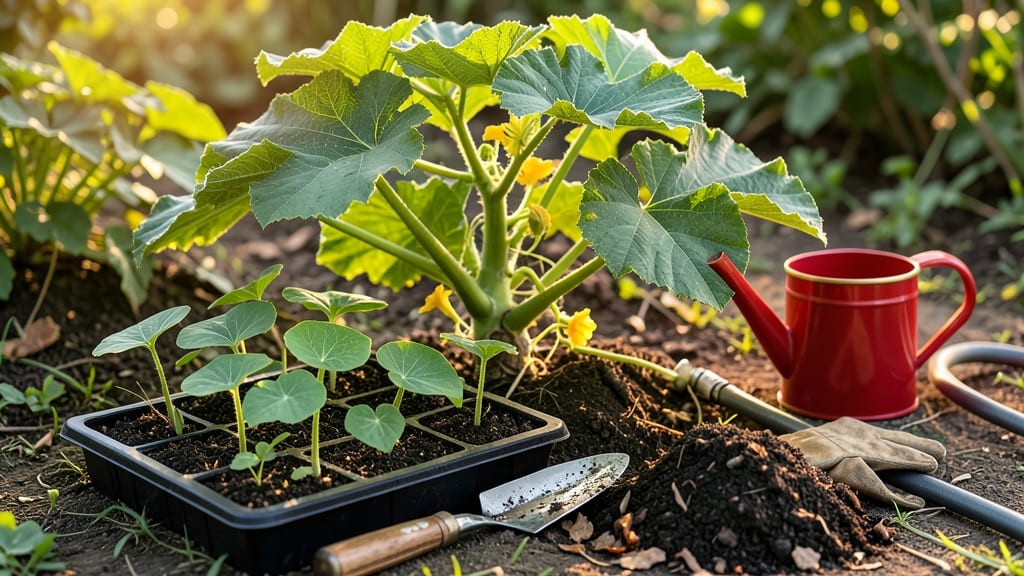
Planting squash in Texas isn’t about following a one-size-fits-all calendar—it’s about outsmarting the heat and humidity to get a thriving harvest. With summer temperatures soaring to 100°F+ and unpredictable rain patterns, timing your planting window could mean the difference between a bumper crop and wilted vines.
Most gardeners in Texas make the mistake of planting too early, only to watch their squash struggle in the heat. The key is waiting until the soil reaches at least 65°F and the air temperature stays consistently warm.
For most regions, this means aiming for late March to early April in North Texas and February to March in South Texas.
But here’s the game-changer: squash thrives in Texas’s long growing season, so you can also plant a second crop in late summer for a fall harvest.
I’ll show you exactly how to time it right, whether you’re direct sowing seeds or transplanting seedlings, so you can enjoy fresh zucchini, pumpkins, and more all season long.
Ready to grow squash that actually survives Texas summers? Let’s dive into the best planting strategies tailored to your specific heat zone—because every part of the state has its own rules for success.
Texas squash planting calendar: best months by heat Zone
Texas’s diverse heat zones (8-10a) mean squash planting isn’t one-size-fits-all. In North Texas (zones 7b-8a), like Dallas or Fort Worth, you’ll plant earlier than in South Texas (zones 9a-10a), where summer heat arrives weeks sooner.
The key? Soil temperature—squash needs 60°F+ for germination and thrives at 70-90°F for growth.
Most Texas gardeners grow summer squash (zucchini, yellow squash) and winter squash (pumpkins, butternut) in separate windows. Summer squash bolts in 90°F+ heat, while winter squash handles Texas summers better.
I’ll break down the best planting windows for each zone and variety, so you avoid wasted seeds and wilted vines.
🌱
Texas Squash Planting Guide by Heat Zone
| Heat Zone | Best Planting Window | Soil Temp | Varieties to Try | Key Tip |
|---|---|---|---|---|
| Zones 7b-8a (North TX) | Early Spring: March 15-April 15 Fall: July 15-August 15 |
60°F+ (use row covers) | ‘Black Beauty’ zucchini, ‘Waltham Butternut’ | Start seeds indoors 4-6 weeks before last frost |
| Zones 8b-9a (Central TX) | Spring: April 1-May 15 Fall: July 1-August 30 |
65°F+ (direct sow) | ‘Cocozelle’ (Italian), ‘Carnival’ pumpkin | Use shade cloth in peak summer |
| Zones 9b-10a (South TX) | Spring: March 1-April 15 Fall: August 15-September 30 |
70°F+ (ideal for germination) | ‘Straightneck’ summer squash, ‘Jarrahdale’ pumpkin | Plant year-round with shade and mulch |
🌡️ Pro Tip: Use a soil thermometer—60°F is the minimum for squash seeds!
For North Texas gardeners, the spring window (March-April) is critical. Plant too early, and a late frost (common in Zone 7b) will kill tender seedlings. I recommend covering rows with frost cloth until soil warms consistently above 55°F.
In my Dallas garden, I’ve lost entire zucchini plants to April freezes—don’t make my mistake!
South Texas gardeners have a longer growing season but face intense summer heat. Here, fall planting (August-September) often yields better results than spring. The cooler temps reduce pest pressure (like squash bugs) and prevent bolting.
I’ve had success with ‘Cocozelle’ squash planted in late August, producing fruit well into November.
🌿
If you’re growing winter squash (pumpkins, butternut), timing shifts slightly. These varieties tolerate warmer soils (70°F+) and can handle summer heat better than summer squash. In Central Texas (Zones 8b-9a), I plant ‘Waltham Butternut’ seeds directly in May, letting them mature through the summer.
By September, the vines slow down, and I harvest before first frost (usually mid-November in this zone).
For extended harvests, try succession planting. In South Texas, I plant every 2-3 weeks from March to September, ensuring a continuous supply of zucchini and yellow squash.
The trick? Space plants far enough apart (3-6 feet) to prevent crowding and disease spread. I use raised beds with compost to improve drainage in our clay-heavy soil.
🪴
Don’t forget about microclimates! Even within 50 miles, planting dates can vary.
How to avoid common Texas squash planting mistakes (and save your crop)
Texas gardeners face unique challenges when planting squash, from sudden frost risks in North Texas to 100°F+ heat that can scorch tender seedlings. The most common mistake? Planting too early or ignoring soil temperature thresholds.
In Zone 8, for example, your seeds won’t germinate below 60°F soil—and even then, they’ll rot if the ground stays too wet.
Another frequent pitfall is assuming all squash varieties thrive equally in Texas. Winter squash like butternut need cooler soil to establish roots, while summer squash (zucchini, yellow crookneck) demand heat to produce. Mixing these up leads to poor yields or stressed plants that attract pests like cucumber beetles.
🚨 CRITICAL MISTAKE: Skipping soil preparation for Texas’ sandy clay. Without amending with compost or aged manure, your squash vines will struggle to absorb nutrients, leading to weak stems and poor fruit set.
I’ve seen gardens where plants looked healthy but produced only small, misshapen squash—a clear sign of nutrient starvation.
⚠️ Texas Squash Planting Pitfalls
- Planting too early: Seeds rot in cool soil (<60°F).
- Ignoring heat zones: North Texas (Zone 8) ≠ South Texas (Zone 10a).
- Poor soil: Texas clay drains poorly; amend with organic matter.
- Watering wrong: Overhead watering spreads fungal diseases.
- Skipping mulch: Bare soil leads to moisture loss and weed competition.
Pro Tip: Test soil 2 weeks before planting—use a soil thermometer to confirm 65-75°F for summer squash.
Even experienced gardeners overlook watering schedules. Squash plants need 1-2 inches of water weekly, but Texas heat evaporates moisture fast. I’ve lost entire patches of zucchini by watering only when the leaves wilted—by then, the roots were already damaged.
Always water deeply in the morning to prevent powdery mildew, which thrives in humid Texas evenings.
One final mistake? Crowding seedlings. Squash vines spread aggressively, and overcrowding invites blossom end rot and pests. Space summer squash 2-3 feet apart and winter squash 3-4 feet apart. I once planted butternut squash too close together, and the fruits never ripened properly—turned out small, deformed, and bitter.
To avoid these mistakes, start with a pre-planting checklist: ☑️ Test soil temperature and pH (6.0-7.0 ideal) ☑️ Amend soil with compost or well-rotted manure ☑️ Choose heat-tolerant varieties (e.g., ‘Cocozelle’ for summer, ‘Waltham Butternut’ for fall) ☑️ Water deeply at soil level, not leaves ☑️ Mulch with straw to retain moisture and suppress weeds