
Planting
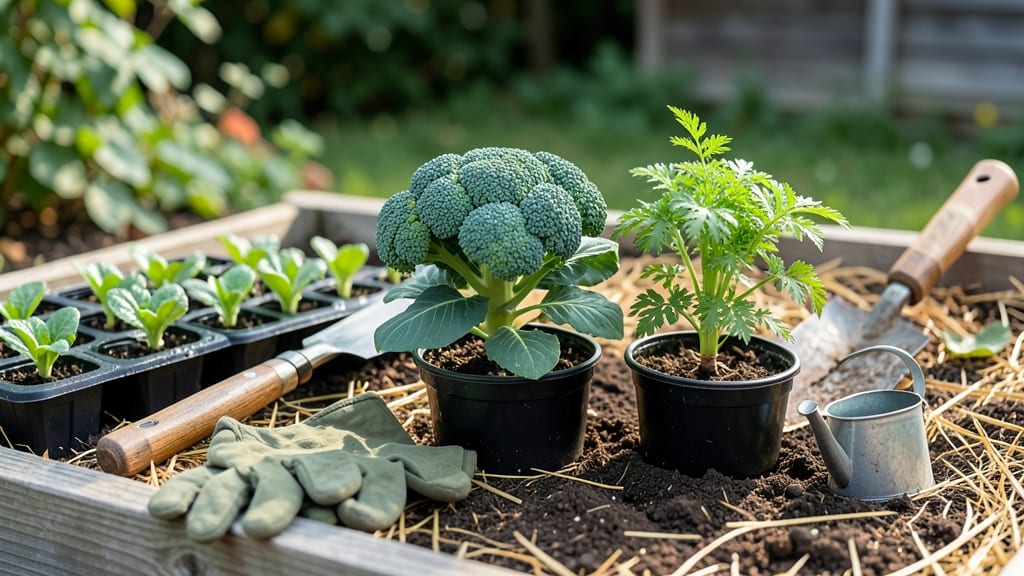
Planting a fall garden in South Texas isn't just about timing—it's about beating the heat before it fades into winter. With summer stretching late into October, missing your 6-8 week window before the first frost (which rarely hits before December) could mean lost harvests.
The key is starting when soil temps drop below 85°F, usually around mid-August, but don’t wait too long.
This isn’t your typical fall garden guide. South Texas’s 9a-10a climate demands a different approach—think heat-tolerant crops like okra and collards that thrive when others wilt.
I’ll show you exactly when to plant each variety, how to adjust for stubborn summer heat, and which crops will reward you with harvests through December.
You’ll also discover how to prep your soil for the transition from scorching summer to milder fall days, plus local pest alerts that could sabotage your garden if you’re not prepared.
Whether you’re a first-time gardener or a seasoned pro, these deadlines and strategies will help you grow a garden that actually produces in South Texas’s unpredictable climate.
Let’s get started—your fall harvest depends on it.
Critical planting deadlines for zero-frost fall vegetables in South Texas heat zone 9b
In South Texas Heat Zone 9b, where first frost rarely occurs before mid-December, your fall garden hinges on soil temperatures and heat tolerance rather than frost dates. Unlike northern climates, you're working with a 6-8 week window between summer's last heatwave and winter's mild chill.
Miss it, and you'll face stunted growth or pest pressure from lingering humidity.
Your planting timeline starts when daytime highs drop below 95°F and soil temps fall under 85°F—typically late August to early September for coastal areas like Corpus Christi, and mid-September for inland regions like San Antonio.
These dates align with USDA 9b guidelines but require local adjustments due to microclimate variations (e.g., Rio Grande Valley stays warmer longer).
🌱 Key Deadlines:
- Zero-frost crops (okra, sweet potatoes, malabar spinach): Plant by September 15 for harvest before November heat stress.
- Transitional crops (black-eyed peas, collards, kale): Plant by October 1 to mature before December's rare frosts.
- Cool-season herbs (cilantro, parsley): Start seeds by September 20 for 60-day harvests before winter slows growth.
| Crop Type | Planting Window | Soil Temp Threshold | Key Notes |
|---|---|---|---|
| Zero-Frost Vegetables | August 20 - September 15 | <85°F | Okra, sweet potatoes, malabar spinach; tolerate 90°F+ |
| Transitional Crops | September 1 - October 1 | 70-85°F | Collards, black-eyed peas, kale; need cooling trend |
| Cool-Season Herbs | September 15 - October 10 | <80°F | Cilantro, parsley, dill; bolt in heat |
| Root Crops | September 10 - October 5 | 75-85°F | Carrots, beets, turnips; avoid summer planting |
For coastal areas (e.g., Brownsville, Corpus Christi), push deadlines 1-2 weeks later due to maritime moderation. Inland zones like San Antonio or Austin may need to plant 2 weeks earlier to escape late-season heat.
Use a soil thermometer ($15 at garden centers) to verify readiness—consistent temps below 85°F are non-negotiable for seed germination.
Pro tip: Direct-sow heat-tolerant crops like 'Blackie' okra in late August—they thrive in 90°F+ soil and won't bolt like cool-season varieties. For transplants (tomatoes, peppers), wait until September 15 to avoid transplant shock from residual summer heat.
Harden off seedlings for 7-10 days by gradually exposing them to afternoon sun and South Texas humidity.
Watch for false starts: A single 90°F day in October can stress young plants or trigger bolting in leafy greens. Monitor National Weather Service forecasts for heat advisories—if temps spike above 95°F after planting, provide 30% shade cloth until conditions improve.
This is especially critical for broccoli and cabbage, which won't tolerate heat stress past the seedling stage.
Extend your window with mulching: Apply 2-3 inches of straw or wood chips to lock in moisture and cool soil. In container gardens, use black plastic
How to adjust planting dates for South Texas’ unpredictable heat patterns
South Texas’ late-summer heat can throw off even the most precise planting schedules. If your soil temperature stays above 85°F into September, traditional fall planting windows shrink dramatically. I’ve learned to use soil thermometers and shade cloth to buy extra weeks for heat-sensitive crops like kale or broccoli.
Start by checking your local frost dates—Corpus Christi’s average first frost is December 15, but inland areas like San Antonio may see frost 2 weeks earlier. Plant zero-frost crops like okra or sweet potatoes as early as late July if your soil cools below 80°F by afternoon.
For transitional crops (e.g., collards, turnips), wait until mid-August when daytime highs dip below 95°F. Use drip irrigation to maintain moisture without overheating seedlings. I’ve had success with 50% shade cloth over new transplants during 100°F+ heatwaves.
- 🌡️ Soil Temp Rule: Wait until soil drops below 85°F (use a thermometer at 4-inch depth).
- ☀️ Shade Strategy: Apply 30-50% shade cloth for seedlings during peak heat (12-4 PM).
- 💧 Watering Hack: Water deeply at dawn to reduce evaporation—avoid evening watering.
- 📅 Late Start? Opt for fast-maturing varieties (e.g., 'Early Siberian' kale, 'Tennessee Purple' turnips).
- 🌱 Succession Plant: Sow every 2 weeks in August-September for staggered harvests.
Don’t assume your microclimate matches the average. Coastal areas like Port Aransas stay warmer longer, while Hill Country regions near Austin can drop faster. I’ve seen black-eyed peas thrive in San Antonio when planted in early September, but Corpus Christi gardeners often wait until mid-September.
For extreme years with October heatwaves, switch to heat-tolerant varieties like 'Blackie' okra or 'Malabar spinach'. These handle 90°F+ soils better than traditional fall crops. Always test your soil pH (aim for 6.0-6.8) before planting—South Texas’ calcareous soil can lock out nutrients.
Pro tip: Use mulch (straw or wood chips) to keep soil cool and retain moisture. In my Edinburg garden, mulched beds stayed 10°F cooler than bare soil during September heatwaves. This extra insulation lets me plant 1-2 weeks later without risking seedling stress.