
Plants
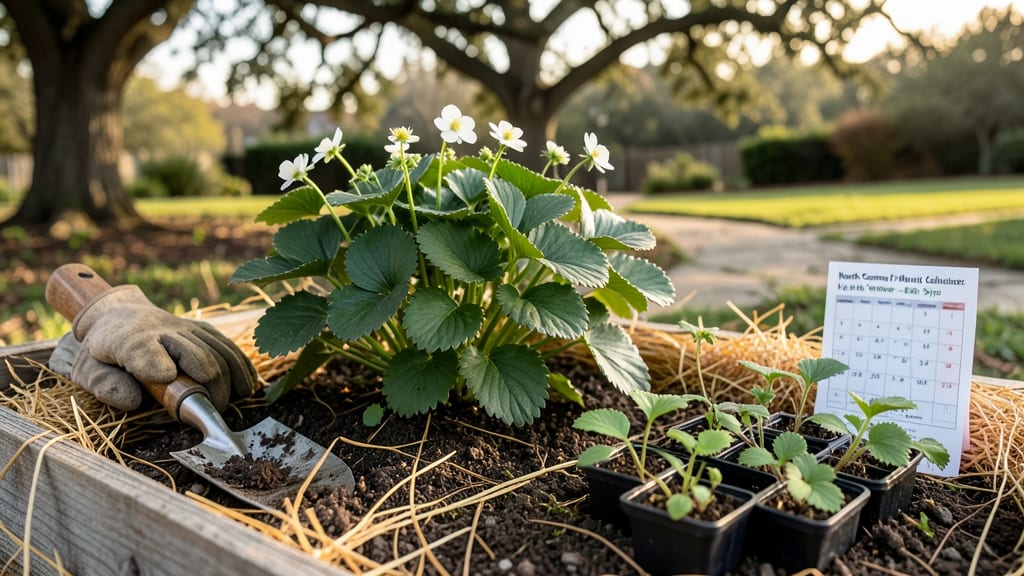
Planting strawberries in North Carolina at the wrong time means risking frost damage—or worse, missing out on those juicy harvests you’ve been dreaming of. The key to success lies in understanding your zone and the perfect frost-free window, whether you’re growing June-bearing, everbearing, or day-neutral varieties.
With USDA zones ranging from 6a to 8b, North Carolina offers two ideal planting windows: late winter to early spring (February–April) and late summer (July–August).
But timing isn’t one-size-fits-all—coastal areas and the Piedmont have different last-frost dates, and your choice of planting method (bare-root, potted, or seed) also plays a role.
I’ll break down exactly when to plant for your specific zone, how to prep your soil, and which varieties thrive best in NC’s climate. Whether you’re a first-time gardener or a seasoned grower, these tips will help you avoid common mistakes and extend your harvest season.
Ready to dig in? Let’s make sure your strawberries get off to the best start—because nothing beats the taste of homegrown 🍓 straight from your garden.
North Carolina strawberry planting calendar by USDA zones 7a-8b
North Carolina’s diverse climate zones (7a-8b) create ideal conditions for strawberry cultivation, but timing your planting is critical to avoid frost damage and maximize yields. The last frost dates vary significantly—from early March in Zone 8b to late March in Zone 7a—so adjust your schedule accordingly.
Most gardeners in NC focus on two primary planting windows: early spring and late summer.
For spring planting, aim to get strawberries in the ground 4-6 weeks before your last frost date. This gives roots time to establish before warm weather arrives.
In Zone 7a, that’s typically mid-February to early March, while Zone 8b gardeners can plant as late as mid-April. Soil temperature is your best guide—wait until the ground reaches 40°F (4°C) at a 4-inch depth.
Don’t overlook fall planting, which can yield earlier harvests the following spring. Plant bare-root strawberries in late summer (July-August), allowing roots to establish before winter dormancy. This method works best in cooler inland areas like the Piedmont region, where summers aren’t as intense as coastal zones.
🌱 Coastal NC (Zone 8a/8b) has a longer growing season, so you can push spring planting into early April and even attempt fall planting in September for a winter harvest.
However, humidity and heat in these areas demand extra care—shade cloth and consistent watering become essential during peak summer months.
If you’re planting June-bearing varieties (like Chandler), prioritize spring planting for a single massive harvest in late spring. For everbearing or day-neutral varieties (such as Seascape), you can experiment with successive plantings every 2-3 weeks from spring through summer to stretch your harvest from May through October.
For container gardening in NC’s hotter zones (like Zone 8b), start potted strawberries indoors in late winter and transplant them after your last frost date. This gives you a head start on the season and helps avoid heat stress during critical root establishment.
Just remember to harden off your plants gradually before moving them outside.
🌿 Regional variations matter: Inland areas like Asheville (Zone 7a) can experience later frosts than coastal Wilmington (Zone 8b). Check your local cooperative extension service for precise frost data—this small adjustment can mean the difference between a thriving patch and a frost-bitten disappointment.
Once your strawberries are planted, mulching with straw (not plastic) helps regulate soil temperature and retain moisture. In Zone 7a, this is especially important during shoulder seasons when temperatures fluctuate wildly.
Pair this with drip irrigation to keep roots consistently moist without inviting fungal diseases that thrive in NC’s humidity.
💧 Watering strategy: Strawberries need 1-1.5 inches of water weekly, but deep, infrequent watering encourages stronger roots. In Zone 8b’s heat, you may need to water every 2-3 days during dry spells. Always water at the base of plants to prevent powdery milde
How to choose between bare-root vs. potted strawberry plants for NC’s climate
Choosing the right planting method for strawberries in North Carolina depends on your local zone, seasonal timing, and planting goals. Both bare-root and potted strawberries thrive here, but each has distinct advantages for NC’s mild winters and hot summers.
Let’s break down when and why to use each method for optimal harvests.
Bare-root strawberries are budget-friendly and widely available in early spring (February–March), making them ideal for June-bearing varieties like Chandler. These plants arrive without soil, allowing you to inspect roots and plant them directly into well-prepared beds. However, they require immediate planting to prevent root desiccation.
Potted strawberries, on the other hand, offer flexibility for fall planting (July–August) or everbearing varieties like Seascape. They’re easier to handle and can be planted year-round in warmer zones (8a/8b), such as the coastal plains. Their established root systems also mean faster fruit production in the first season.
Bare-Root vs. Potted Strawberries: NC Planting Guide
| Factor | Bare-Root | Potted |
|---|---|---|
| Best Planting Time | Feb–Mar (spring) | July–Aug (fall) or year-round in 8a/8b |
| Cost | $0.50–$1.50 per plant | $1.50–$3.00 per plant |
| Root Health | Inspect for damage | Established, less stress |
| Best Varieties | Chandler (June-bearing) | Seascape (everbearing) |
| NC Zone Fit | 7a–8a (spring only) | 7a–8b (year-round) |
For Piedmont regions (USDA zones 7a–7b), bare-root plants are your best bet in early spring (February–March) when soil temperatures hover around 50°F. Plant them 1–2 weeks before your last frost date to ensure roots establish before heat arrives.
In coastal areas (8a/8b), potted plants give you a second harvest window in fall.
If you’re planting everbearing varieties like Jewel or Ozark Beauty, potted plants let you stagger plantings for extended harvests. For example, plant half in early spring and the other half in late summer to enjoy berries from May through October.
This strategy works especially well in Zone 8b, where winters are milder.
Pro tip: If you choose bare-root plants, soak the roots in lukewarm water for 1–2 hours before planting to revive dormant roots. For potted plants, water thoroughly 24 hours before transplanting to reduce shock.
Both methods require well-draining soil and full sun—just adjust your timing based on your local microclimate.