
Plants
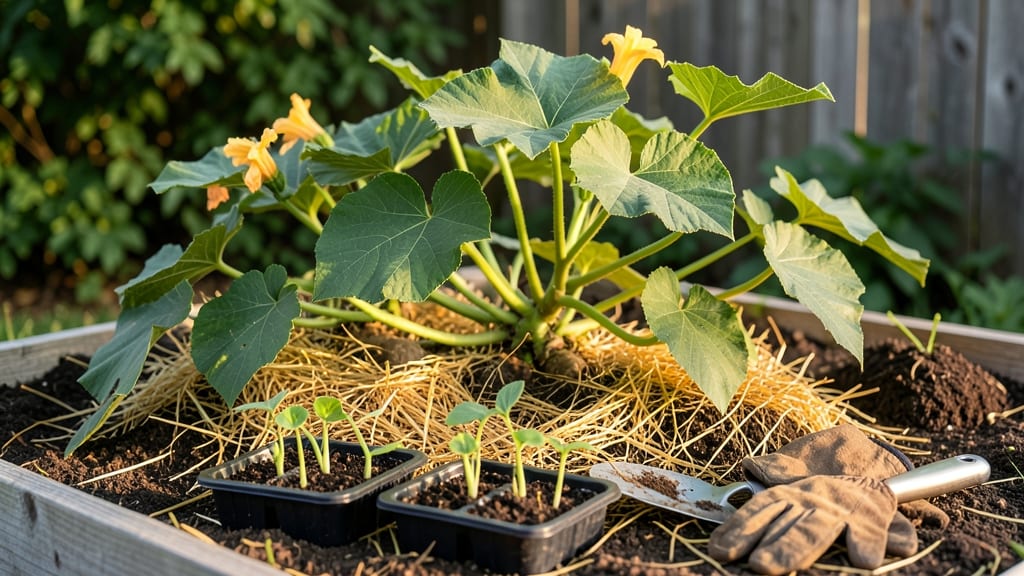
Planting sweet potatoes in North Carolina at the wrong time can mean the difference between a bumper crop and a total bust—especially when frost lingers or summer heat arrives too soon.
The perfect window for getting slips into well-warmed soil (after last frost, when temps hit 65°F) is mid-April to early June, but regional variations in NC’s 7a-8b zones mean Piedmont gardeners have a few extra weeks compared to mountain growers.
Here’s the game-changer: whether you’re planting slips (rooted cuttings) or slip slides (pre-sprouted slips), timing isn’t just about dates—it’s about soil temperature and avoiding those late-May heatwaves that stress young plants.
I’ll break down the exact frost-free timeline for your corner of NC, plus why slips consistently outperform seeds in our climate.
Missed the window? Don’t panic. I’ll also share how to extend your growing season with mulch and row covers, so you can still harvest sweet potatoes 🍠 into November—just like the pros do. Let’s get those slips in the ground the right way, the first time.
Ready to avoid the top 3 planting mistakes NC gardeners make? From overwatering to planting too shallow, we’ll cover it all so your sweet potatoes thrive from slip to harvest. Let’s dig in.
Best planting dates for sweet potatoes in NC: frost-free timeline
North Carolina’s three distinct climate zones mean your sweet potato planting window varies from Coastal to Mountain regions. The key rule? Wait until the soil temperature hits 65°F+ and all frost risk has passed.
In most of NC, this lands between mid-April and early June, but let’s break it down by zone.
For Coastal NC (Zones 8a-8b), you can start as early as late March—warmer soils thaw faster here. In the Piedmont (Zones 7a-7b), aim for mid-April to May 1st, while Mountain regions (Zone 7a) should wait until after May 15th to avoid late frosts.
Use your local NC State Extension frost date maps as your guide.
Soil temperature is more critical than air temperature. Test it with a soil thermometer—sweet potatoes won’t thrive below 65°F. If you plant too soon, your slips will rot in cold soil. Pro tip: Use black plastic mulch to warm the soil faster if you’re eager to plant early.
Here’s a quick regional cheat sheet to avoid common mistakes. Miss this window, and you risk stunted growth or disease pressure from prolonged humidity.
| NC Region | USDA Zone | Planting Window | Soil Temp Threshold | Key Risk |
|---|---|---|---|---|
| Coastal (e.g., Wilmington) | 8a-8b | Late March–April 15 | 65°F+ | Late frost (rare but possible) |
| Piedmont (e.g., Raleigh) | 7a-7b | Mid-April–May 1 | 65°F+ | Cold soil delays growth |
| Mountains (e.g., Asheville) | 7a | After May 15 | 65°F+ | Short growing season |
🌱 Pro Tip: Use row covers for 2 weeks post-planting to protect young slips from unexpected chills.
If you’re in Zone 7a (Mountains), consider staggered planting—start with a few slips in late May, then add more in early June. This spreads your harvest and reduces risk.
For Coastal gardeners, you can even squeeze in a second planting in early July for a fall harvest, though yields may be smaller.
One common mistake NC gardeners make? Planting based on air temperature alone. A 70°F day with 50°F soil will stress your slips. Always check soil temp before planting. Use a moisture meter with a soil thermometer for accuracy—it’s a game-changer for first-time growers.
For organic gardeners, amend your soil with compost or aged manure 2-3 weeks before planting. Sweet potatoes thrive in loamy, well-draining soil with a pH of 5.8–6.5.
If your soil is heavy clay, build raised beds to improve drainage. Poor drainage leads to rotten tubers, a heartbreaking waste of effort.
Once you’ve nailed the planting date, the next decision is slips vs. slip slides. While this section focuses on timing, choosing the right planting method can double your yield.
Stay tuned for our next breakdown on which option works best for NC’s climate—slips for beginners or slip slides for maximum harvests?
Remember: Sweet potatoes need 90–120 days to mature. Plant too late, and you’ll harvest small tubers before the first frost. Use a planting calendar to mark your last frost date and count backward—this ensures you’re in the ideal window for a bountiful harvest.
Sweet potato slips vs. slip slides: which gives Higher yields?
If you’re growing sweet potatoes in NC, you’ve probably heard the debate: slips (rooted cuttings) or slip slides (pre-formed slips with roots). Both methods work, but one could give you up to 30% more yield—and it depends on your NC region and growing conditions.
Let’s break down the pros and cons so you can decide which method suits your garden best.
Slips are the traditional choice for NC gardeners. These are young plants grown from sweet potato seeds or cuttings, typically 4-6 inches tall with small roots. They’re easy to find at local nurseries or even grow at home from store-bought sweet potatoes. The advantage? Slips are hardy and adapt well to NC’s varied climates, from the Coastal Plain to the Mountains.
On the other hand, slip slides are a newer, more advanced method where slips are pre-grown in a gel-like medium that encourages faster root development. This method is gaining popularity because it reduces transplant shock and speeds up growth.
If you’re in a shorter growing season (like the Mountains), slip slides can give you a head start.
🌱 Slips
- ✅ Easier to find at nurseries
- ✅ Adaptable to NC’s climate (Coastal to Mountains)
- ✅ Lower cost per plant
- ❌ Slower establishment (2-3 weeks to root)
- ❌ Higher risk of transplant shock if not hardened off
🌿 Slip Slides
- ✅ Faster growth (roots pre-formed)
- ✅ Less transplant shock (ideal for short seasons)
- ✅ Higher yield potential (up to 30%)
- ❌ Harder to find (specialty suppliers)
- ❌ Higher upfront cost per plant
For Coastal NC gardeners, slips are often the best bet because of the longer growing season. You can plant them as early as mid-April and still have plenty of time for a bountiful harvest.
However, if you’re in the Mountains or Piedmont, where summers are shorter, slip slides might be worth the investment. They’ll help you maximize your harvest window and avoid losing yield to early frosts.
Here’s a quick tip: Stagger your planting by 2-3 weeks if you’re using slips. Plant half in late April and the other half in early May to spread out your harvest and reduce risk.
If you go with slip slides, plant all at once in early May for a more concentrated harvest.
No matter which method you choose, soil temperature is key. Wait until the soil is at least 65°F before planting—this is critical for both slips and slip slides to establish roots quickly. Use a soil thermometer to check, especially in cooler NC regions like the Mountains.
Want to experiment? Try half slips and half slip slides in your garden this year. Compare yields and see which method works best for your NC climate. Either way, you’ll be well on your way to a sweet potato harvest that’ll impress your neighbors! 🍠