
Plants
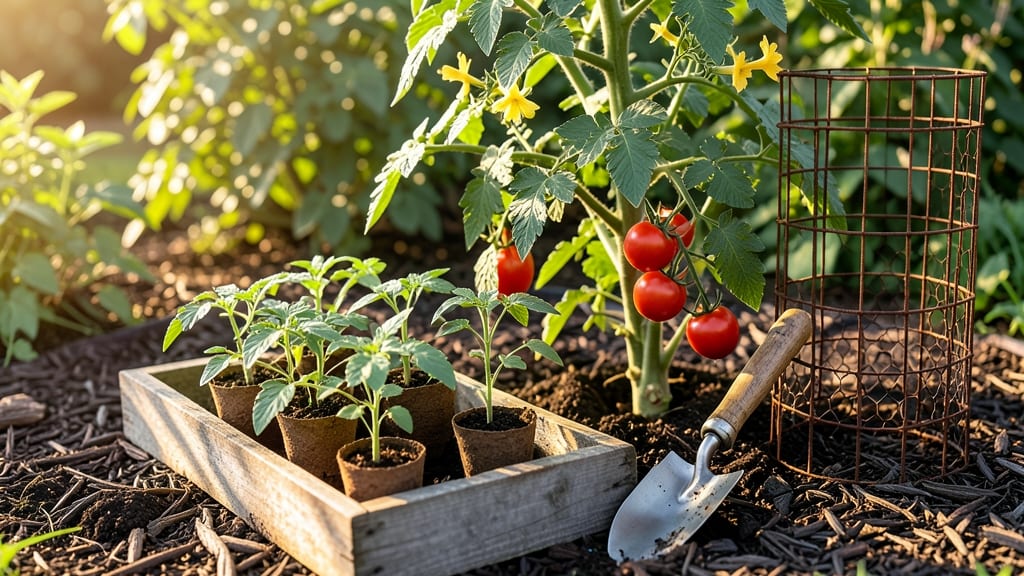
Planting tomatoes in Kansas isn’t just about grabbing seeds and sticking them in the dirt—it’s about timing your 🍅 crop to beat frost, heat, and Kansas’s unpredictable weather. Get it wrong, and you’ll either lose your plants to late frosts or watch them struggle in the summer’s sweltering winds.
Most Kansas gardeners wait until April 15 to May 15, but your exact window depends on whether you’re in the cooler 5b zones of the north or the warmer 7a areas of the south.
The key? Planting after the last frost—typically between April 1 and 15—but also ensuring your soil is warm enough to support strong root growth.
Here’s what I’ve learned from years of Kansas gardening: starting seeds indoors 6-8 weeks before your last frost date gives you a head start, while direct sowing outdoors works best after soil hits 60°F.
And if you’re growing heat-loving varieties like ‘Celebrity’ or ‘Solar Fire,’ you’ll want to plant them later to avoid early blight.
Ready to grow a bountiful harvest? I’ll walk you through the exact dates, soil prep tricks, and even how to stretch your season with row covers—so you can enjoy homegrown tomatoes from June to October without the guesswork.
Kansas last-frost dates by region: when to plant tomatoes safely
Kansas’s diverse climate zones mean your tomato planting window can vary by hundreds of miles. In southern Kansas (USDA Zone 7a), you might start transplanting by April 15, while northern regions (Zone 5b) often wait until May 1 or later.
These differences are critical for avoiding late spring frosts that can devastate young seedlings in just 30 minutes.
To pinpoint your exact last-frost date, check the Kansas State University Extension frost maps or use the National Weather Service historical data.
For most of Kansas, the average last frost falls between April 1 and April 15, but microclimates (like urban heat islands or south-facing slopes) can shift this by 1-2 weeks.
Here’s how to translate frost dates into actionable planting windows for your tomato varieties. Whether you’re growing heirloom tomatoes, cherry tomatoes, or heat-resistant hybrids, timing ensures a bountiful harvest before Kansas’s first frost in October.
🌱
For direct sowing (planting seeds outdoors), add 2-3 weeks to these transplant windows. Seeds need warm soil (60°F+) to germinate, so black plastic mulch can help kickstart the season in cooler zones.
I’ve even seen gardeners in Zone 5b use mini-greenhouses to start seeds as early as March 15.
If you’re starting seedlings indoors, begin 6-8 weeks before your last frost date. For southern Kansas, that means mid-February, while northern Kansas gardeners should wait until late March. Harden off seedlings for 7-10 days before transplanting to avoid shock.
Pro tip: Use biodegradable seedling pots to transplant seedlings with their root balls intact. This reduces stress and speeds up recovery, giving your tomatoes a head start in the competitive Kansas growing season.
🌿
Remember, tomatoes need warmth—they won’t thrive if nighttime temps drop below 50°F. In northern Kansas, I’ve had cherry tomato plants bolt (flower prematurely) when exposed to cold snaps in May. To avoid this, monitor your local 10-day forecast and use frost cloth if needed.
For extended harvests, consider succession planting every 2 weeks after your initial transplant date. This ensures a continuous supply of tomatoes from June through October, even in Kansas’s shorter growing seasons.
🍅
Best tomato varieties for Kansas: early vs. late planting strategies
Choosing the right tomato varieties for Kansas is key to maximizing your harvest. The state’s short growing season in northern regions and hot summers in the south demand different strategies.
Early-maturing varieties like 'Early Girl' (60 days) thrive in cooler zones, while heat-tolerant types like 'Solar Fire' (80 days) shine in southern Kansas.
For northern Kansas (USDA zones 5b-6a), prioritize fast-maturing varieties with cold tolerance. Southern Kansas (zones 6b-7a) benefits from heat-resistant and drought-tolerant hybrids. My top picks include 'Stupice' (55 days) for early harvests and 'Celebrity' (70 days) for reliable yields in both regions.
Succession planting is a game-changer. In northern Kansas, stagger plantings every 2 weeks from late April to early May to extend harvests. Southern Kansas gardeners can start earlier (mid-April) and add a second planting in early June for a fall crop before the first frost.
Early-Maturing Varieties
Heat-Resistant Varieties
- ✅ Harvests in 60-70 days
- ✅ Works in cooler zones
- ✅ Good for short seasons
- ❌ Limited heat tolerance
- ❌ Smaller fruit size
- ✅ Thrives in hot summers
- ✅ Larger fruit yields
- ✅ Better disease resistance
- ❌ Needs longer season
- ❌ Risk in early frosts
Consider determinate varieties like 'Roma' for canning or indeterminate types like 'Better Boy' for continuous harvests. For container gardening, dwarf varieties like 'Tiny Tim' (55 days) are perfect for patios or balconies in urban Kansas gardens.
Always check seed packets for days to maturity and adjust planting dates accordingly. For example, if your last frost is April 15 and you choose a 70-day variety, aim to transplant by April 1 to ensure a harvest before the first frost in October.
Pro tip: Use row covers or cold frames to extend the season for heat-loving varieties in northern Kansas. This lets you plant 2-3 weeks earlier without frost risk.
🌱