
Plants
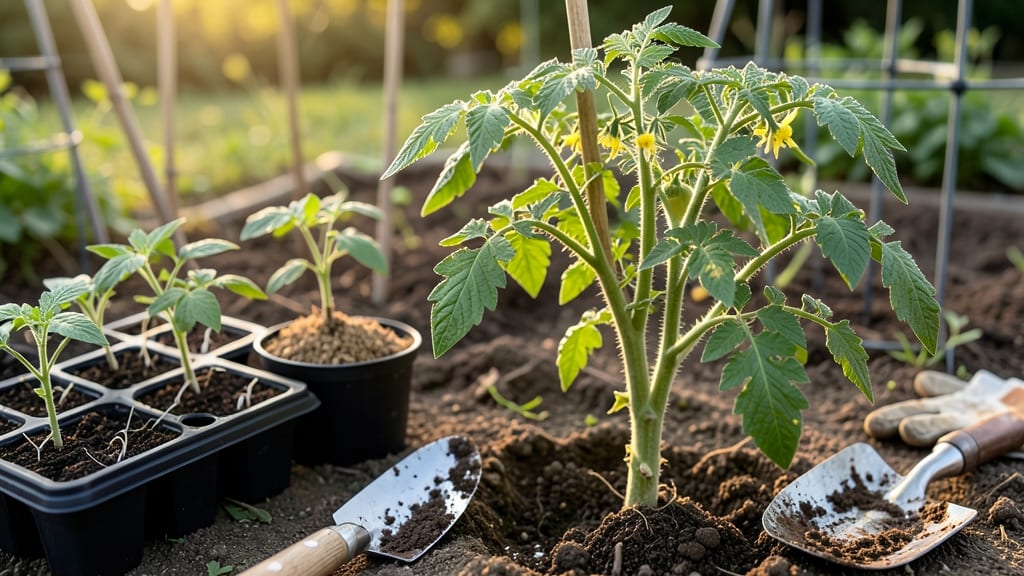
Planting tomatoes in North Carolina at the wrong time can turn your garden dreams into a frosty disappointment—or worse, a disease-ridden mess.
The key to a bountiful harvest lies in knowing exactly when to get those seedlings in the ground, whether you're in the Piedmont's 6b zone or the coastal 8a warmth.
Most gardeners in North Carolina rush to plant too early, only to watch their 🍅 seedlings wilt under unexpected late frosts. But timing isn’t just about avoiding frost—it’s also about soil temperature.
Waiting until mid-April (after your last frost) or late July (for fall harvests) ensures your tomatoes thrive when conditions are just right.
In this guide, I’ll break down the perfect planting windows for your region, whether you’re starting seeds indoors or transplanting seedlings. You’ll learn how to prepare your soil, choose the right varieties for your microclimate, and even extend your harvest with simple tricks.
Ready to grow tomatoes that actually produce? Let’s dive into the localized schedule that’ll turn your garden into a fruit-filled paradise—no guesswork required.
North Carolina frost dates & best planting windows by region
North Carolina’s diverse climate means last frost dates can vary by hundreds of miles. In the Coastal Plain, gardeners often plant tomatoes as early as mid-March, while mountain regions like Asheville wait until mid-April.
These differences matter because tomatoes thrive in warm soil—below 50°F, seeds won’t germinate, and seedlings risk frost damage.
For accurate timing, I always check the USDA Plant Hardiness Zone Map.
Most of NC falls in zones 6b–8a, but microclimates (like urban heat islands or sheltered valleys) can shift your ideal planting window by 1–2 weeks. Soil temperature, not air temperature, determines readiness—aim for 60°F+ at least 6 inches deep.
Here’s how I break it down by region, including optimal transplant dates for both spring and fall harvests:
| Region | Last Frost Date | Best Transplant Window | Fall Planting Window | Soil Prep Tip |
|---|---|---|---|---|
| Coastal NC (Wilmington, Morehead City) | March 1–15 | Mid-March to early April (early varieties) or late April (standard) | Late July to early August | Add compost to sandy soil to retain moisture. |
| Piedmont (Raleigh, Durham, Greensboro) | March 15–31 | Early April to mid-May | Late July to mid-August | Use black plastic mulch to warm soil faster. |
| Mountains (Asheville, Boone, Waynesville) | April 15–May 1 | Mid-May to early June | Late August to early September | Choose cold-tolerant varieties like 'Mountain Merit'. |
🌱 Pro Tip: Coastal areas can plant earlier, but mountains risk late frosts—wait for 3 consecutive days above 50°F.
Timing isn’t just about frost—it’s also about heat tolerance. In Raleigh’s 90°F summers, I avoid planting heat-sensitive varieties like 'Early Girl' after June 1.
Instead, I opt for heat-tolerant types (e.g., 'Solar Fire' or 'Heatmaster') for late-season plantings. Succession planting every 2–3 weeks ensures a steady harvest, whether you’re in the humid Coastal Plain or the drier Piedmont.
For fall harvests, I start seeds indoors in late May and transplant by late July.
This gives plants time to mature before the first frost, which typically hits October 15–November 1 depending on elevation. Row covers can extend this window by 2–4 weeks, protecting plants from light frosts (28–32°F).
One common mistake? Relying on air temperature alone. Soil stays cold even when daytime highs reach 70°F. I use a soil thermometer to confirm 60°F+ before planting. If your soil is still chilly, black plastic mulch or straw bales can warm it up 5–10°F faster.
North Carolina’s USDA Zone 7b–8a range means gardeners in Charlotte can plant 2 weeks earlier than those in Asheville. But don’t let that fool you—microclimates (like a sunny south-facing slope) can create pockets where you can plant 1–2 weeks earlier than your region’s average.
Always scout your garden for cold spots or heat sinks.
If you’re unsure about your local frost dates, I recommend checking the NC State Extension’s Frost/Freeze Tool or using a frost calendar app.
These tools account for historical data and help you avoid late-spring frosts, which can wipe out young seedlings overnight. Hardening off seedlings for 7–10 days before transplanting also improves their resilience to temperature swings.
For container growers, timing shifts slightly. Potted tomatoes warm up faster, so I transplant 1–2 weeks earlier than in-ground plants.
However, containers dry out quicker, so I water daily and use self-watering pots to prevent stress. Dwarf varieties like 'Tiny Tim' are ideal for containers and can handle earlier plantings than larger types.
Remember: Tomatoes need warmth, not just frost-free conditions. If your soil is still below 60°F, even after the last frost, delay planting. Use row covers or greenhouses to create a warmer microclimate if needed.
With the right timing, you’ll enjoy homegrown tomatoes from June to October—or even later with fall plantings!
Tomato variety planting schedule for North Carolina’s climate zones
North Carolina’s diverse climate—from the cool mountains to the warm coastal plains—means not all tomato varieties thrive at the same time. Choosing the right 🍅 type for your zone and planting it at the perfect moment can mean the difference between a bountiful harvest and a sad, underperforming plant.
For example, heat-tolerant varieties like 'Solar Fire' or 'Heatmaster' are perfect for the Piedmont and Coastal regions, while cooler-loving types like 'Celebrity' or 'Better Boy' do better in the mountains.
Below, I’ve broken down the best planting windows for each zone, along with tips for succession planting to keep tomatoes coming all season.
🌱 Key Takeaway: Soil temperature matters more than air temperature—wait until it reaches 60°F before planting outdoors.
For a continuous harvest, try succession planting—plant a new batch every 2-3 weeks from late May through early July. This ensures you’re always picking ripe tomatoes instead of facing a glut all at once.
Pro tip: Use row covers or black plastic mulch to warm soil faster and extend your growing season. In cooler zones like the mountains, you can even plant a fall crop in late July for a late-season harvest!