
Plants
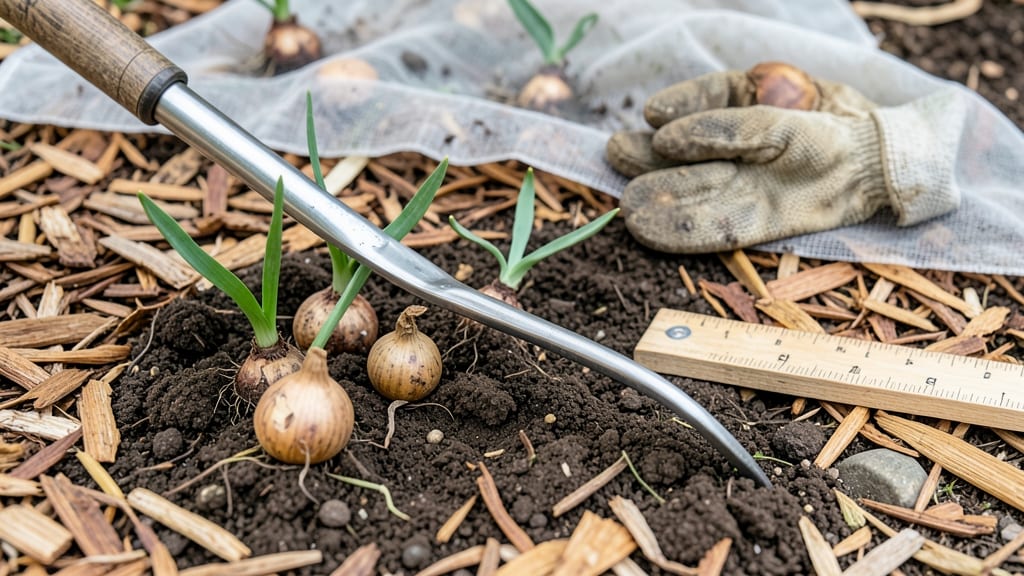
Planting tulips in Minnesota isn't just about dropping bulbs in the ground—it's about timing them perfectly between October and November to ensure those iconic 🌷 blooms survive the harsh winters and burst forth in spring.
If you've ever wondered why some gardens burst with tulips while others seem to struggle, the answer lies in understanding your USDA Zone 3b-5a climate. The key is planting bulbs when soil temperatures drop below 60°F, but before the ground freezes solid—typically 4-6 weeks before the first frost.
I've learned the hard way that rushing the process can lead to rotting bulbs, while waiting too long risks them not rooting properly before winter. The solution? A simple strategy that aligns with Minnesota's unpredictable frost patterns and gives your tulips the best chance to thrive.
Let me show you exactly how to nail that planting window, from soil prep to mulching techniques, so you can enjoy a garden bursting with color come May and June—without the guesswork.
Minnesota tulip planting zones: exact timing by USDA Zone (4-5)
Minnesota’s USDA Zones 4-5 create unique challenges for tulip planting, where soil temperature and frost dates dictate success. Unlike warmer climates, Minnesota’s short growing season means bulbs must establish roots before hard frost—typically by mid-October—but not so early that they rot in warm soil.
In Zone 4 (northern MN), aim for planting between mid-September and late October, prioritizing 4-6 weeks before ground freeze. Zone 5 (southern MN) offers a slightly longer window, but early November is the cutoff.
The key? Plant when soil temps drop to 40-50°F—cool enough to prevent rotting but warm enough for root growth.
Here’s the critical rule: Never plant tulips in Minnesota when soil is above 60°F. Warm soil triggers premature sprouting, which kills tender shoots in winter. Use a soil thermometer to verify conditions—this simple tool prevents costly mistakes.
Local frost forecasts are your best friend. Check the National Weather Service for your city’s first hard frost date (usually late October to early November in MN). Plant bulbs 6-8 weeks before this date to ensure roots establish before winter.
| Zone | Ideal Planting Window | Soil Temp Requirement | Critical "No-Plant" Period |
|---|---|---|---|
| 4 (Northern MN) | Mid-September to late October | 40–50°F (4–10°C) | After ground freezes (Nov 1+) |
| 5 (Southern MN) | Late September to early November | 40–50°F (4–10°C) | After first hard frost (Nov 15+) |
| Both Zones | 6–8 weeks before frost | Never above 60°F (15°C) | Soil temps >60°F (rot risk) |
Microclimates matter in Minnesota! A south-facing slope warms faster than a north-facing yard, delaying frost by 1-2 weeks. Adjust planting dates accordingly—plant earlier in shaded areas and later in sunny spots. Urban heat islands (like Minneapolis) may also extend your window by 7-10 days.
For container gardening, plant bulbs in pots by late September and move them to a garage or unheated shed if frost threatens early. This trick buys you 2-3 extra weeks of planting time. Just ensure containers have drainage holes to prevent waterlogged soil.
Pro tip: Stagger your planting for extended blooms. Plant 1/3 of bulbs in early October, another 1/3 in mid-October, and the final 1/3 in late October. This ensures flowers bloom over 3-4 weeks instead of all at once.
After planting, mulch heavily with 4-6 inches of straw or shredded leaves to insulate bulbs. This protects against freeze-thaw cycles and keeps soil temps stable. Remove mulch in early spring (March) to allow sunlight to trigger blooming.
Remember: Tulips need cold dormancy to bloom. If Minnesota’s winters warm (like in 2023-2024), bulbs may not get enough chill hours. In these cases, consider pre-chilling bulbs in your fridge for 8-10 weeks before planting.
5 Signs your Minnesota tulip planting timing is perfect (or terrible)
Getting the tulip planting timing right in Minnesota isn’t just about checking a calendar—it’s about reading your garden’s hidden clues. The difference between vibrant spring blooms and wasted bulbs often comes down to subtle signs most gardeners miss.
I’ve learned to watch for these 5 key indicators to ensure my tulips thrive.
First, soil temperature is your best friend. Tulip bulbs need the ground to be below 60°F (15°C) but not frozen. Stick your finger 4-6 inches deep—if the soil feels cool but workable, it’s time.
Planting too early in warm soil risks rot, while waiting too long means bulbs won’t root before frost. Pro tip: Use a soil thermometer for precision.
Next, check your local frost forecast. Minnesota’s first hard frost typically hits mid-October, but timing varies yearly. Aim to plant 4-6 weeks before the ground freezes—usually late September to early November.
If your forecast shows frost within 2 weeks, your window is closing fast. Never plant when frost is imminent; bulbs need time to establish roots.
🌱 5 Signs Your Planting Timing Is Perfect
- Soil is cool but workable (4-6" deep, <60°F/15°C)
- 4-6 weeks until first frost (check local forecasts)
- Bulbs are firm and dry (no signs of sprouting)
- Ground isn’t soggy (well-draining soil is critical)
- Daylight is shortening (signals bulb dormancy period)
⚠️ 3 Red Flags You’re Planting Too Late
- Bulbs are sprouting (they’ll rot in cold soil)
- Frost is forecasted within 2 weeks (roots won’t establish)
- Soil is frozen or rock-hard (bulbs can’t penetrate)
Don’t overlook bulb condition—healthy bulbs are your secret weapon. Before planting, inspect each bulb for firmness and dryness. If they feel soft or have mold, they’re past their prime. Discard any bulbs that show signs of sprouting; these won’t survive Minnesota’s winter if planted too late.
Store them in a cool, dark place until conditions improve.
Another common mistake? Ignoring microclimates. A sunny, sheltered spot in your yard might warm up 1-2 weeks earlier than a shady or windy area.
Plant in the warmest part of your garden first, then adjust for cooler zones. Test your soil in multiple locations—temperature can vary dramatically even in small spaces.
Finally, trust your gut (and your garden’s history). If you’ve planted tulips before, you’ll notice subtle cues like when nearby perennials start to brown or how quickly the ground cools after nighttime frosts.
Over time, you’ll develop an instinct for the perfect Minnesota planting window. Start with these signs, and soon you’ll be a tulip-timing pro! 🌷