
Plants
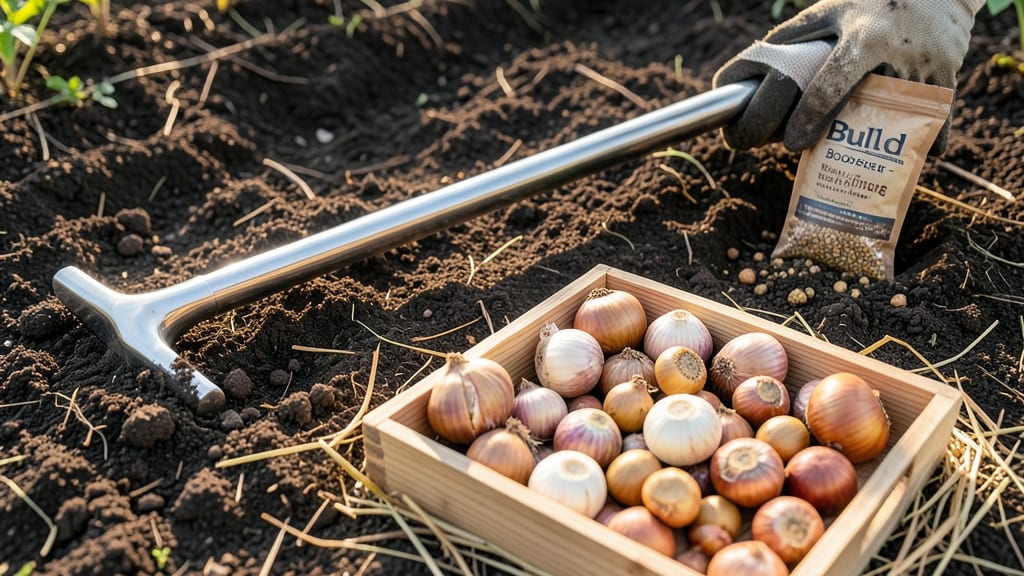
Planting your Spring Flowering Bulbs 🌷 at the right time in fall isn't just about luck—it's about giving those bulbs the perfect head start. The key to vibrant blooms next spring lies in understanding when to plant them, and soil temperature plays a bigger role than most gardeners realize.
If you've ever wondered why some bulbs thrive while others fail to sprout, the answer often comes down to timing. In USDA Zone 6a, like many other regions, the window is narrow—typically 6-8 weeks before the first frost.
But here's the trick: those bulbs need time to establish roots in soil that's still warm enough to encourage growth, usually between 60-70°F.
I've learned that rushing the process or waiting too long can mean the difference between a garden bursting with color and empty spots where nothing grows. The good news? With the right approach, you can time your planting like a pro and set yourself up for a show-stopping spring display.
Let me walk you through the exact steps to determine the best time for your climate, how to prep your soil for success, and which bulbs thrive under different conditions. By the end, you'll know exactly when to plant for perfect results—no guesswork required.
Optimal fall planting times by region: soil temperature rules for bulbs
Fall bulb planting isn’t one-size-fits-all—your USDA zone and soil temperature dictate the perfect window. Most bulbs need 6-8 weeks before the ground freezes to establish roots. The golden rule? Plant when soil temps hit 60-70°F—this triggers root growth without encouraging premature shoots.
In northern climates (Zones 3-5), aim for late September to mid-October. Warmer southern regions (Zones 7-9) have until November, but don’t delay—bulbs planted too late may rot before winter. Always check your last frost date and count backward.
Here’s the trick I use: Bury a soil thermometer 6 inches deep. When temps consistently stay between 50-60°F, it’s go-time. This method beats guessing by calendar dates alone, especially in erratic climates.
Regional variations matter. In Zone 4, I plant tulips by October 15th; in Zone 8, I stretch until November 15th. Early fall (August-September) works for hardy varieties like daffodils, but tender bulbs like hyacinths need cooler soil.
Pro tip: Use a planting calendar for your zone, but verify with soil temps. For example, a late October freeze in Zone 5 can kill bulbs planted after October 1st, even if the calendar says “safe.”
🌱 Fall Bulb Planting by USDA Zone
| Zone | Ideal Planting Window | Soil Temp Goal | Key Bulb Examples |
|---|---|---|---|
| 3-4 | Late August–September 15 | 50–60°F (10–15°C) | Daffodils, Crocus, Allium |
| 5-6 | September 15–October 15 | 55–65°F (13–18°C) | Tulips, Hyacinths, Fritillaria |
| 7-8 | October 15–November 15 | 60–70°F (16–21°C) | Dahlias, Lilies, Rain Lilies |
| 9-10 | November–December (early varieties) | 65–75°F (18–24°C) | Canna, Begonia Tubers |
⚠️ Note: Adjust for microclimates (e.g., frost pockets, urban heat islands).
Microclimates throw a wrench into regional guidelines. A south-facing slope warms faster than a north-facing yard, so plant earlier there. Conversely, low-lying areas freeze sooner—wait until after the first frost in these spots.
For container gardening, extend your window. Potted bulbs can go in 4-6 weeks before frost since containers warm faster. Just ensure pots have drainage holes to prevent rot. I’ve successfully planted tulips in containers as late as November 1st in Zone 6.
Don’t stress if you miss the ideal window. Daffodils and snowdrops tolerate late planting better than tulips. For latecomers, focus on well-draining soil and shallow planting (3x bulb height) to reduce frost risk.
Remember: The goal is root establishment, not blooms. Bulbs planted too late may still flower next spring—just smaller. Prioritize soil temp over calendar dates, and you’ll set up your garden for a show-stopping spring.
Optimal fall planting times by region: soil temperature rules for bulbs
Fall bulb planting success hinges on one critical factor: soil temperature. Most bulbs thrive when planted in soil between 60–70°F. This range allows roots to establish before winter dormancy.
In colder climates, aim for 4–6 weeks before first frost, while warmer regions may extend planting until late November.
Your local USDA hardiness zone dictates the ideal window. For example, gardeners in Zone 5 or colder should plant by mid-October, while those in Zone 8+ can wait until early December. Always check your last frost date—planting too late risks bulb rot before roots harden.
🌱 Fall Bulb Planting Timeline by Region
| USDA Zone | Soil Temp Range | Ideal Planting Window | Late Planting Cutoff |
|---|---|---|---|
| Zones 3–4 | 50–60°F | Mid-September to early October | October 15 |
| Zones 5–6 | 60–65°F | Late September to mid-October | November 1 |
| Zones 7–8 | 65–70°F | October to early December | December 15 |
| Zones 9–10 | 70–75°F | November to January | January 31 |
💡 Pro Tip: Use a soil thermometer ($10–$15) to verify temps before planting. Morning readings are most accurate.
Northern gardeners should prioritize early September planting for hardy bulbs like daffodils and crocus, which tolerate cooler soils. Southern climates can delay until late November, but avoid planting when daytime temps drop below 50°F—bulbs won’t root properly.
For container gardening, extend your window by using black plastic pots (absorb heat) or planting in greenhouses until soil cools. Just ensure pots have drainage holes to prevent root rot during winter rains.
Missed the window? Some bulbs like tulips and hyacinths can handle late fall planting if soil temps stay above 40°F. However, expect smaller blooms next spring due to limited root growth.
Always mulch after planting (2–3 inches of straw or shredded leaves) to insulate bulbs from frost heaves and maintain even soil temps. This simple step can boost survival rates by 30–50% in marginal climates.