
Plants
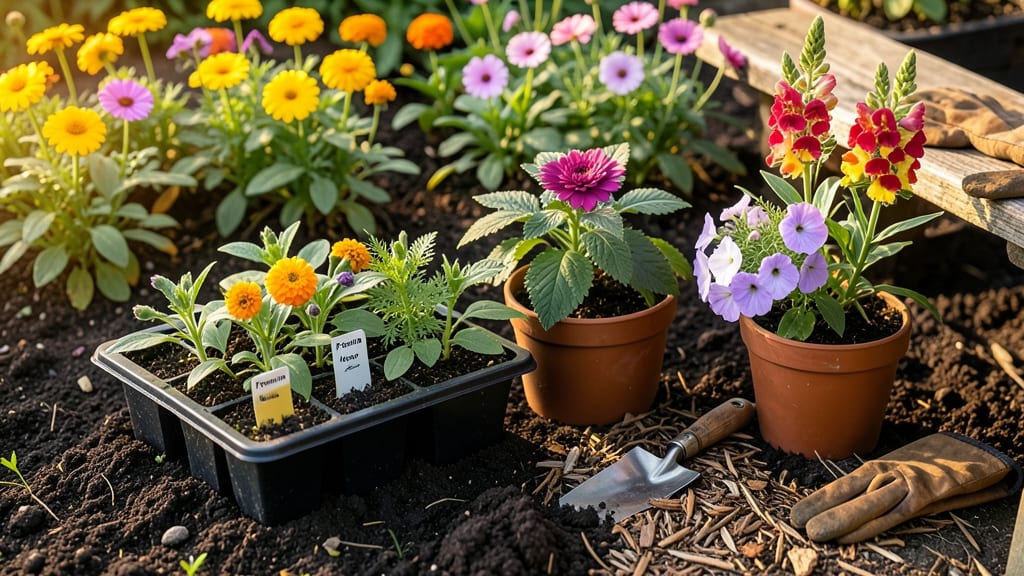
Knowing when to plant annuals in Zone 6 can mean the difference between a garden bursting with 🌸 vibrant blooms and one that wilts before it even begins.
The key isn't just waiting for the last frost—it's understanding how soil temperatures and seasonal shifts work together to give your plants the best start.
Most gardeners in 6a-6b know the mid-April to early June window is prime for planting after the last frost, but what if you miss it? Don't worry—late summer (August) still offers a second chance for warm-season annuals like tomatoes and marigolds.
The trick is matching your planting schedule to soil warmth, not just calendar dates.
I've learned the hard way that planting too early—when the ground is still chilly—can stunt growth or even kill tender seedlings. But with the right soil temperature tricks, you can beat frost risks and extend your growing season.
Whether you're a beginner or a seasoned gardener, these insights will help you plan like a pro.
Ready to transform your garden? Let's dive into the exact planting windows, soil temperature secrets, and the most reliable annuals for Zone 6. You'll discover how to turn frost from a foe into a friend—and keep your garden thriving all season long.
Zone 6 planting calendar: when to start annuals by soil temperature
Planting annuals in Zone 6 hinges on two critical factors: soil temperature and frost dates. Unlike perennials, annuals thrive when planted at the right moment—too early and frost zaps them, too late and they bolt or struggle.
My Zone 6 garden follows a simple rule: warm-season annuals (tomatoes, peppers) wait until soil hits 60°F+, while cool-season stars (lettuce, pansies) can handle 40°F-50°F soil.
Zone 6’s last frost date typically lands around April 15, but don’t rush—soil warms slower than air. I test soil temps with a soil thermometer (morning readings are most accurate). For heat-loving annuals, wait until late May or early June to avoid stunted growth.
Meanwhile, cold-hardy annuals like kale or snapdragons can go in as early as March under row covers.
Here’s the golden rule: Match plants to soil temps. Warm-season crops (like basil or sunflowers) need consistent warmth, while cool-season crops (like arugula or calendula) tolerate cooler soils. Skipping this step means wasted seeds or sad, leggy seedlings.
🌱
My Zone 6 garden starts with cool-season annuals in early spring, even if frost lingers. I use row covers to protect tender seedlings like broccoli or cabbage until soil warms. For warm-season plants, I wait until soil hits 60°F—no exceptions.
Skipping this step once cost me a batch of pepper seedlings that wilted overnight when a late frost hit.
Pro tip: Start seeds indoors 6–8 weeks before your last frost date. This gives heat-loving annuals a head start. I harden off seedlings outdoors in protected microclimates (like near south-facing walls) before transplanting. This two-step process cuts down on transplant shock and extends the growing season.
Don’t forget late summer plantings! Zone 6’s second planting window opens in August for cool-season crops like spinach or radishes. These thrive in fall’s cooler temps and often produce sweeter harvests before winter.
I mark my calendar for September 15 as the cutoff—after that, frost becomes a real threat.
🌿
One common mistake? Planting tender annuals too early because the air feels warm. Soil temps lag behind air temps by 1–2 weeks, so always check with a soil thermometer.
I’ve learned this the hard way—basil seeds planted in 50°F soil just sat there, unwilling to germinate, while my neighbor’s (who waited) thrived.
For extended seasons, I use black plastic mulch to warm soil faster in spring and straw mulch to insulate roots in fall. These tricks add 2–3 weeks to both ends of the growing season.
Pair this with succession planting (sowing seeds every 2 weeks), and you’ll have continuous blooms or harvests from spring to frost.
5 Soil temperature tricks to outsmart Zone 6 frost risks
Zone 6 gardeners face a tricky balance—soil that's too cold stunts growth, but planting too early risks frost damage. The solution? Soil temperature tricks that extend your growing season without risking your plants.
I’ve tested these methods in my own garden, and they’ve saved my tomatoes and marigolds from late spring frosts every time.
First, invest in a soil thermometer—it’s your best tool for timing plantings. Check temperatures in the morning (before 10 AM) for the most accurate reading.
Warm-season annuals like peppers and basil need soil at 60°F or warmer to thrive, while cool-season crops like kale and spinach can handle 40°F-50°F soil.
- 1. Use black plastic mulch to warm soil 10-15°F faster than bare earth. Lay it down 2-3 weeks before planting warm-season annuals.
- 2. Cover seedlings with row covers or frost cloth when nights dip below 40°F. Remove during the day for sunlight.
- 3. Build a cold frame over sensitive plants. A simple Plexiglas box can raise soil temps by 5-10°F and delay frost damage by 2-3 weeks.
- 4. Plant in raised beds—they warm up 2-3 days faster than in-ground soil. Fill with compost-rich mix to boost heat retention.
- 5. Adjust for late frosts by planting heat-loving annuals (like zucchini) in August instead of spring. Soil stays warm longer in late summer.
Don’t forget to monitor your local frost dates. While the average last frost in Zone 6 is April 15, late frosts can hit until May 10. Use these tricks to push your planting window 1-2 weeks later without risking damage.
Pro tip: If you’re planting cool-season annuals in fall, wait until soil cools to 50°F or below. This prevents bolting (premature flowering) in crops like lettuce and radishes.
With these soil temperature hacks, you’ll outsmart frost and enjoy a longer, more productive growing season—no matter how unpredictable Zone 6 weather gets. 🌡️