
Plants
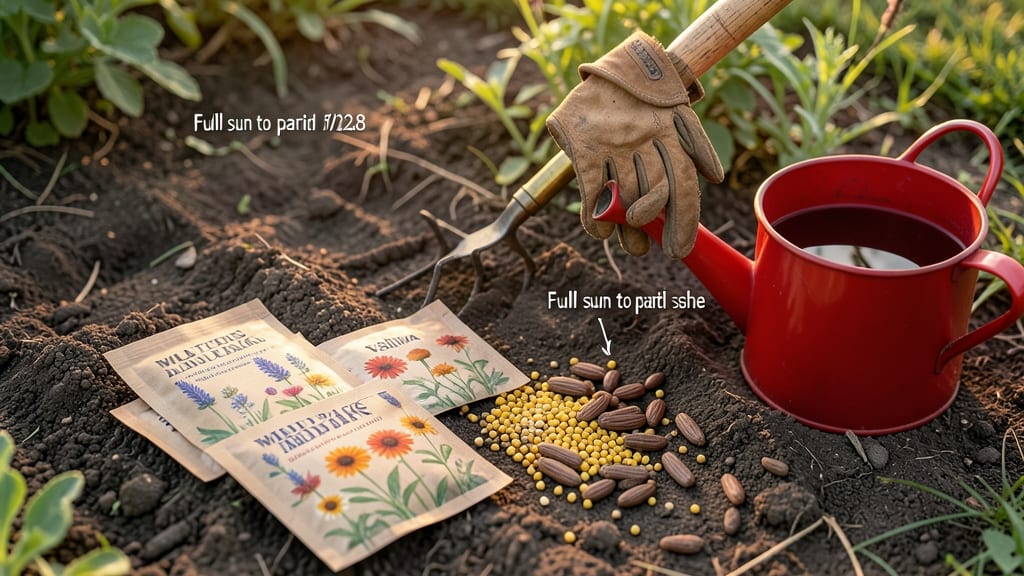
Planting wildflower seeds in Texas at the wrong time could mean missing out on that breathtaking 🌼 display that turns the state into a living postcard. The secret to success? Timing it right—whether you're in North Texas's cooler zones or South Texas's balmier climate.
Most gardeners swear by fall planting, but spring offers a second chance for vibrant blooms. I’ll break down the best months for each Texas region, so you can avoid frost damage or scorching heat that could ruin your efforts.
From preparing your soil to watering schedules, I’ll share the exact steps to ensure your wildflowers thrive. Whether you’re a first-timer or a seasoned gardener, these tips will help you create a pollinator-friendly paradise that lasts from spring to fall.
Ready to transform your yard into a wildflower wonderland? Let’s dive into the ideal planting windows and regional adjustments that make all the difference.
Best months to plant wildflower seeds in Texas by region
Texas’s diverse climate means your wildflower planting schedule should match your region. North Texas (like Dallas and Fort Worth) has cooler winters, while South Texas (Houston, San Antonio) stays warmer year-round. Central Texas (Austin) falls in between, and West Texas (El Paso, Lubbock) faces extreme heat and drought.
Each zone has its own ideal window for planting wildflower seeds to ensure vibrant blooms.
For most of Texas, fall planting (September-November) is the gold standard. Seeds germinate in cool soil, establish roots before winter, and burst into color the following spring.
But spring planting (February-April) works too, especially in warmer regions like South Texas. Let’s break down the best months for each region to maximize your wildflower success.
🌱
| Region | Best Planting Months | Key Considerations | Native Species to Try |
|---|---|---|---|
| North Texas (Zones 7b-8a) | September-October (fall) or February-March (spring) | Avoid frost (last frost: Feb 15). Soil temps below 50°F slow germination. | Bluebonnet, Indian Blanket, Blackfoot Daisy |
| Central Texas (Zones 8a-9a) | September-November (fall) or February-April (spring) | Fall rains help germination. Spring planting needs consistent moisture. | Mexican Feathergrass, Winecup, Coreopsis |
| South Texas (Zones 9a-10a) | September-October (fall) or February-March (spring) | Heat and drought tolerance critical. Plant after summer rains. | Bastard Cabbage, Evening Primrose, Lantana |
| West Texas (Zones 7b-8b) | September-October (fall) or March-April (spring) | Extreme heat/drought. Use mulch to retain moisture. | Prickly Poppy, Desert Marigold, Purple Coneflower |
If you’re in North Texas, aim for September-October planting to avoid late winter frosts that can kill young seedlings.
In Central Texas, you have flexibility—fall or spring—but fall is ideal because natural rainfall helps seeds germinate without extra effort. South Texas gardeners can plant year-round, but focus on September-October to beat summer heat.
For West Texas, where water is scarce, fall planting is non-negotiable. Seeds need moisture to germinate, and fall rains provide the perfect setup. If you miss fall, wait until March-April to avoid summer’s scorching temperatures.
Pro tip: Check your USDA Hardiness Zone for precise timing. Most Texas wildflower seed packets include regional planting guides—follow them! They’re tailored to local climate quirks, like North Texas’s unpredictable frost or South Texas’s humid summers.
🌿
Once you’ve picked your planting window, prepare your soil by removing weeds and loosening the top 2-3 inches. Wildflower seeds need light to germinate, so avoid burying them—just scatter and lightly rake.
After planting, water gently to settle seeds into the soil, then let nature take over. Overwatering can wash seeds away or cause rot.
For year-round blooms, stagger your planting. Start with fall seeds for spring color, then add spring seeds for summer blooms. This creates a continuous wildflower show from March through October, attracting bees, butterflies, and hummingbirds all season long.
🐝
How Texas climate affects wildflower seed germination success
Texas’s diverse climate—from North Texas’s chilly winters to South Texas’s scorching summers—can make or break your wildflower dreams. Soil temperature is the #1 factor for germination. Seeds need 60-70°F soil to sprout consistently, which is why fall planting often wins over spring in most regions.
In North and Central Texas, frost can sneak in as late as February 15, so planting in September or October gives seeds time to establish roots before winter. Meanwhile, South and West Texas rarely see frost, but intense summer heat (100°F+) can bake seeds before they sprout.
Rainfall timing also plays a critical role. Texas wildflowers like Bluebonnets and Indian Blanket thrive with 1-2 inches of rain per month during germination. Planting in fall aligns with Texas’s natural rainfall patterns, reducing the need for supplemental watering.
Drought-resistant native species, like Blackfoot Daisy and Mexican Feathergrass, handle Texas’s dry spells better than non-natives. These varieties germinate faster in cooler months when moisture is more reliable, giving them a head start before summer’s heat sets in.
Extreme weather—whether a late frost or an early heatwave—can derail your plans. For example, planting Bluebonnets in March in North Texas risks frost damage, while planting in May in South Texas may mean seeds dry out before sprouting.
Here’s how to adjust: Use mulch to retain soil moisture, and choose shade-tolerant species if planting in summer. Always check your USDA Hardiness Zone (6a-10b in Texas) and local frost dates to fine-tune your schedule.
🌱 Critical Climate Factors for Texas Wildflower Germination
| Factor | Ideal Range | Texas Adjustments |
|---|---|---|
| Soil Temperature | 60-70°F | Fall (Sept-Nov) or Spring (Feb-Apr) |
| Rainfall | 1-2 inches/month | Plant in fall for natural moisture |
| Frost Risk | Avoid before last frost | North TX: Plant by Oct 15; South TX: Year-round |
| Heat Tolerance | Native species >90°F | Choose drought-resistant mixes |
Pro tip: Test your soil’s moisture level before planting. Stick your finger 1 inch deep—if it’s dry, water lightly before scattering seeds. This small step can mean the difference between thriving blooms and failed germination.
Remember, Texas wildflowers are tough but not invincible. By aligning your planting with the natural rhythms of your region, you’ll set your garden up for a colorful, low-maintenance spectacle that lasts for years.