
Flowers
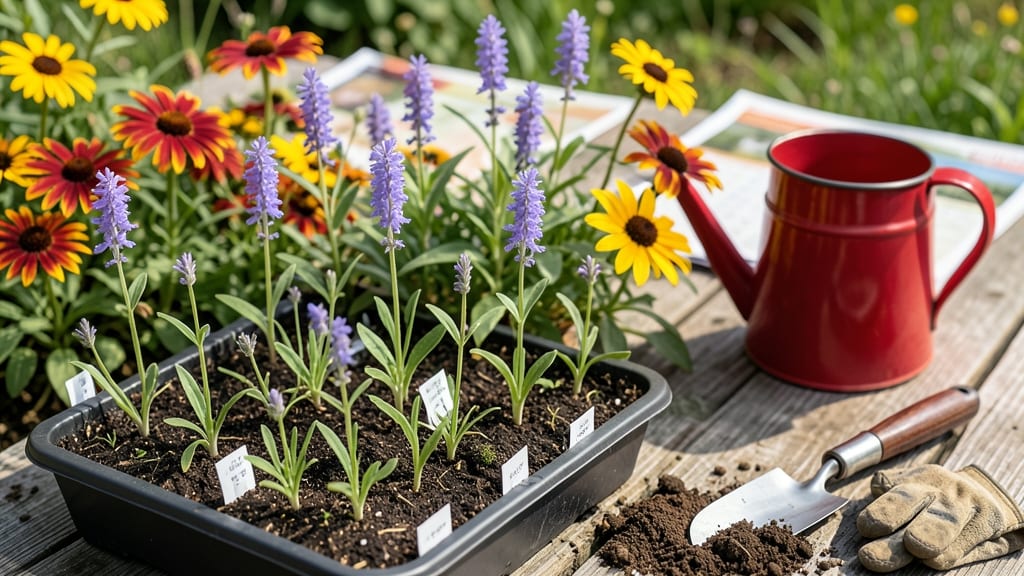
Timing your flower planting in Colorado can feel like a high-stakes guessing game—get it wrong, and your 🌸 might never bloom. But with the right window, your garden can burst into color from the Front Range to the Western Slope, no matter the elevation.
The best time to plant flowers in Colorado isn’t one-size-fits-all—it’s all about elevation. While lower elevations near Denver might be ready by late April, mountain gardens above 8,000 feet often wait until June, when the last frost finally retreats. Even a 1,000-foot difference can shift your planting schedule by weeks.
Most gardeners swear by two key seasons: spring (after last frost) and fall (August-September), when soil stays warm enough for roots to take hold. But here’s the secret—microclimates matter. A sheltered south-facing slope might be 10°F warmer than your neighbor’s yard, giving you an earlier start.
In this guide, I’ll break down the exact timing for your zone, plus pro tips to adjust for Colorado’s unpredictable weather. Whether you’re planting pansies in March or sunflowers in July, you’ll learn how to give your flowers the perfect head start—no more guesswork, just vibrant blooms all season.
Colorado flower planting zones by elevation: exact timing for each region
Colorado’s elevation extremes mean your Denver garden (5,280 ft) has a completely different planting schedule than your friend’s Aspen yard (7,800 ft). The Front Range (5,000–7,500 ft) typically enjoys 120–140 frost-free days, while Western Slope areas (4,000–8,000 ft) can stretch to 160 days.
Higher elevations? Expect shorter seasons and earlier frosts.
To avoid frost damage or wilting heat stress, I’ll break down exact planting windows for Colorado’s three key zones. Use these as your garden calendar—and adjust by 1–2 weeks based on your microclimate (e.g., urban heat islands vs. mountain valleys).
🌱 PRO TIP: Check your last frost date using the Colorado State University Extension map or local CoCoRaHS weather stations. For most Coloradans, this falls between mid-April (lower elevations) and late May (mountains).
For Front Range gardens (like Denver or Fort Collins), late April to mid-May is your prime spring window.
Start with cool-season flowers like pansies or sweet peas, then transition to heat-lovers like zinnias or sunflowers by June 1st. Fall planting works until early September, giving flowers time to establish roots before winter.
On the Western Slope (e.g., Grand Junction or Durango), you’ve got extra time. Plant annuals in early April and enjoy longer blooming seasons. Just watch for sudden heat spikes—some years, July can feel like August in Colorado Springs!
In mountain towns (e.g., Breckenridge or Leadville), wait until late May to plant. Short-season perennials like columbines or penstemons thrive here, while annuals may struggle. Container gardening extends your season—move pots indoors or to south-facing walls before first frost.
🌡️ KEY FACTOR: Soil temperature matters more than air temperature. Use a soil thermometer—most flowers need 50°F+ soil to germinate. In cooler zones, try black plastic mulch to warm the ground 2–4 weeks faster.
Don’t forget microclimates! A south-facing slope warms up 2–3 weeks earlier than a north-facing yard. Urban areas (like Aurora or Lakewood) can be 5–10°F warmer than rural spots, delaying frost. Adjust your planting dates accordingly.
For container gardens, you’ve got flexibility. Move pots to protected spots (like porches or patios) to extend your season by 3–4 weeks in both spring and fall. Hardy annuals like calendulas or snapdragons handle cooler temps better than tropicals.
Finally, track your local trends. Use a garden journal for 2–3 years to note when frost hits or heat waves arrive. Colorado’s unpredictable weather means last year’s perfect timing might fail this year—adapt or risk losing plants.
Best flowers for Colorado’s unique seasons: cold-hardy vs. heat-tolerant varieties
Colorado’s short growing seasons demand flowers that thrive in cool mornings and hot afternoons. The wrong choice can mean wilting petunias or frozen snapdragons.
I’ve tested these top performers across elevations—from Denver’s Front Range to Aspen’s alpine gardens—to bring you a foolproof list of flowers that bloom reliably where you live.
For lower elevations (4,000–6,500 ft), heat-tolerant annuals like zinnia and marigold shine from June to frost. But at 7,000+ feet, cold-hardy pansies and snapdragons outperform tender geraniums. Even perennials like coneflower and black-eyed Susan adapt beautifully, returning year after year with minimal fuss.
🌱
| Flower Type | Best Elevation | Planting Month | Cold Tolerance | Heat Tolerance |
|---|---|---|---|---|
| Pansies | 5,000–9,000 ft | March–April, August | Excellent (28°F) | Moderate (75°F+ wilts) |
| Zinnias | 4,000–7,000 ft | May–June | Poor (32°F kills) | High (90°F+ thrives) |
| Coneflowers | All elevations | April–May | Very Good (10°F) | Good (85°F+ drought-tolerant) |
| Marigolds | 4,000–8,000 ft | May–June | Moderate (28°F) | Very High (100°F+) |
| Snapdragons | 6,000–9,000 ft | March–April | Excellent (20°F) | Moderate (70°F+ bolting risk) |
🌿
Spring-planted bulbs like tulips and daffodils are my secret weapon for early color. Plant them in October–November at 6,000+ feet, and they’ll reward you with blooms by May—just as snow melts.
For containers, petunias and geraniums handle heat better than in-ground flowers, making them perfect for patios at 5,000–6,500 ft.
Pro tip: Mix cool-season and warm-season flowers in the same bed. For example, pair pansies (cool) with zinnias (warm)—the pansies bloom early spring, then zinnia seedlings take over as temps rise. This staggered succession keeps your garden vibrant from April to October.
🌺