
Plants
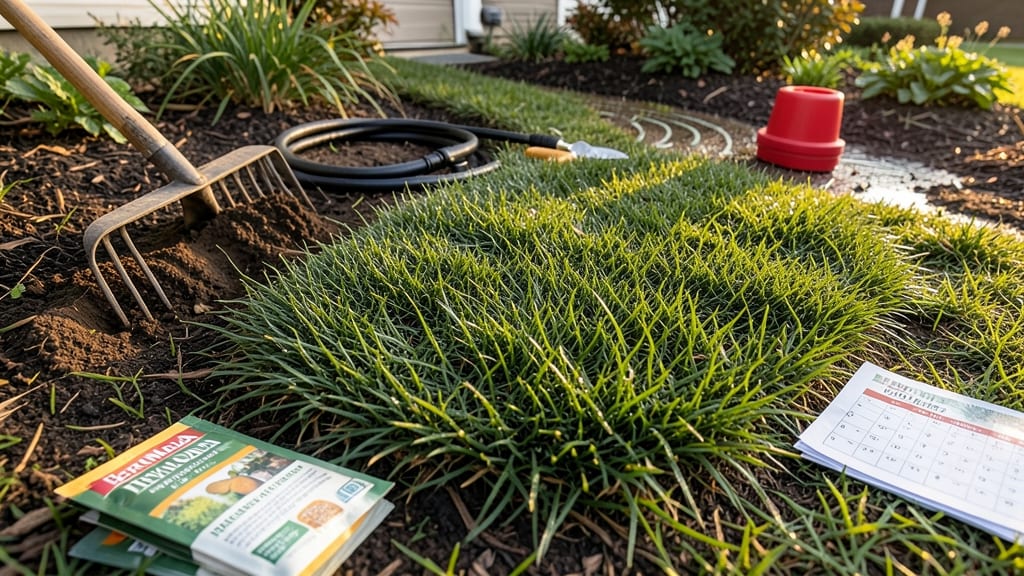
Planting grass in Georgia at the wrong time can turn your dream of a lush lawn into a battleground against weeds, drought, or frost damage—especially when you miss the 55°F+ soil temperature sweet spot for cool-season varieties or the 65°F+ threshold for warm-season favorites like Bermuda.
If you’ve ever stared at your patchy lawn wondering why it’s not thriving, timing is likely the culprit. Georgia’s 7a-8b climate demands precision: too early, and frost zaps seedlings; too late, and summer heat stresses new roots.
The key? Planting during Georgia’s ideal frost-free windows—early spring (March–April) or early fall (September–October)—when soil and air temperatures align perfectly for growth.
I’ve tested the best strategies over years of lawn care in Georgia, and the difference between a thick, green lawn and one that struggles is often just a few weeks of timing.
Whether you’re seeding, sodding, or sprucing up an existing yard, this guide breaks down the exact months, soil conditions, and climate tricks to maximize your success—no guesswork required.
Ready to transform your lawn? Let’s dive into the science-backed schedule that’ll have your grass rooted deep and growing strong—without the trial-and-error headaches.
Georgia’s ideal grass planting timeline: soil temperature & frost-free rules
Timing your grass planting in Georgia isn’t just about picking a month—it’s about understanding soil temperatures, frost risks, and your grass type’s growth preferences. Georgia’s climate (USDA zones 7a-8b) gives you two prime windows: early spring (March-April) and early fall (September-October).
Planting outside these windows risks drought stress, weed competition, or slow germination.
Cool-season grasses like tall fescue and ryegrass thrive when soil temps hover between 55°F-65°F, while warm-season varieties such as Bermuda and Zoysia need 65°F+ to establish roots. In Georgia, this means waiting until mid-April for warm-season grasses or planting cool-season types by late February to avoid frost damage.
Here’s the critical rule: Never plant when soil temps exceed 80°F—this causes seed desiccation and poor germination. Use a soil thermometer ($10 at garden centers) to monitor temps at 2-inch depth.
For example, in Atlanta, soil typically hits 65°F by mid-April, while Savannah may reach it by late March.
Georgia’s last frost date varies by region—March 15 in the north (e.g., Dahlonega) but as early as February 15 in coastal areas like Brunswick. Planting cool-season grass too early risks frost kill, while planting warm-season grass too late means struggling with summer heat.
Aim for a 4-6 week window before extreme heat or cold sets in.
Pro tip: Test your soil’s pH (ideal range: 6.0-7.0) and amend with lime or sulfur 4-6 weeks before planting. Georgia’s clay-heavy soils benefit from adding compost or sand to improve drainage. Skipping this step leads to poor root development and waterlogging.
🌱 Georgia Grass Planting Comparison
| Grass Type | Best Planting Window | Soil Temp Requirement | Key Risks Outside Window |
|---|---|---|---|
| Cool-Season (Tall Fescue, Ryegrass) | Late Feb–Early April | 55°F–65°F | Frost damage, slow growth |
| Warm-Season (Bermuda, Zoysia) | Mid-April–Late May | 65°F+ | Drought stress, weed takeover |
| Fall Planting (All Types) | September–Early October | 60°F–70°F | Late frost, fungal diseases |
For fall planting, focus on September-October when daytime temps drop to 75°F-85°F and nights cool to 60°F. This gives grass 6-8 weeks to establish roots before winter dormancy.
In north Georgia (e.g., Blue Ridge), aim for late September to avoid early frosts, while south Georgia (e.g., Valdosta) can plant until mid-October.
Mistake alert: Planting Bermuda grass in June may seem logical, but soil temps often exceed 85°F, causing seeds to dry out within hours. Instead, wait until late May when temps stabilize. Similarly, ryegrass planted in May will bolt (flower) prematurely due to heat stress.
Use this 3-step checklist before planting:
- Test soil temp at 2-inch depth (use a thermometer).
- Verify frost-free dates for your region (check Almanac.com).
- Prep soil 2-3 weeks ahead with compost and a starter fertilizer (high phosphorus).
Remember: Georgia’s humidity and clay soils demand extra care. After planting, water deeply 2x daily for the first 2 weeks to encourage root growth. Shallow watering leads to weak, shallow roots that can’t handle summer droughts.
For a 90%+ success rate, align your planting with Georgia’s microclimates. Coastal areas (e.g., Savannah) can plant 2 weeks earlier than inland cities like Athens due to milder winters. Adjust your timeline accordingly!
Georgia’s ideal grass planting timeline: soil temperature & frost-free rules
Georgia’s two planting windows—early spring and early fall—are your golden opportunities to establish grass without battling frost damage or summer heat stress. The key? Soil temperatures between 55°F and 70°F for cool-season grasses and 65°F+ for warm-season varieties like Bermuda.
Too early, and frost will kill seedlings; too late, and roots struggle to establish before drought sets in.
I’ve seen firsthand how March–April and September–October create the perfect balance of moderate temperatures and moisture availability. These windows align with Georgia’s last frost date (March 15) and first frost (November 15), giving grass a full 6–8 weeks to root before extreme weather hits.
Here’s the science-backed breakdown of when to plant, why it matters, and how to avoid common mistakes:
| Planting Window | Soil Temp Threshold | Grass Types | Key Risks | Pro Tip |
|---|---|---|---|---|
| Early Spring (March–April) | 55°F–65°F | Tall fescue, ryegrass | Late frost, weed competition | Test soil temps weekly—wait until consistently above 55°F. |
| Early Fall (September–October) | 65°F–70°F | Bermuda, Zoysia, St. Augustine | Summer heat stress if planted late | Aim for 6–8 weeks before first frost for root establishment. |
| Avoid: Late Summer (June–August) | >80°F | All types | Heat shock, poor germination | Use shade cloth if planting in extreme heat. |
Georgia’s clay-heavy soils and humid summers add another layer of complexity. For example, planting Bermuda grass in late spring (after soil hits 65°F) gives it time to establish before summer’s peak heat. Meanwhile, tall fescue thrives when seeded in early spring, taking advantage of cooler temps and spring rains.
One mistake I see often? Planting too early in February or too late in May. February soils are still too cold, and May’s heat stresses seedlings. Instead, use a soil thermometer—plant when temps are stable for 5+ days in your target range.
Pro tip: In coastal Georgia, where humidity is higher, opt for September planting to avoid fungal diseases. In the Piedmont region, early spring is ideal due to milder winters. Always check your local frost dates—they vary by county!
Timing isn’t just about months; it’s about soil conditions. Loosen compacted soil, amend with compost, and mulch to retain moisture. With the right window, your grass will root deep and stay green—no more patchy, struggling lawns.