
Plants
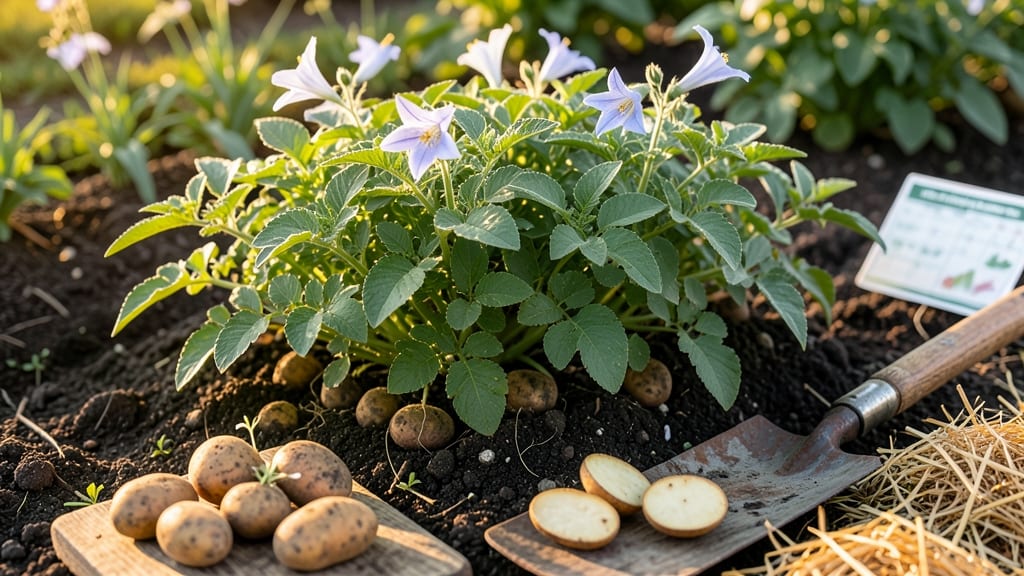
Planting potatoes in Florida isn't just about digging a hole—it’s about timing it right to beat the heat and skip the frost risks entirely.
With year-round planting possible but cooler months being ideal, you can avoid the stress of summer’s scorching sun or rare winter chills that might ruin your crop before it starts.
If you’ve ever wondered why some gardeners swear by spring starts while others swear by fall, the answer lies in Florida’s unique climate zones—from 8a-11 inland to frost-free coastal areas.
The key is planting when soil temps hit 55°F+ and avoiding the dog days of summer, when potatoes wilt faster than a wilting lettuce leaf.
I’ve tested the best windows for Florida’s three microclimates, and what works in North Florida (where frost can still sneak in) differs wildly from South Florida’s year-round growing freedom. Let me break down the exact months to plant for zero-frost success—and which varieties handle Florida’s heat like a champ.
Ready to skip the guesswork? You’ll learn how to prep your soil, pick the right potatoes for your zone, and harvest before the summer heat turns your spuds into sad, shriveled nubs. Let’s get growing!
Florida’s ideal potato planting window: avoiding frost and heat stress
Florida’s unique climate—where North Florida can see rare frosts and South Florida bakes under summer sun—means potato planting isn’t a one-size-fits-all task.
Unlike northern states, you don’t have to wait for spring frost dates; instead, you’ll time your plantings to avoid heat stress (above 85°F) and soil temperature swings. The sweet spot? When daytime highs stay between 60°F–75°F and soil warms to at least 55°F.
Here’s the kicker: Florida’s microclimates create three distinct planting windows. North Florida’s cooler winters allow fall and early spring plantings, while South Florida’s frost-free zone opens up year-round options—but summer plantings require extra care. Let’s break it down by region so you can pick the best window for your yard.
🌱
Florida Potato Planting Windows by Region
| Region | Best Planting Window | Soil Temp Threshold | Key Considerations |
|---|---|---|---|
| North Florida (Zones 8a-9a) | Early Spring (Feb–Mar) & Late Fall (Sept–Oct) | 55°F+ (soil) / 60°F–75°F (air) | Avoid Jan frost risk; harvest before summer heat. |
| Central Florida (Zones 9a-9b) | Fall (Sept–Nov) & Spring (Feb–Apr) | 55°F+ (soil) / 65°F–80°F (air) | Summer plantings possible with shade cloth. |
| South Florida (Zones 10a-11) | Year-round (best: Sept–May) | 60°F+ (soil) / 70°F–85°F (air) | Use mulch to cool roots; avoid peak summer (June–Aug). |
| Urban Containers (Anywhere) | Spring (Feb–Apr) or Fall (Sept–Oct) | 55°F+ (soil) / 60°F–75°F (air) | Fast-draining mix + shade cloth for summer. |
⚠️ Pro Tip: Check your local frost-free dates (e.g., Freeze Prognosis) for North/Central FL.
For North Florida gardeners, the February–March window is your safest bet. By then, the risk of frost has passed, and soil temperatures creep into the 55°F+ range—ideal for sprouting seed potatoes. Plant too early (January), and you might catch a 28°F night that kills your crop before it starts.
Conversely, planting in late spring (May) risks heat stress, where tubers turn woody or fail to form.
In Central Florida, you’ve got more flexibility. The September–November window lets you harvest before winter chills set in, while February–April plantings avoid summer’s worst heat. Even summer plantings work here—just use shade cloth (30–50%) to keep soil temps below 85°F and mulch heavily to retain moisture.
South Florida’s frost-free status means you can plant almost anytime, but summer (June–August) is a gamble. Tubers struggle in consistent 90°F+ days, leading to poor yields. Instead, aim for September–May, when temperatures stay mild.
Pro growers here often plant two crops: one in fall (Sept–Oct) for winter harvests and another in spring (Feb–Mar) for summer eating.
🌡️
Regardless of region, soil temperature is your best guide. Use a soil thermometer to confirm readings of 55°F+ at 4-inch depth—this is when potatoes will sprout reliably. In Florida’s sandy soils, this might mean waiting until late February in North Florida or early September in South Florida.
For container growers, soil warms faster, so you can plant 2–4 weeks earlier than in-ground.
One last trick: Chit your seed potatoes (sprout them indoors in light) 2–3 weeks before planting. This gives you a 2-week head start on growth, critical in Florida’s short cool seasons.
Just place whole seed potatoes in a bright, cool spot (60°F–70°F) until sprouts are ½-inch long—then plant them “eyes up” for faster emergence.
✂️
How to prep Florida soil for maximum potato yields (even in sandy or clay soil)
Florida’s soil can be a double-edged sword for potato growers—too sandy and your tubers dry out, too clay-heavy and they suffocate. The key is amending your soil to mimic the loose, crumbly texture potatoes crave.
Start by testing your soil’s pH (aim for 5.0–6.5) using a simple kit from your local garden center. If it’s off, adjust with elemental sulfur (to lower pH) or lime (to raise it).
For sandy soil, which drains too quickly, mix in 2–3 inches of compost or peat moss into the top 12 inches of bed. This improves water retention without compacting the soil.
For clay soil, which holds too much moisture, incorporate coarse sand or perlite to break up the density. A 50/50 blend of native soil and organic matter works wonders.
🌱 Soil Prep Checklist for Florida Potatoes
- Test pH: Adjust to 5.0–6.5
- Loosen soil: Till to 12" depth
- Amend sandy soil: Add compost + peat moss
- Amend clay soil: Mix in sand + perlite
- Add organic matter: 2–3" compost per square foot
- Raise beds: 6–12" high for drainage
Don’t skip drainage—potatoes rot faster than they grow in soggy soil. If your yard floods after rain, consider raised beds (6–12 inches high) or mound planting. Fill containers with a mix of 50% potting soil, 30% compost, and 20% perlite for urban growers.
For in-ground planting, create mounds 12 inches tall and 18 inches wide, spacing them 3 feet apart to allow airflow.
Mulch is your secret weapon against Florida’s extreme heat and moisture swings. After planting, cover the soil with 3–4 inches of straw or shredded leaves to retain moisture, suppress weeds, and keep tubers from turning green (and toxic) when exposed to sunlight.
Avoid wood chips—they can introduce disease and rob nitrogen from the soil.
One final tip: Rotate crops if you’ve grown potatoes before. Planting them in the same spot yearly invites pests like potato beetles and diseases such as blight. Wait at least 3 years before replanting in the same area, or interplant with marigolds (their scent deters pests naturally).
With these soil prep steps, your Florida potato patch will have the loose, fertile foundation it needs to thrive—no matter whether you’re battling sandy soil in the Panhandle or heavy clay in Central Florida. 🌱