
Plants
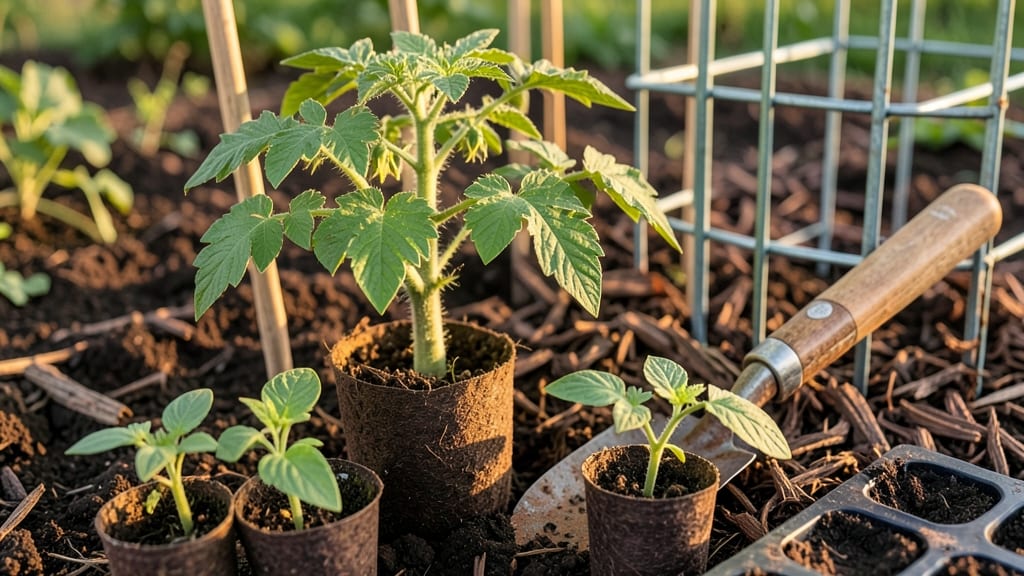
Planting tomatoes in Virginia at the wrong time can turn your 🍅 dreams into a sad, wilted pile of disappointment—unless you know the exact moment to start.
The best time isn’t just about counting days after the last frost; it’s about soil temperature, regional microclimates, and even the variety you’re growing.
Most Virginia gardeners wait until late April or early June, but that’s not a one-size-fits-all answer. In USDA Zones 7a-8b, soil needs to hit at least 60°F for seeds to germinate properly, and nighttime temps should stay above 50°F to keep young plants thriving.
Get it wrong, and you’ll face frost damage, stunted growth, or even disease—all risks I’ve seen firsthand in my own garden.
Here’s what you’ll discover: the precise planting windows for your part of Virginia, how to test soil temperature like a pro, and why some varieties (like heat-loving Sungolds) need a later start than others.
Plus, I’ll share my top tricks for adjusting timing based on whether you’re in the Piedmont’s hotter valleys or the Coastal Plain’s slower-to-warm soils.
Ready to avoid the common mistakes that waste time and money? Let’s dive into the exact steps to time your tomato planting perfectly—so you can enjoy a harvest from June to October instead of a season of frustration.
Virginia’s ideal tomato planting timeline by soil temperature (not just dates!)
Forget just memorizing frost dates—soil temperature is the real game-changer when planting tomatoes in Virginia. Seeds need 50-60°F soil to germinate, while transplants thrive best in 65°F+ soil. My garden’s best years came when I waited for these temperatures, not just calendar dates.
In USDA Zones 7a-8b, this typically means late April to early June, but your exact timing depends on where you live in the state.
Virginia’s climate varies wildly from the Piedmont’s warmer valleys to the Coastal Plain’s slower-to-warm soils. For example, Richmond often hits ideal soil temps by early May, while Norfolk may need to wait until mid-May.
Even Roanoke’s higher elevations can lag behind by a week or more. The key is testing your soil—not guessing.
To test your soil temperature, use a soil thermometer (they’re cheap and save you from guesswork). Stick it 2-3 inches deep in your garden bed in the morning. If it reads below 50°F, wait—cold soil delays germination and invites damping-off disease.
I’ve seen seedlings rot in just days when planted too early. Pro tip: If your soil is still cold, try black plastic mulch a week before planting to warm it faster.
Another critical factor is nighttime temperatures. Tomatoes hate cold snaps, especially when young. Aim for nights staying above 50°F.
In my Roanoke garden, I’ve lost entire seedlings to overnight dips into the 40s. Check your local Virginia Cooperative Extension frost charts for your specific area—they’re free and updated annually.
For direct-sown seeds, wait until soil hits 60°F consistently. If you’re using transplants, you can plant slightly earlier (when soil is 55°F), but protect them with row covers if frost threatens.
I always plant my Celebrity tomatoes as transplants in early May, then remove covers once temps stabilize.
One mistake I see often? Planting based on calendar dates instead of conditions. Last year, a neighbor planted in early April because "that’s what her grandma did." Her seedlings died when a late frost hit.
The lesson? Soil temperature > tradition. Use a 30-day forecast to predict stable warmth, but always verify with your thermometer.
If you’re in Zone 7a (northern VA), err on the side of planting later—those early April warm spells can fool you. In Zone 8b (southern VA), you might get away with starting in late March under row covers, but watch for humidity-related diseases
How to adjust planting time for Virginia’s microclimates and tomato varieties
Virginia’s diverse climate means what works in Richmond’s Piedmont may fail in Norfolk’s Coastal Plain. Heat-loving varieties like ‘Sungold’ cherry tomatoes need warmer soils, while early producers like ‘Celebrity’ tolerate cooler starts.
Adjust your timing based on your microclimate and the variety you’re growing—this is how I’ve fine-tuned my own plantings over the years.
In the Piedmont region (e.g., Charlottesville, Lynchburg), soils warm faster, allowing early starts. Aim for late April to early May for most varieties, but delay heat-sensitive types until mid-May. The Coastal Plain (e.g., Virginia Beach, Hampton) stays cooler longer—wait until mid-May to early June to avoid frost risks.
For container gardening, soil heats up quicker, so you can plant 2-3 weeks earlier than in-ground. Use a soil thermometer to confirm temps hit 60°F+ before transplanting. Black pots absorb heat faster than terracotta, giving you a slight edge in cooler zones.
Extend your season with row covers or cold frames to plant 4-6 weeks earlier in spring or 2-3 weeks later in fall. I’ve used floating row covers to protect seedlings from late frosts in Roanoke’s Zone 7a, pushing my first harvests forward by weeks.
Choose determinate varieties (like ‘Roma’) for cooler areas—they ripen faster in shorter seasons. Indeterminate types (like ‘Better Boy’) thrive in hotter Piedmont summers but need longer growing seasons. Match your variety to your region’s frost-free window (typically 165 days in Virginia).
Watch for heat waves in May—soil temps can spike to 80°F+, shocking young plants. Mulch with straw to regulate temps and keep roots cool. In my garden, I’ve seen seedlings bolt prematurely when exposed to sudden heat, so I always monitor forecasts.
Pro tip: Use Virginia Cooperative Extension’s frost maps to pinpoint your local last-frost date. I’ve found actual frost dates can vary by 1-2 weeks from averages—always have row covers ready just in case. For container gardeners, move pots to warmer microclimates (like near a south-facing wall) to accelerate growth.