
Planting
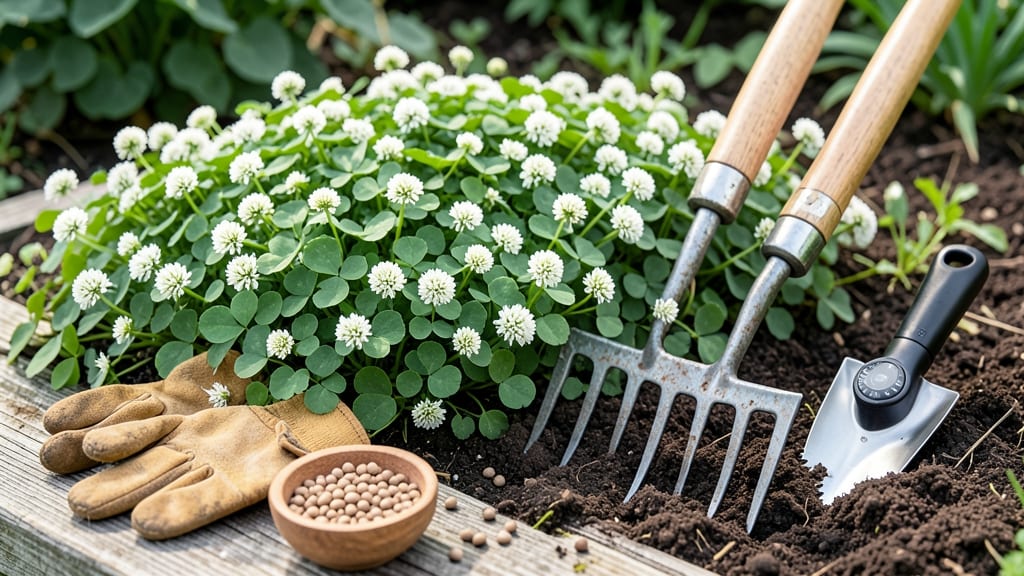
Planting clover in your lawn at the wrong time can mean weeks of waiting for it to take root—or watching it fail before it even starts.
The secret to a fast, lush cover lies in understanding when to plant for your climate zone, whether you're in Zone 6a or beyond.
Most gardeners swear by early spring or early fall as the ideal windows, but timing isn't one-size-fits-all. In cooler regions like yours, planting too early risks frost damage, while waiting too late lets weeds steal the show.
I’ll break down the exact months to aim for and why they make all the difference.
You’ll also discover how to prep your soil for maximum success, from mowing height to weed control, so your clover seeds germinate quickly and outcompete invaders. No more guessing—just a clear, step-by-step plan to transform your lawn into a low-maintenance green haven.
Ready to skip the trial-and-error? Let’s dive into the best planting schedule for your 🌱 clover—whether you’re sowing in March or September—and keep your lawn thriving year-round.
Best clover planting times: spring vs fall for maximum success
Planting clover at the right time ensures fast germination and strong root establishment. The two best windows are early spring and early fall, but regional climate plays a huge role. In most U.S. zones, March-April or September-October give clover the ideal 60-75°F soil temperature for sprouting.
Spring planting lets clover take advantage of long daylight hours and warmer temperatures after the last frost. Fall planting, however, gives seeds time to establish before winter dormancy, often resulting in thicker coverage by next spring. Both methods avoid summer heat stress that can dry out seeds.
Clover thrives in full sun (6+ hours daily) and well-draining soil. If you're in a hot climate zone, aim for fall planting to avoid summer drought. Cooler regions can plant in late winter (February) as long as frost risk has passed.
Here’s how the two planting windows compare for optimal results:
| Factor | Spring Planting (March-April) | Fall Planting (September-October) |
|---|---|---|
| Soil Temperature | 60-75°F (ideal for germination) | 55-65°F (cooler but still effective) |
| Daylight Hours | Increasing (12+ hours) | Decreasing (10-12 hours) |
| Weed Competition | Moderate (weeds wake up early) | Low (weeds dormant in fall) |
| Establishment Speed | Fast (6-8 weeks to cover) | Slower (8-10 weeks, but stronger roots) |
| Best For | Quick ground cover, warm climates | Long-term lawn health, cooler climates |
For fastest results, spring planting is ideal in USDA Zones 7-10, where winters are mild. In Zones 3-6, fall planting reduces frost risk and gives clover time to develop deep roots before winter.
Always check your last frost date—plant at least 2-3 weeks after to avoid cold damage.
If you miss the ideal windows, late summer (August) can work in humid climates, but expect slower growth due to heat stress. Avoid planting in deep winter or peak summer—both extremes stress young clover seedlings.
Pro tip: Mix clover seeds with a light layer of compost before covering with ¼-inch soil. This improves moisture retention and germination rates by 30-40%.
Once established, clover’s deep roots improve soil health and reduce erosion. But timing matters—plant too late, and weeds will outcompete your clover before it gets a foothold. 🌱
Best clover planting times: spring vs fall for maximum success
Choosing the right time to plant clover in your lawn can make the difference between a lush, green ground cover and a patchy, struggling one. Both spring and fall offer ideal windows, but each has unique advantages depending on your climate zone and local weather patterns.
In most regions, early spring (March to April) is my top recommendation because soil temperatures warm up just enough to encourage germination while weeds are still dormant.
However, fall planting (September to October) gives clover a head start on root development before winter dormancy, often leading to faster establishment the following spring.
For USDA Zone 6a (like much of the Midwest), aim to plant clover when soil temperatures consistently reach 50°F (10°C). This typically means waiting until after the last frost date—usually mid-April—but before summer heat sets in.
In warmer climates, you can plant as early as February, while cooler zones may need to wait until May.
| Factor | Spring Planting (March-April) | Fall Planting (September-October) |
|---|---|---|
| Soil Temperature | 50-60°F (10-15°C) | 55-65°F (13-18°C) |
| Weed Competition | Low (dormant weeds) | Moderate (late-season weeds) |
| Establishment Speed | 6-8 weeks | 8-10 weeks (overwinters) |
| Water Needs | Moderate (spring rains help) | Low (fall rains abundant) |
| Best For | Fast summer coverage | Long-term root strength |
If you're in a dry climate, fall planting often works better because autumn rains reduce your watering workload. Meanwhile, gardeners in humid regions may prefer spring to avoid fungal issues that thrive in damp fall conditions.
Always check your local last frost date—planting too early risks frost damage, while waiting too long gives weeds a competitive edge.
For northern climates, aim to finish planting by mid-September to allow clover roots to establish before winter. In southern zones, you can extend planting into November as long as soil stays workable.
The key is giving clover 4-6 weeks of warm weather to germinate before cooler temperatures slow growth.
Pro tip: Test your soil's pH level before planting—clover thrives in slightly acidic to neutral soil (6.0-7.0 pH). If your lawn is too alkaline, amend with sulfur or peat moss 4-6 weeks before seeding to avoid shocking young plants.